
Blue Origin Blames Oxygen Valve for New Glenn Blast, Raising Concerns for ULA’s Vulcan
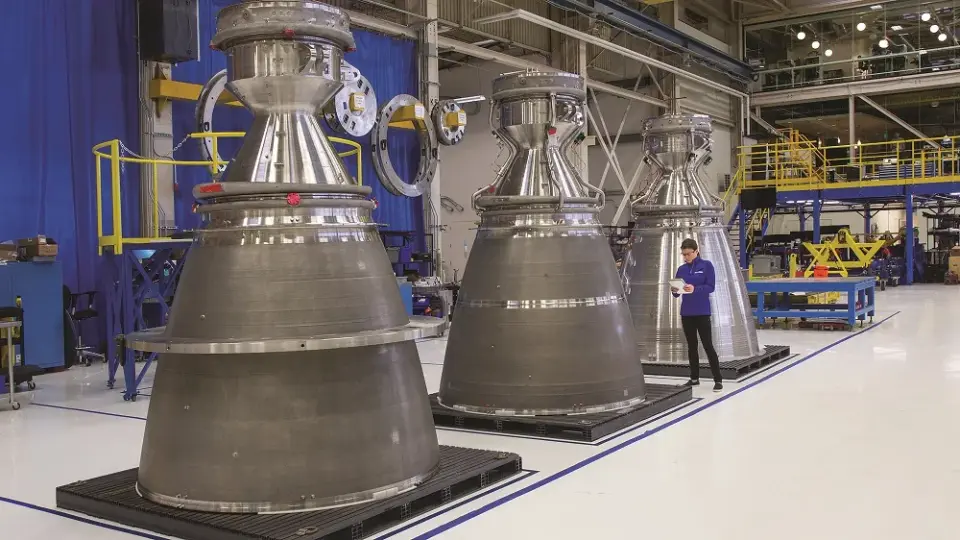
Blue Origin CEO Dave Limp confirmed on August 5 that a faulty liquid oxygen valve in a BE-4 engine caused the May 28 explosion of the New Glenn rocket at Cape Canaveral. The company is manufacturing updated hardware to be ready by late August, aiming to return to flight by year’s end. The shared engine design raises concerns for United Launch Alliance’s Vulcan rocket, which has already faced a separate anomaly.
Key points
- The May 28 static-fire test explosion destroyed the New Glenn rocket and severely damaged Launch Complex 36.
- The failure was traced to a main oxygen valve on one of the seven BE-4 engines in the first stage.
- Updated valve hardware is being manufactured and will be ready by the end of August 2026.
- The BE-4 engine is also used in the first stage of United Launch Alliance’s Vulcan Centaur rocket.
- Vulcan has not flown since February due to an unrelated solid rocket booster anomaly.
Background
The May 28 explosion was the largest recorded in Cape Canaveral’s history, with a shockwave detected 135 miles away. Prior to the blast, New Glenn had completed three flights since its January 2025 debut, including an April 2026 mission that failed to properly deploy a payload. The explosion delayed Blue Origin’s plans for the Mark 2 lunar lander, which is intended for NASA’s Artemis III mission. Earlier reports in June suggested that returning to flight might slip past year-end, complicating NASA’s Artemis timeline.
How outlets are covering it
SpaceNews and Space.com emphasized the technical root cause and the shared engine risk for ULA’s Vulcan. Florida Today highlighted the explosion’s massive scale and Blue Origin’s pressure to meet NASA’s Artemis III deadlines. WESH focused on the local impact on Florida’s Space Coast and the company’s partnership with NASA for upper-stage testing in Mississippi. All outlets agreed on the valve cause but differed in emphasis: SpaceNews and Space.com stressed the cross-impact on ULA, while Florida Today and WESH focused on local and NASA-related implications.
Why it matters
The BE-4 engine is a critical component for both Blue Origin’s New Glenn and ULA’s Vulcan Centaur. A shared failure mode could delay multiple launch programs, including NASA’s Artemis III mission and commercial satellite launches. The timely resolution of the valve issue is essential for Blue Origin to meet its year-end return-to-flight goal and maintain its role in NASA’s lunar program.
What to watch
Blue Origin expects updated valve hardware to be ready by the end of August 2026. The company is continuing fault tree analysis and aims to return New Glenn to flight by year’s end. ULA has not announced a return-to-flight date for Vulcan, which has been grounded since February due to a separate solid rocket booster issue. Northrop Grumman expects to deliver redesigned booster motors by the end of 2026.
- New Glenn explosion linked to rocket engine valve SpaceNews
- Blue Origin reveals cause of Cape Canaveral rocket explosion Florida Today
- Blue Origin traces origin of huge New Glenn rocket explosion to oxygen valve, CEO says Space
- Blue Origin CEO says faulty valve caused massive explosion in Florida WESH
- Blue Origin zeroes in on rocket engine issue as source of New Glenn explosion Reuters
Want the full story? Read the original reporting
Read on SpaceNews