
NASA’s Houston Training Hub Adapts as Commercial Stations Loom
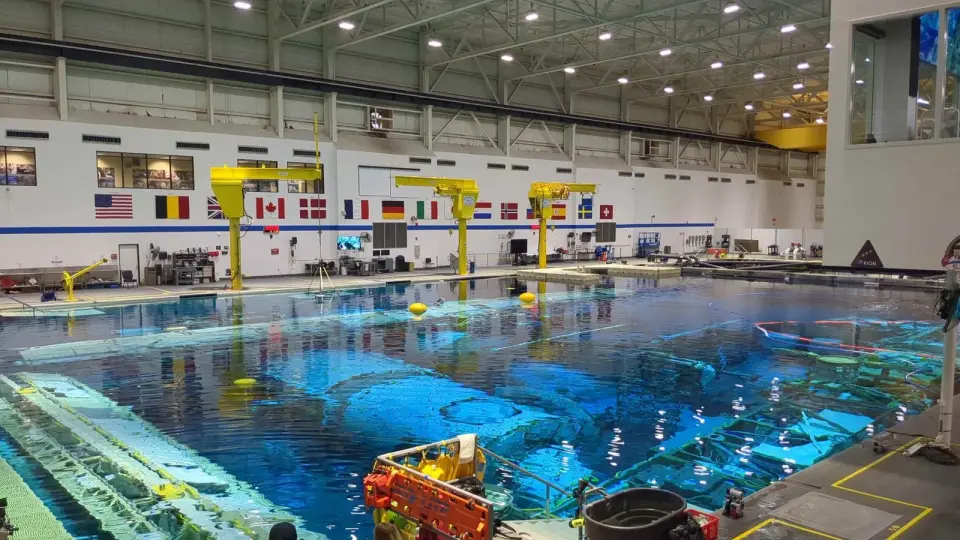
NASA’s Johnson Space Center in Houston is evolving its astronaut training infrastructure to accommodate the transition from the International Space Station (ISS) to commercial space stations. As the ISS is expected to end operations around 2030, the agency is integrating private sector contractors and personnel into its training programs. This shift aims to prepare astronauts for the next generation of orbital habitats while maintaining current ISS operations, which include addressing a long-standing leak on the Russian segment.
Key points
- NASA’s Johnson Space Center (JSC) is currently a collaborative hub involving government agencies, private companies, and contractors to train astronauts for both the ISS and future commercial stations.
- The ISS is targeted for end-of-operations around 2030, though Congress has requested an extension of at least two years, and NASA is prepared to extend its lifetime if directed.
- A persistent leak on the Russian side of the ISS has been addressed by Roscosmos sealing off the affected area, with NASA stating major systems remain in good health.
- SpaceX Crew-13, launching no earlier than September 12, 2026, includes NASA commander Jessica Watkins, pilot Luke Delaney, Canadian astronaut Josh Kutryk, and Roscosmos specialist Teteryatnikov.
- The transition to commercial space stations is already influencing training protocols, blending traditional government oversight with private industry workflows.
Background
This development follows recent shifts in NASA’s astronaut corps, including the retirement of veteran Mike Fincke after 549 days in space, who may continue flying via commercial sectors. Additionally, recent ISS missions have focused on extending the station’s life, such as Anil Menon’s spacewalk to install new solar arrays, and the return of Expedition 74 crew members after 241 days in orbit. These events highlight the ongoing efforts to maintain the ISS while preparing for its eventual replacement by commercial partners.
Why it matters
The integration of commercial entities into NASA’s training infrastructure signals a fundamental shift in how human spaceflight is prepared and executed. As the ISS approaches its end-of-life, the ability to train astronauts for diverse commercial platforms ensures continuity in U.S. and international spaceflight capabilities. This transition also reflects the growing reliance on private industry for orbital infrastructure, reducing government costs while expanding access to space.
What to watch
NASA will continue to monitor the ISS’s health, particularly the sealed Russian segment, while preparing for the Crew-13 launch. The agency is expected to finalize training protocols for commercial space stations as the 2030 end-of-operations date approaches, potentially extending the ISS’s life if Congress mandates. Future missions will increasingly involve mixed government-private crews, setting the stage for the next era of human spaceflight.
Want the full story? Read the original reporting
Read on Space