
Googlebook Launch Reveals Intel Compatibility Gaps for Android Apps
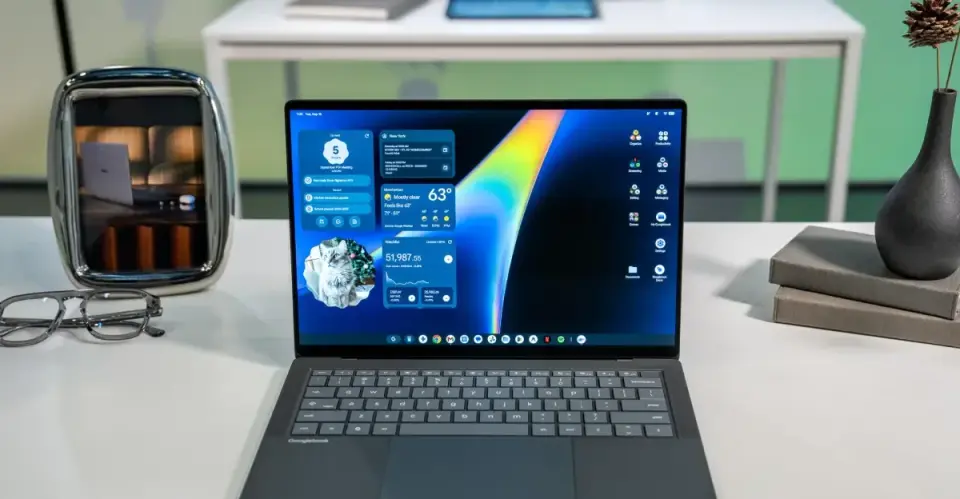
Googlebook laptops launched in Europe on October 5, 2026, but Google admitted that Intel-based models may struggle with certain Android apps. While the full Play Store is accessible, a 'small handful' of complex applications require developer tuning to run optimally on x86 hardware, unlike the Arm-based models which run natively.
Key points
- Googlebook laptops from Acer, Asus, Lenovo, Dell, and HP went on sale in the UK, Ireland, France, and Germany on October 5, 2026.
- Three models (Acer, Asus, Lenovo) use Intel x86 chips, while two (Dell, HP) use Qualcomm Arm Snapdragon processors.
- Google confirmed that while most apps run smoothly, some complex apps and games need 'developer tuning' to perform well on Intel hardware.
- The Intel models rely on a hardware translation layer to run Arm-designed Android code, which can impact performance and battery life.
- Google did not disclose specific apps affected or the extent of the performance issues, stating it is working with developers and chipmakers to optimize compatibility.
Background
Googlebook was introduced as a successor to Chromebooks, designed to run Android natively rather than through containers. Previous leaks in September 2026 highlighted features like the 'Look Up' contextual search tool, which was expected to be locked to Googlebook hardware. The platform aims to bridge the gap between Android devices and laptops, with ChromeOS support scheduled to wind down by 2034.
How outlets are covering it
The Verge and Engadget both reported Google's admission that Intel-based Googlebooks may have compatibility issues, citing a statement to Android Authority. The Next Web emphasized that this contradicts earlier claims that Googlebook would remove compatibility limits by running Android natively, noting that the Intel models still rely on a translation layer similar to Chromebooks. All sources agree that no specific apps were named, and that testing is ongoing to determine the real-world impact on performance and battery life.
Why it matters
This admission highlights a potential friction point for consumers choosing between Intel and Arm-based Googlebooks, as the Arm models offer native compatibility while the Intel models may require additional optimization for certain apps. It also underscores the challenges of transitioning from Arm to x86 architectures in the Android ecosystem.
What to watch
The Verge and Engadget plan to test all five Googlebook models to identify specific compatibility issues. Google is expected to continue working with developers and chipmakers to improve performance on Intel platforms. Consumers in Europe can currently purchase the laptops starting at $899 or £999, with specifications varying by country.
- Google admits not every Android app runs great on Intel Googlebooks theverge.com
- Google says some Googlebooks have better Android app support than others, and here's why Android Authority
- Google says some Android apps need developer tuning on Intel Googlebooks The Next Web
- Google Admits Some 'Complex' Android Apps Run Poorly On Intel Googlebooks Engadget
- Some Android Apps May Lag on Intel Googlebooks, Google Says Northeast Times
Want the full story? Read the original reporting
Read on theverge.com