Tag

Perigee

All articles tagged with #perigee

Beaver Supermoon Peaks Nov. 24, Launching Four-Month Lunar Streak
space2 days ago

Beaver Supermoon Peaks Nov. 24, Launching Four-Month Lunar Streak

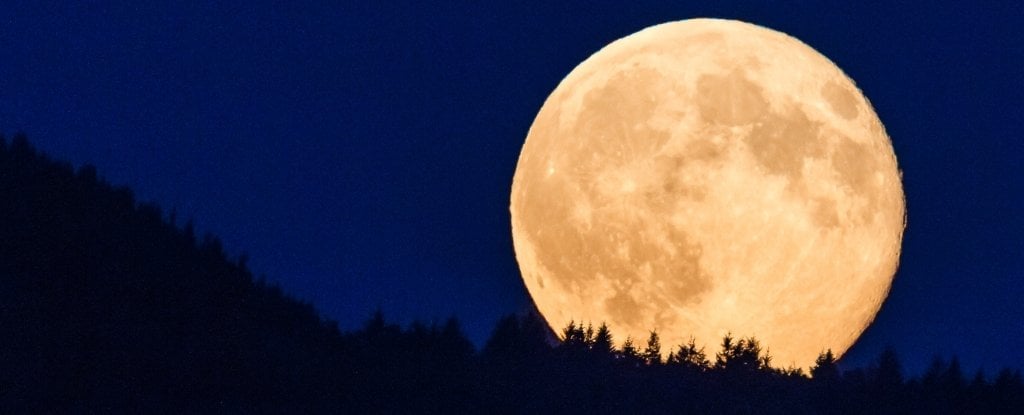
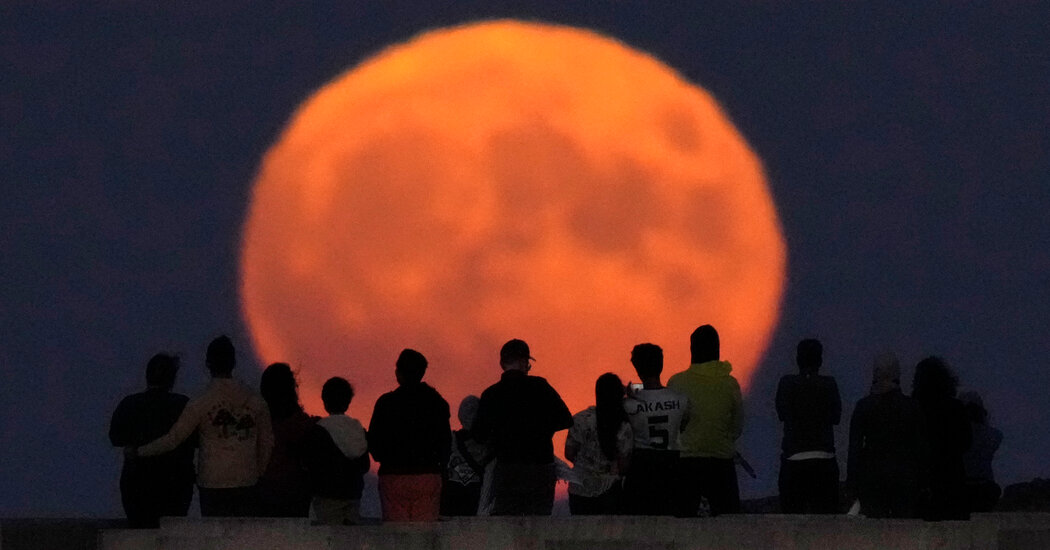
The November full moon, known as the Beaver Moon, reached peak illumination on Nov. 24, 2026, creating a supermoon visible globally. This event marks the start of a four-month sequence of supermoons, with the next occurring on Dec. 23. The moon appeared approximately 17% larger and 30% brighter than the year's smallest full moon due to its proximity to Earth.
Beaver Supermoon Peaks Nov. 24, Kicking Off Four-Month Lunar Streak
science2 days ago

Beaver Supermoon Peaks Nov. 24, Kicking Off Four-Month Lunar Streak

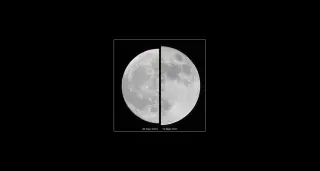
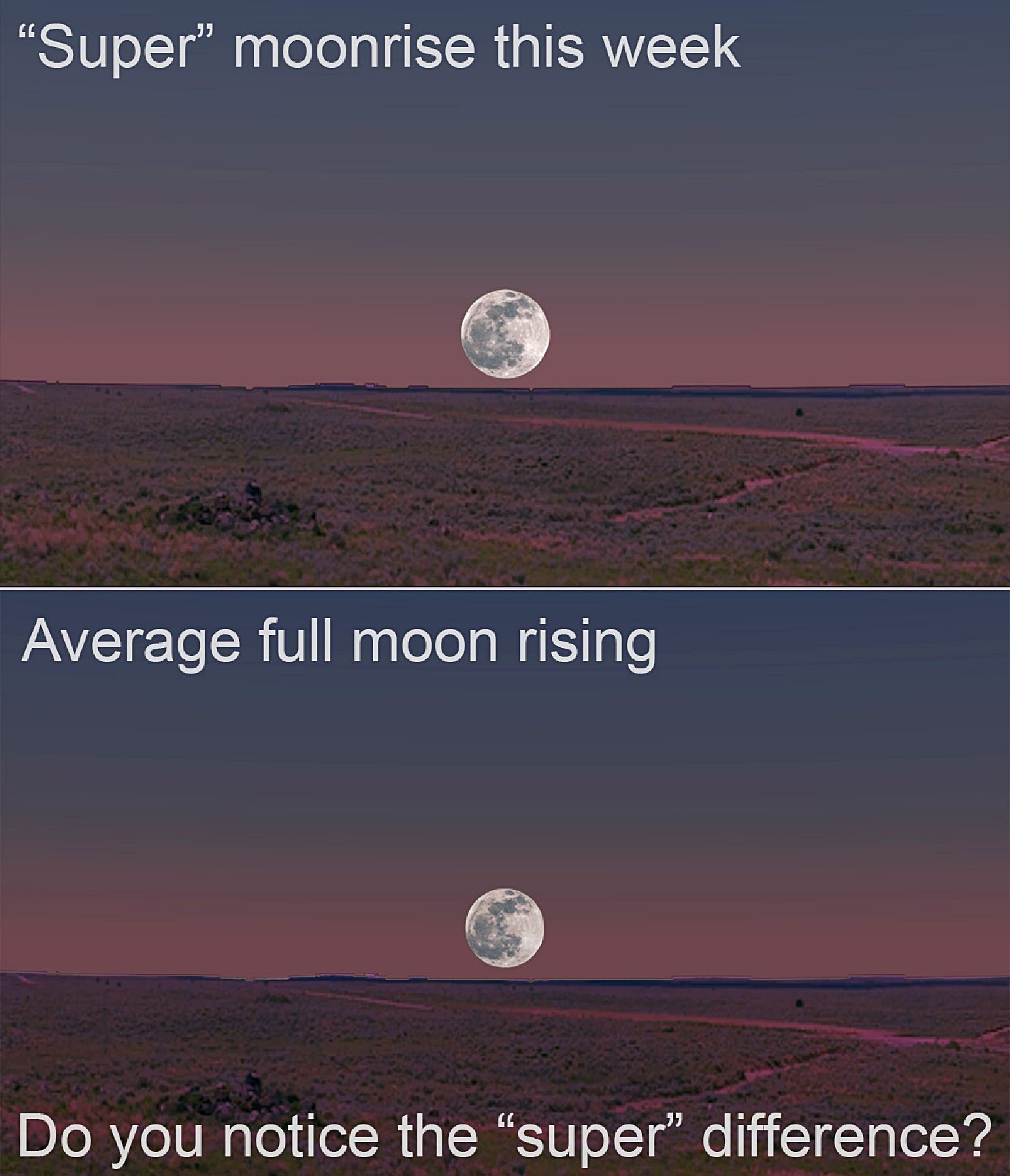
The November full moon, known as the Beaver Moon, reached peak illumination on Nov. 24, 2026, at 9:53 a.m. EST. This event marks the first of four consecutive supermoons, occurring when the moon is near perigee, its closest point to Earth. While the visual difference is subtle, the moon appears up to 14% larger and 30% brighter than a micromoon. Viewers should look east after sunset for the best view, as the peak occurs during daylight hours in the U.S.

Beaver Moon Peaks Nov. 24 as First of Three Consecutive Supermoons
astronomy3 days ago

Beaver Moon Peaks Nov. 24 as First of Three Consecutive Supermoons

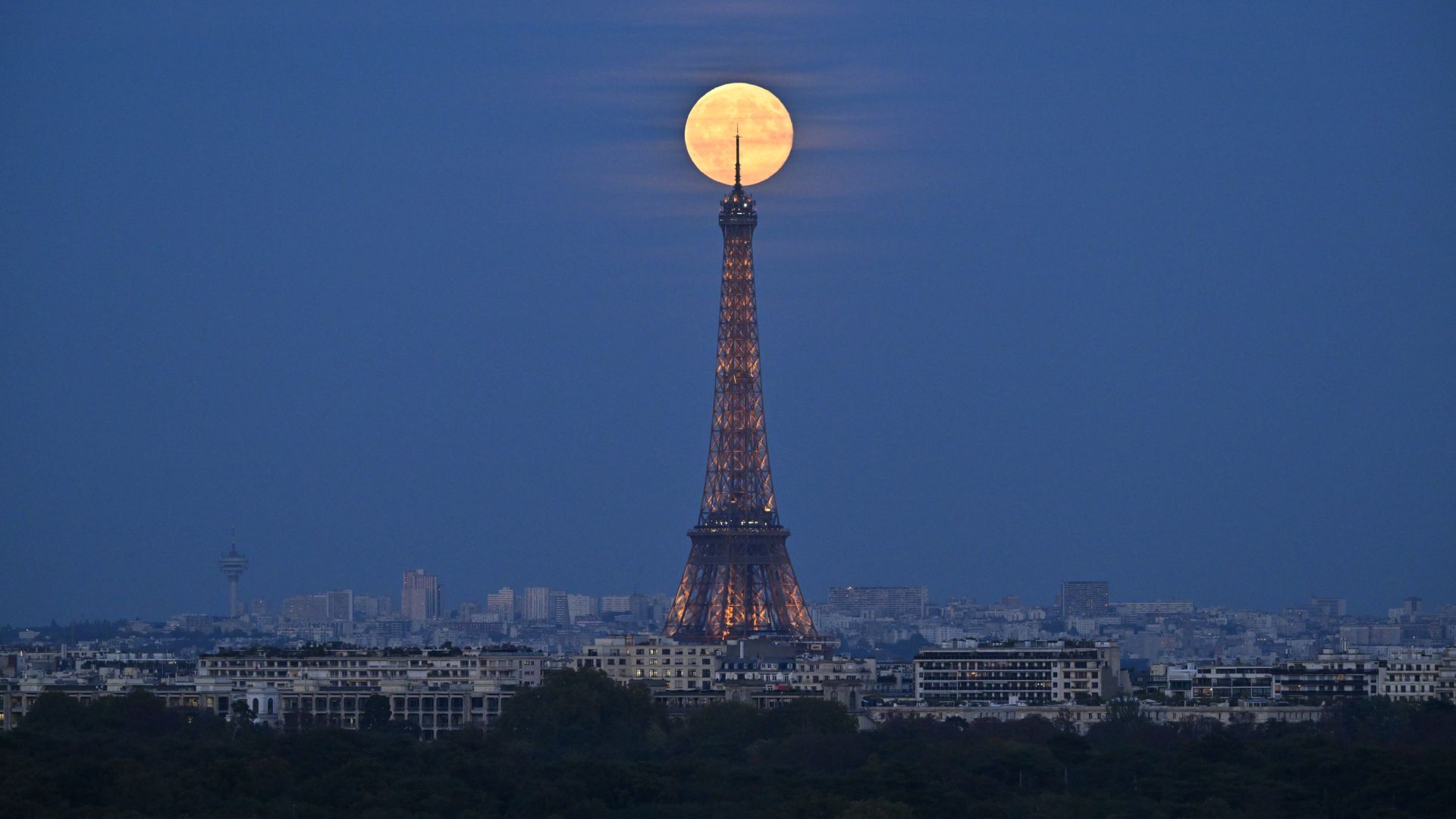
The November full moon, known as the Beaver Moon, reached peak illumination on Nov. 24, 2026, at 9:53 a.m. EST. This event marks the beginning of a three-month streak of supermoons, with subsequent peaks scheduled for Dec. 23 and Jan. 22, 2027. Although the peak occurred during daylight hours in the United States, the moon remained visible and nearly full throughout the evening. The supermoon appears up to 14% larger and 30% brighter than the smallest full moon of the year, though the visual difference is subtle to the naked eye. Viewers are advised to look for the moon low on the horizon after sunset to maximize the optical illusion of size.

Beaver Moon supermoon peaks Nov. 24, launching three-month lunar streak
science3 days ago

Beaver Moon supermoon peaks Nov. 24, launching three-month lunar streak

The November full moon, known as the Beaver Moon, reaches peak illumination on Nov. 24, 2026, at 9:53 a.m. EST. This event marks the first of three consecutive supermoons, occurring when the moon is near perigee, its closest point to Earth. While the visual difference is subtle, the moon appears up to 14% larger and 30% brighter than a micromoon. Viewers should look east after sunset for the best view, as the peak occurs during daylight hours in the U.S.

This Weekend’s Blue Moon Won’t Look Blue, But It Will Be May’s Second Full Moon
space6 months ago

This Weekend’s Blue Moon Won’t Look Blue, But It Will Be May’s Second Full Moon

A true blue moon—the second full moon in May—will light the sky this weekend, peaking around 4:45 a.m. ET Sunday; it won’t look blue to the naked eye. The moon will be near apogee, creating a micromoon and sitting about 252,334 miles from Earth, so it may appear slightly smaller, though the change is hardly noticeable. In the Americas, the full Moon is most prominent late May 30 (into May 31 elsewhere). A calendrical blue moon occurs roughly every two to three years, and the term comes from historic almanacs; a true blue tint is rare (as after Krakatoa in 1883). The next calendrical blue moon isn’t until 2037.

Comet Wierzchos Nears Earth on Feb. 17 — A Tough Telescopic Look
space9 months ago

Comet Wierzchos Nears Earth on Feb. 17 — A Tough Telescopic Look

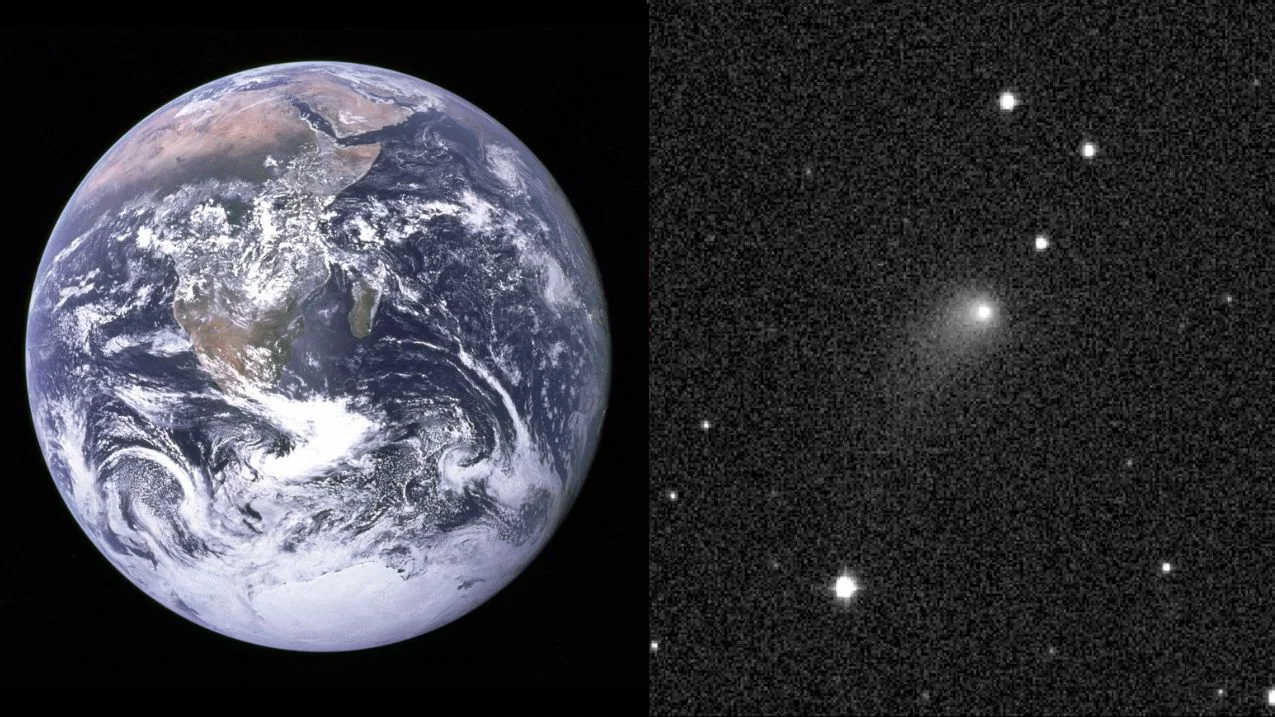
Comet C/2024 E1 (Wierzchos) will pass about 94 million miles (151 million km) from Earth on February 17, its closest approach yet; at magnitude around +8.2 it won’t be visible to the naked eye, but may be spotted with binoculars under dark skies. For U.S. viewers, it will sit low in the southwestern sky at sunset in the southern Grus constellation before fading as it moves away from the Sun. The comet brightened after its January 20 perihelion near the Sun, but is expected to dim over the coming weeks as it recedes farther from Earth.

November 2025's Biggest Supermoon to Shine Bright This Week
science1 year ago

November 2025's Biggest Supermoon to Shine Bright This Week

The biggest full moon of 2025, a supermoon, will rise on Nov. 5, appearing larger and brighter due to its closest approach to Earth at perigee. Despite media hype, the size and brightness increase are subtle and often imperceptible to the naked eye, but the event will cause notably large tides. The term 'supermoon' is often misused, as the moon reaches perigee monthly, but this event is the closest in 2025. The moon illusion may enhance the perception of size, and the event offers a spectacular skywatching opportunity.

Final Supermoon of 2023: September's Full Harvest Moon Illuminates the Sky
astronomy3 years ago

Final Supermoon of 2023: September's Full Harvest Moon Illuminates the Sky

The last supermoon of 2023, known as the Harvest Moon, will be visible on September 28 and 29. Supermoons occur when the moon is at or near perigee, its closest point to Earth. This supermoon will appear brighter and larger, providing a spectacular sight for sky-watchers. In the northern hemisphere, the Harvest Moon historically aided farmers in harvesting crops by providing extra light after sunset. The best viewing times will be in the early hours of Friday morning for the western hemisphere and Friday evening for the eastern hemisphere.

"Mark Your Calendars: Spectacular September Harvest Moon Viewing Locations for Supermoon 2023 Finale"
astronomy3 years ago

"Mark Your Calendars: Spectacular September Harvest Moon Viewing Locations for Supermoon 2023 Finale"

The last supermoon of the year, known as the harvest supermoon, will occur on September 29. This full moon appears larger and brighter due to its proximity to Earth. The best time to observe its enormity is during moonrise, around 7:00 pm local time. Additionally, on September 26, a waxing gibbous moon will pass beneath Saturn, and on October 1-2, a waning gibbous harvest moon will be visible with Jupiter.
Catch a Glimpse of Neptune's Brilliant Glow Tonight
astronomy3 years ago

Catch a Glimpse of Neptune's Brilliant Glow Tonight

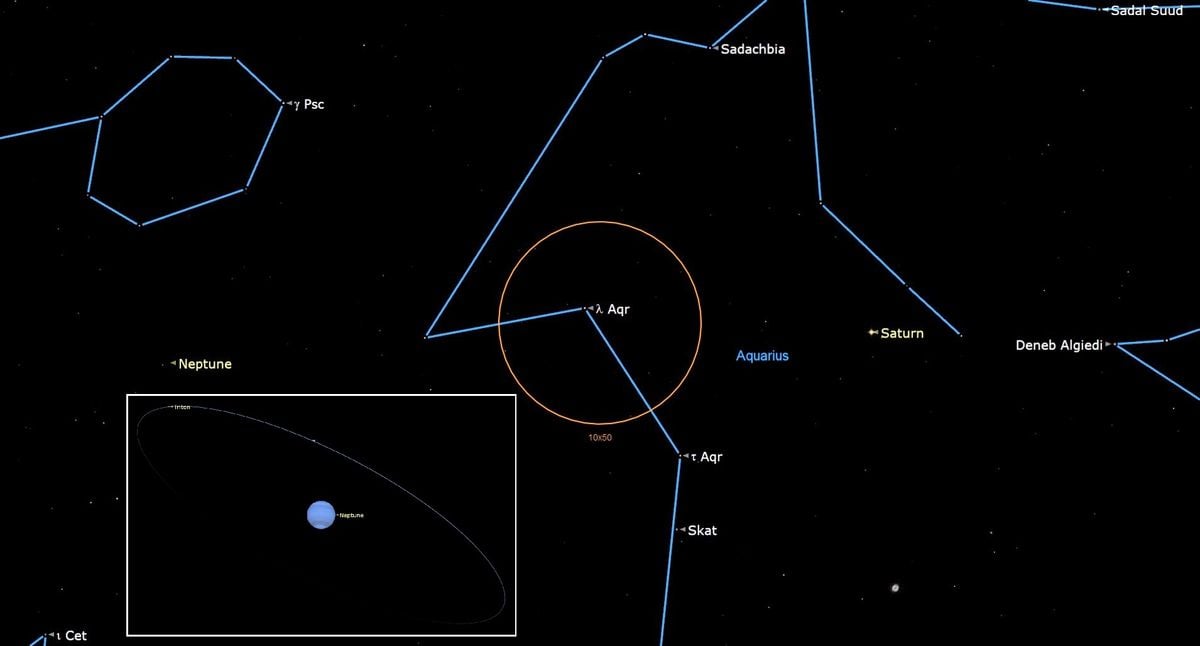
Neptune, the eighth and most distant planet from the sun, will be at opposition and its closest approach to Earth tonight, making it the brightest and largest in the night sky. Although still 2.7 billion miles away, Neptune can be observed with a telescope or binoculars in dark skies and favorable weather conditions. It will rise in the east at around 6:58 p.m. EDT and reach its highest point at 12:51 a.m. EDT on Wednesday. This is a great opportunity for stargazers to locate and observe the ice giant in the Pisces constellation.

Rare Blue Supermoon Illuminates Night Skies Across the Globe
science3 years ago

Rare Blue Supermoon Illuminates Night Skies Across the Globe

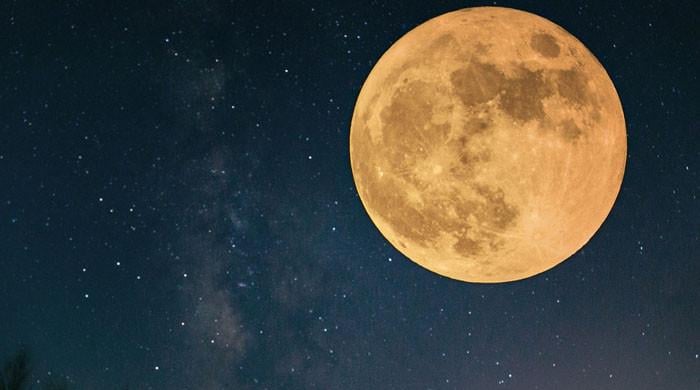
A blue supermoon, the second full moon in August, occurred on Wednesday, appearing bigger and brighter than usual. A supermoon happens when the full moon coincides with the perigee, making it appear larger and brighter. Supermoons occur every three or four months, while blue moons, which happen every two or three years, are even rarer. Blue supermoons occur once every 10 years or so, with the last one in 2018 during a lunar eclipse. The next blue supermoons will occur in 2037.

"Rare Blue Moon Supermoon Shines Over Wisconsin: Essential Details"
astronomy3 years ago

"Rare Blue Moon Supermoon Shines Over Wisconsin: Essential Details"

The brightest supermoon of 2023 will be visible in Wisconsin on Wednesday night. A supermoon occurs when the Moon's orbit is closest to Earth at the same time the Moon is full. This specific supermoon will be the brightest of the year due to its proximity to Earth. Supermoons occur three or four times a year and always appear consecutively. A blue moon, which is when there are two full moons in the same calendar month, will not actually appear blue. The best time to view the supermoon is at moonrise or moonset, and there will be another supermoon on September 28.