
TESS mission uncovers longest-period exoplanets, baffling scientists
TL;DR
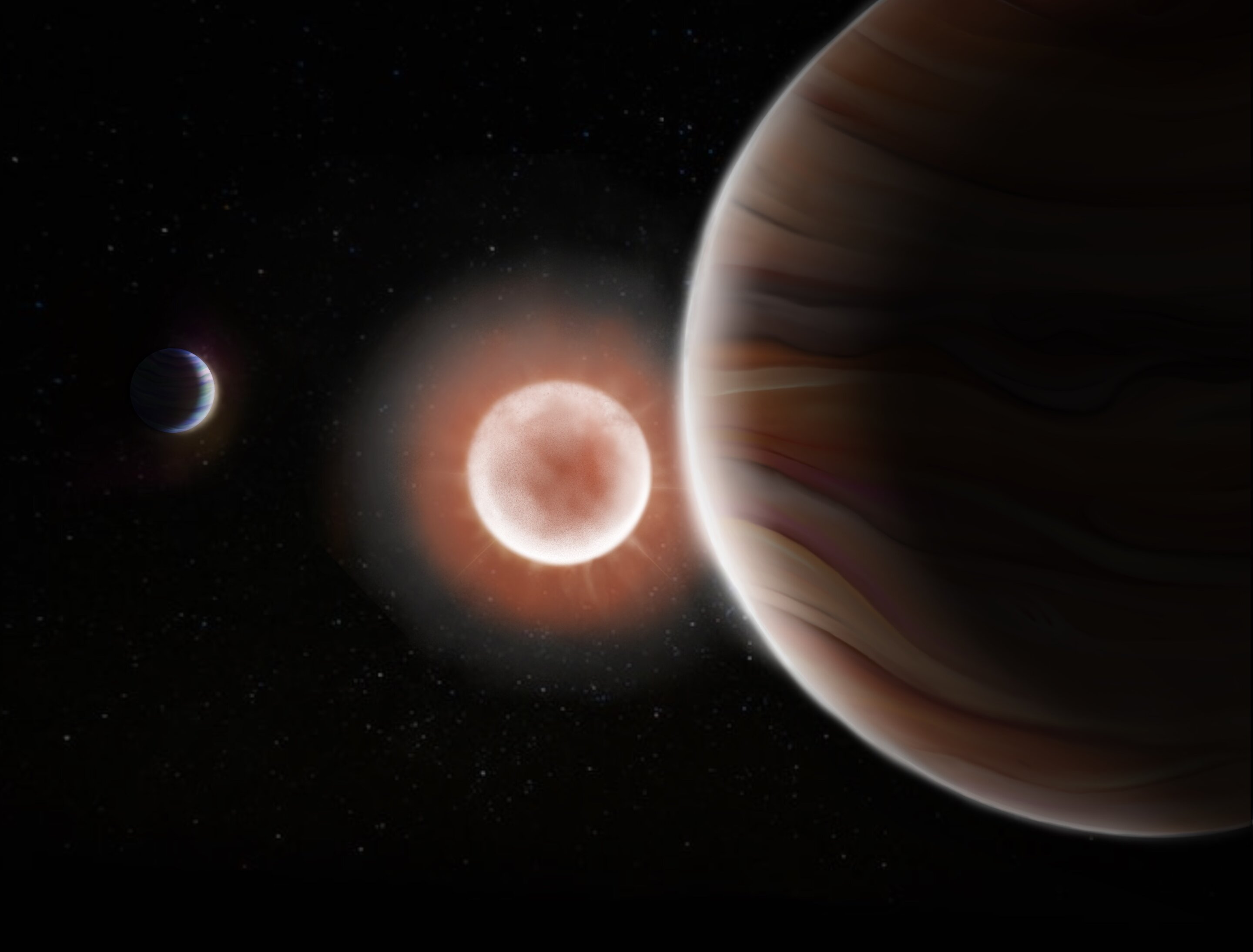
Scientists from The University of New Mexico and MIT have detected and validated two of the longest-period exoplanets found by TESS to date. These warm Jupiters orbit a K dwarf star and offer exciting research opportunities for understanding planet formation. The exoplanets, TOI-4600 b and c, have orbital periods of 82.69 days and 482.82 days, respectively, making TOI-4600 c the longest-period planet found by TESS so far. The discovery was made using photometric data from TESS and confirmed through ground-based observations. The findings contribute to the understanding of exoplanet systems and the formation of different types of planets.
- Scientists detect and validate the longest-period exoplanets found with TESS Phys.org
- Non-gas giant has 73 times Earth’s mass, bewildering its discoverers Ars Technica
- Newly discovered planet has longest orbit yet detected by the TESS mission MIT News
- New giant planet shows evidence of possible planetary collisions Phys.org
- Astronomers discovered a rare system containing two long-period planets Tech Explorist
Want the full story? Read the original reporting
Read on Phys.org