Tag

Weather Extremes

All articles tagged with #weather extremes

Record-Breaking El Niño Threatens California with Unprecedented Coastal Flooding and Rainfall
climate-and-environment1 month ago

Record-Breaking El Niño Threatens California with Unprecedented Coastal Flooding and Rainfall

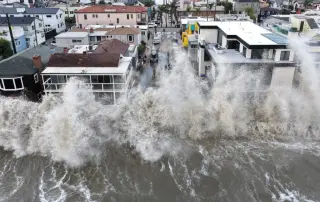
A historic El Niño event, potentially the strongest in a millennium, is set to trigger record-breaking global temperatures and extreme weather. California faces near-certain coastal flooding due to temporary sea-level rises and king tides, alongside increased rainfall. While this may offer short-term relief for drought, it will not resolve long-term water crises.

Record El Niño linked to 451,000 projected heat deaths by 2027
climate2 months ago

Record El Niño linked to 451,000 projected heat deaths by 2027

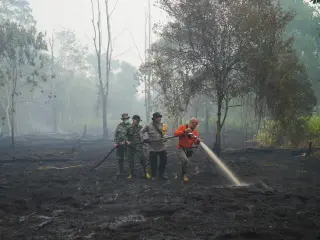
A new report by the Climate Impact Lab projects that the current 'super El Niño' will cause approximately 451,000 excess heat-related deaths globally between June 2026 and February 2027. The event has already broken temperature records, with Pacific sea surface temperatures reaching 3.05C above average, exceeding the 2015 record. Scientists warn that this phenomenon, amplified by human-caused climate change, is acting as a 'postcard from the future,' previewing conditions expected within two decades. The highest mortality risks are concentrated in the Global South, particularly in Nigeria, Indonesia, and the Sahel region, where infrastructure is less resilient. Experts urge immediate emergency measures, including heat warnings and cooling centers, to mitigate the crisis.

California Declares Emergency as Global El Niño Heat and Storms Threaten Record Impact
climate-and-environment2 months ago

California Declares Emergency as Global El Niño Heat and Storms Threaten Record Impact

California Governor Gavin Newsom has declared a state of emergency to prepare for a record-breaking 'super El Niño' expected to bring severe winter storms and flooding. Simultaneously, a new study warns that the same climate phenomenon could cause nearly 451,000 additional heat-related deaths worldwide by February 2027, with the heaviest toll in developing nations.

Antarctica's Concordia Station Logs -119.4°F, Earth's Coldest Reading Since 2012
science3 months ago

Antarctica's Concordia Station Logs -119.4°F, Earth's Coldest Reading Since 2012

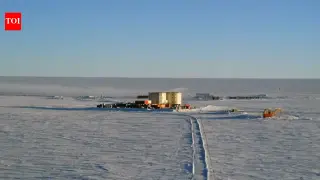
On July 18, 2026, the Concordia research station in East Antarctica recorded a temperature of -119.4°F (-84.1°C), marking the coldest officially measured temperature on Earth since 2012. This extreme cold occurred during the polar winter, driven by high elevation, clear skies, and dry air, while the Northern Hemisphere experienced intense summer heat. Although this reading does not surpass the all-time record of -128.6°F set at Vostok Station in 1983, it highlights the variability of Antarctic weather and the complexity of climate trends.

June Ocean Heat Surges to Record, Raising Alarm of a New Climate Regime
climate4 months ago

June Ocean Heat Surges to Record, Raising Alarm of a New Climate Regime

Global oceans reached a new June heat record, with average sea-surface temperatures around 69.5°F (20.86°C) on June 21, 2026 (Copernicus data), and 69.38°F in another dataset, driven by the onset of El Niño and ongoing human-caused warming. Scientists warn this could mark a shift into uncharted territory, likely bringing more heat waves, stronger storms, heavier rainfall, and threats to marine life such as coral bleaching, though whether the spike is temporary remains uncertain.

AI Uncovers Hidden Historical Climate Extremes
science-and-technology2 years ago

AI Uncovers Hidden Historical Climate Extremes

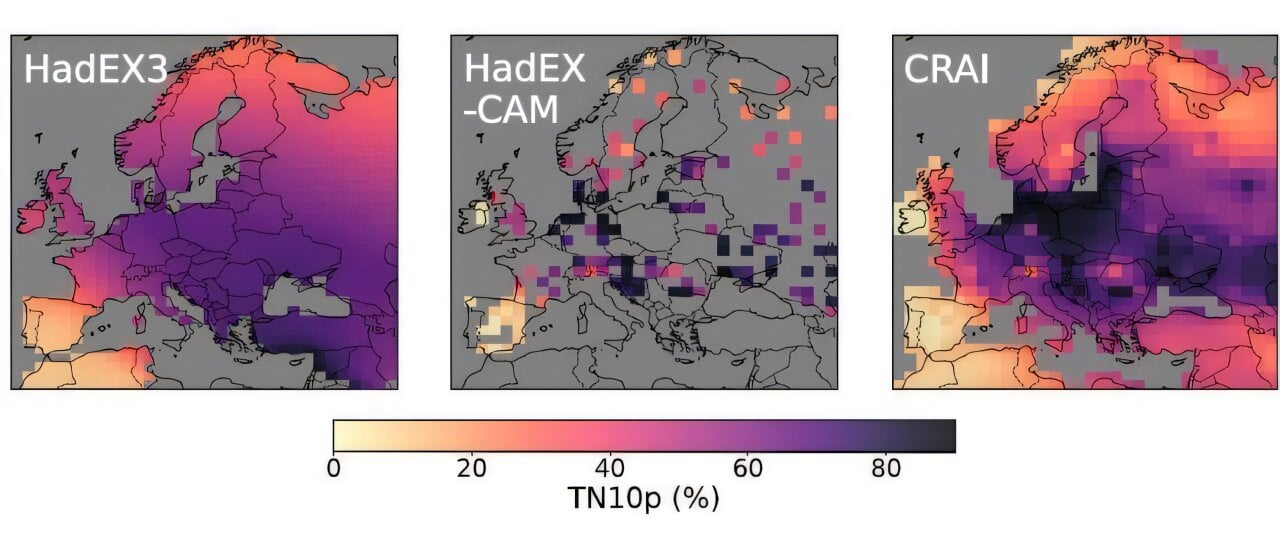
Researchers have utilized artificial intelligence to analyze historical climate data, uncovering previously undetected temperature extremes in Europe. The AI-based method, called Climate Reconstruction AI (CRAI), outperformed traditional statistical techniques in reconstructing past climate events, revealing unknown cold spells and heat waves. This approach highlights AI's potential to enhance understanding of climate extremes, especially in regions with sparse data, and suggests broader applications for global climate analysis.