
US Job Growth Surges to 165,000 in October, Pushing Unemployment to 4.1%
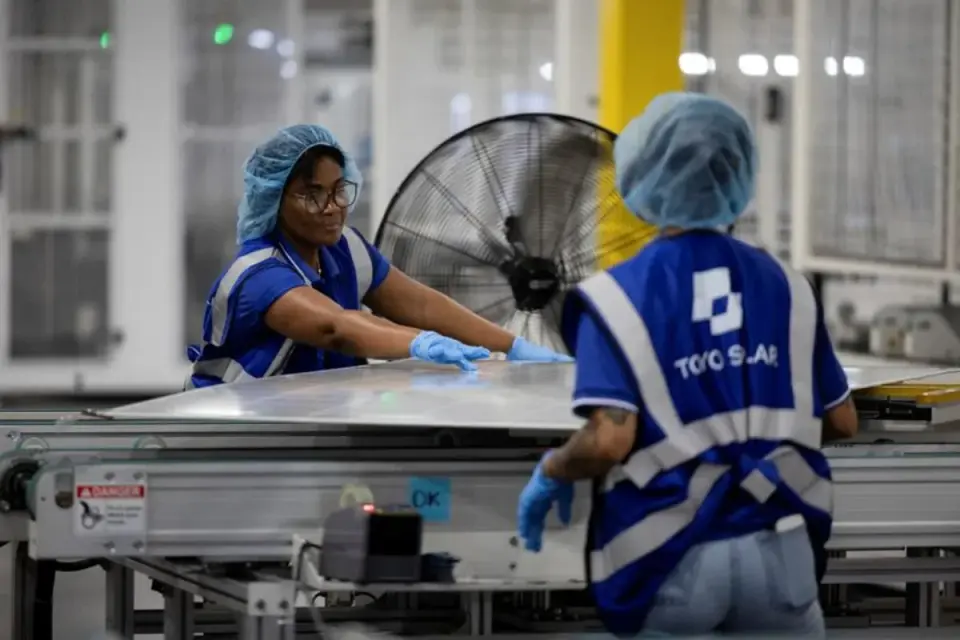
The US economy added 165,000 jobs in October, far exceeding forecasts, while the unemployment rate fell to 4.1%. August and September figures were revised upward, signaling a rebound after a mid-2026 slump. However, the recovery is uneven, with construction and leisure sectors shedding jobs, and wage growth lagging inflation. The strong data increases the likelihood of a Federal Reserve interest rate hike in December, though market volatility and inflation concerns remain.
Key points
- Nonfarm payrolls rose by 165,000 in October, compared to a forecast of 65,000 and a revised 60,000 gain in September.
- The unemployment rate dropped to 4.1% from 4.2% in September, despite a rise in labor force participation to 61.9%.
- Professional and business services led gains with 70,000 new jobs, while construction lost 3,000 and leisure/hospitality shed 13,000.
- The median duration of unemployment reached 11.9 weeks, the highest since November 2021, and part-time work for economic reasons rose to 4.84 million.
- Wage growth slowed to 3.1% year-over-year, lagging behind the 3.7% consumer price inflation rate recorded in September.
Background
This report follows a period of labor market weakness in mid-2026, where September job growth was initially reported at only 29,000. Earlier data indicated a slump in hiring and a rise in unemployment to 4.2%. Additionally, concerns have grown regarding the impact of artificial intelligence on entry-level jobs and youth hiring, with AI cited as a primary driver of layoffs through September 2026.
How outlets are covering it
While Yahoo Finance highlights the broad-based strength of the labor market and its implications for Federal Reserve policy, CNN emphasizes structural headwinds, including an aging workforce and AI disruption, suggesting the recovery may be fragile. Axios notes that despite strong jobs data, the Federal Reserve's focus remains on inflation, and market volatility from the AI sector may limit further rate hikes. Economists are divided on the sustainability of the gains, with some attributing them to federal spending and election-related activity rather than organic economic growth.
Why it matters
The labor market's trajectory influences monetary policy, consumer spending, and economic stability. A strong jobs report could lead to higher interest rates, affecting borrowing costs for households and businesses. Conversely, structural issues like wage stagnation and youth unemployment may persist, impacting long-term economic health and political sentiment following the recent midterm elections.
What to watch
The Federal Reserve is expected to decide on an interest rate hike at its December meeting, with markets pricing in an 80% probability. The October consumer inflation report, due next Tuesday, will provide further clues on monetary policy direction. Economists will also monitor whether the labor market's strength continues or if structural issues, such as AI-driven job losses and high mortgage rates, lead to a slowdown.
- US job growth beats expectations in October; unemployment rate falls to 4.1% Yahoo Finance
- 'A blowout': US added 165,000 jobs in October, trouncing expectations Yahoo Finance
- Could the ‘blue tsunami’ jolt the US job market back to life? CNN
- October surge in hiring lowers veterans’ unemployment to 2.7% Military Times
- Conflicting numbers complicate Fed's monetary policy decisions Axios
Want the full story? Read the original reporting
Read on Yahoo Finance