
US Proposes New Tariffs on 14 Partners, Raising Inflation and Fed Hike Risks
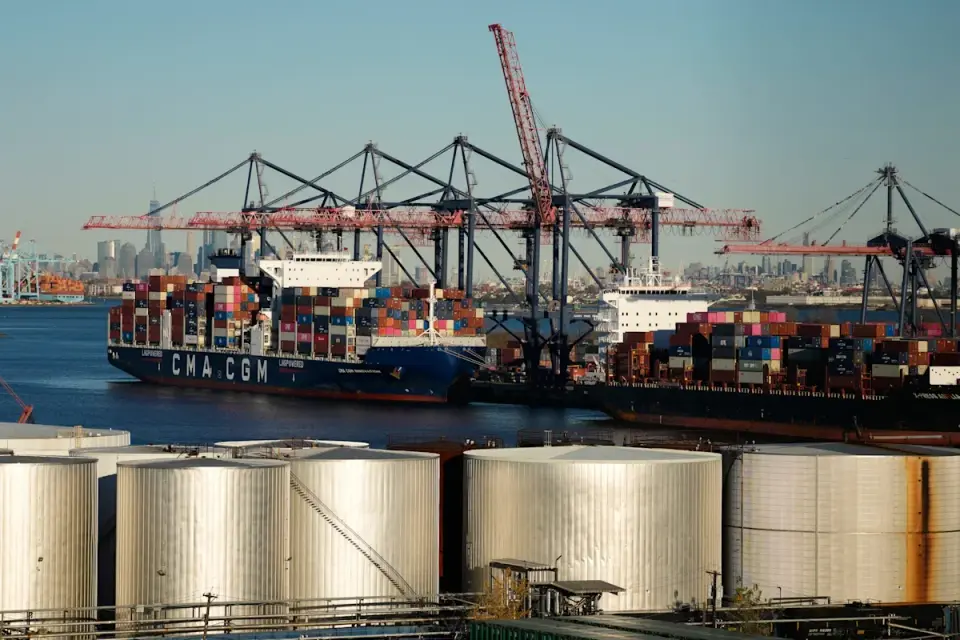
The Trump administration has proposed new tariffs on 14 major trading partners, including China, the EU, and Vietnam, following an eight-month investigation into excess manufacturing capacity. These duties, which could take effect as early as January 2027, range from 15% to 35% depending on the country and whether trade deals are finalized. Economists warn that these measures, which largely replace tariffs struck down by the Supreme Court in February, could reignite inflationary pressures. With core inflation already rising to 3.3% in October, the Federal Reserve faces increased pressure to raise interest rates at its December meeting, potentially keeping rates higher for longer to combat supply-side cost shocks.
Key points
- The US Trade Representative proposed tariffs of up to 20% on China, 15% on the EU, South Korea, Switzerland, and Taiwan, and up to 35% on Vietnam, following an investigation into excess industrial capacity.
- China faces a base rate of 20% on top of existing 25% duties, with the potential to double to 40% if a trade truce expires in January without extension.
- Core Personal Consumption Expenditures inflation rose to 3.3% in October, exceeding forecasts and signaling persistent price pressures that may force the Federal Reserve to raise rates at its December 8-9 meeting.
- Economists note that while the new tariffs largely replace those struck down by the Supreme Court in February, they could still drive up goods prices in the first quarter of 2027, particularly if companies adjust pricing in January.
- China’s Commerce Ministry urged Washington to 'rectify its wrongdoing' and return to dialogue, while Beijing appears prepared to accept the 20% rate if it does not escalate further.
Background
In February 2026, the Supreme Court ruled that President Trump’s emergency tariffs under the International Emergency Economic Powers Act were unconstitutional, leading to a drop in the US effective tariff rate to 11.2%. Inflation had previously reaccelerated to 3.6% annually due to tariffs, the Iran conflict, and AI investment. The Federal Reserve held rates at 3.75%-4.00% but signaled potential hikes as inflation remained above the 2% target for nearly six years.
How outlets are covering it
EY chief economist Greg Daco argues the new tariffs raise the risk of a 'more hawkish Fed response' as inflation hits a three-year high, suggesting policymakers may favor earlier rate hikes. Conversely, Capital Economics’ Stephen Brown views the announcement as less alarming than it appears, noting the tariffs essentially replace previous Section 301 duties rather than stacking on top of them, though they may keep core goods inflation firm. CNBC’s Mark Williams emphasizes that the proposal puts most targeted countries back to their pre-February tariff levels, but highlights that the threat of higher rates serves as leverage for Washington to secure trade deals and critical mineral shipments.
Why it matters
The proposed tariffs could trigger a new round of inflationary pressure, complicating the Federal Reserve’s efforts to bring prices down. If the Fed raises rates in December, it could slow economic growth and impact the debt-heavy AI sector, while also influencing trade negotiations with key partners like China, Vietnam, and India.
What to watch
The Federal Reserve is scheduled to meet on December 8-9, 2026, where it is widely expected to raise interest rates by a quarter percentage point. The US and China are expected to meet at the Group of 20 summit in Miami in December, where trade tensions and potential tariff escalations may be discussed. The new tariffs could take effect as early as January 2027, depending on the outcome of ongoing trade negotiations.
- Newly proposed tariffs raise chances of the Fed keeping interest rates higher for longer Yahoo Finance
- Trump's new tariffs would put rates right back where they were before the Supreme Court stepped in Yahoo Finance
- China and other U.S. trading partners hit back at Trump’s new tariff plans AP News
- U.S. tariff-hike threats pile pressure on partners to sign trade deals CNBC
- Trump Aims to Keep Leverage Over Xi With 40% China Tariff Threat Bloomberg.com
Want the full story? Read the original reporting
Read on Yahoo Finance