
Plastic-to-Food Tech: μBites Cookies Move from Lab Demo to 2026 Reality
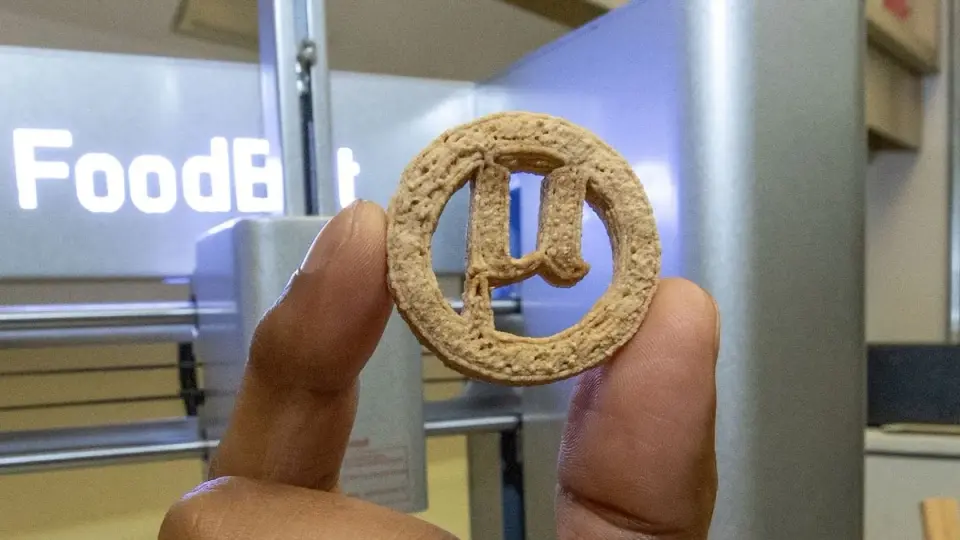
Scientists have successfully produced edible cookies from recycled plastic slurry, a development highlighted in 2026. The process, known as μBites, converts waste PET plastic into liquid feedstock using oxidative hydrothermal dissolution. Engineered yeast then synthesizes proteins, aromas, and colors from this feedstock. The resulting dough is 3D-printed and microwaved into cookies. While sensory tests show promising aroma and texture, human taste and safety trials are still pending. The project aims for zero-waste food production in extreme environments like space or disaster zones. Current conversion efficiency is around 50% of the carbon in feedstocks, with ongoing work to improve microgravity adaptation and production efficiency.
Key points
- μBites cookies are made from recycled PET plastic slurry via oxidative hydrothermal dissolution.
- Engineered yeast converts plastic-derived molecules into edible proteins, vitamins, and flavors.
- The dough is 3D-printed and microwaved to form the final cookie.
- Sensory tests indicate promising aroma and texture, but human taste and safety trials are pending.
- The technology targets zero-waste food production for extreme environments such as space and disaster zones.
- Current production costs are approximately $60 per kilogram, with potential reductions as efficiency improves.
Background
This development builds on earlier 2026 reports from Southern Illinois University and NASA-funded researchers, who first demonstrated the μBites concept in August 2026. Those initial reports highlighted the use of biomass and engineered yeasts to break down PET plastic into edible components, with a focus on disaster and deep-space applications. The current 2026 update confirms the progression from lab demonstration to a more refined production process, though regulatory approval for human consumption remains a hurdle. Public acceptance and cost reduction remain key challenges, as noted in previous coverage.
Why it matters
This innovation represents a significant step toward sustainable food production by repurposing plastic waste into edible goods. It addresses two critical issues: plastic pollution and food security in extreme environments. If successful, it could reduce reliance on traditional supply chains for astronauts and disaster relief efforts. However, the technology's viability depends on overcoming safety concerns, improving conversion efficiency, and reducing production costs to make it commercially viable.
What to watch
The next steps involve completing human taste and safety trials to gain regulatory approval. Researchers are also working to improve the conversion efficiency of carbon from feedstocks and adapt the process for microgravity environments. Cost reduction is a priority, with current production at $60 per kilogram. Public acceptance campaigns may follow to address concerns about consuming food derived from plastic.
Want the full story? Read the original reporting
Read on Yahoo