
NASA Opens 25th Astronaut Class Applications for Lunar Base and Mars Missions
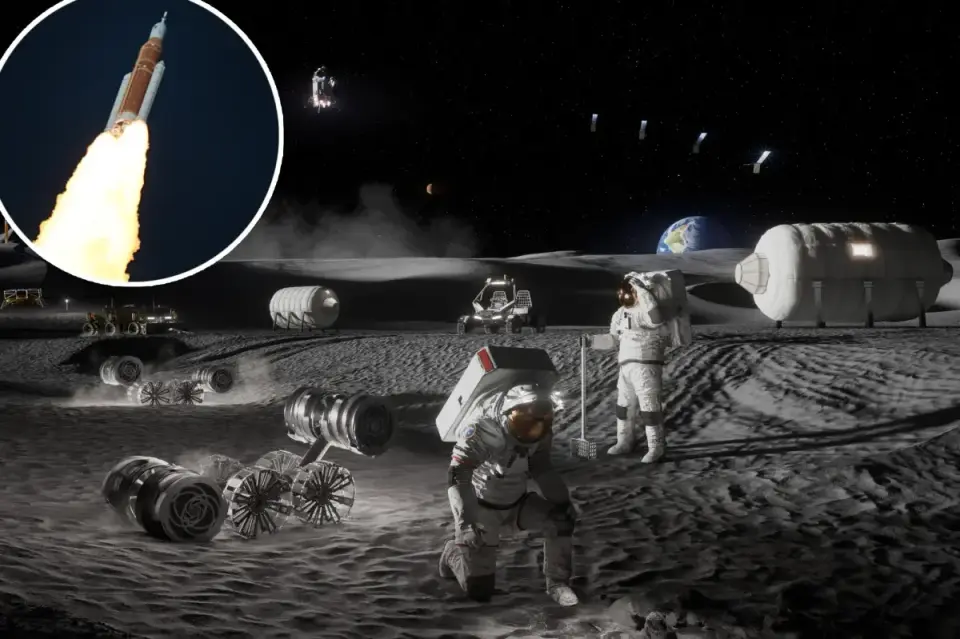
NASA has opened applications for its 25th astronaut class, seeking U.S. citizens to support the 2028 lunar return, construction of a moon base, and future Mars missions. The agency currently has 32 active astronauts and faces a staffing shortage as it expands operations. Applications close on December 3, 2026, with final selections expected in late 2027 and training beginning in early 2028. Candidates must meet specific educational and professional experience requirements, including STEM degrees, medical qualifications, or pilot experience.
Key points
- NASA is recruiting for its 25th astronaut class to support the Artemis program's 2028 lunar return and future Mars missions.
- The agency currently has 32 active astronauts and faces a staffing shortage as it expands operations.
- Applications close on December 3, 2026, with final selections expected in late 2027 and training beginning in early 2028.
- Candidates must be U.S. citizens with specific educational and professional experience requirements, including STEM degrees, medical qualifications, or pilot experience.
- The 2024 cycle drew over 8,000 applicants and selected 10 candidates, highlighting the competitive nature of the process.
Background
NASA's recruitment efforts follow a 2024 cycle that drew over 8,000 applicants and selected 10 candidates. The agency currently has 32 active astronauts and faces a staffing shortage as it expands operations. The 2028 lunar return is a key milestone in the Artemis program, with NASA relying on private companies like Blue Origin and SpaceX to develop systems and spacecraft. The agency has also emphasized the importance of expanding the astronaut corps to meet ambitious space exploration goals.
How outlets are covering it
NASA's recruitment efforts are framed as a critical step in expanding the astronaut corps to meet ambitious space exploration goals. The agency emphasizes the urgency of expanding the corps to support the 2028 lunar return and future Mars missions. The 2024 cycle drew over 8,000 applicants and selected 10 candidates, highlighting the competitive nature of the process. The agency has also emphasized the importance of expanding the astronaut corps to meet ambitious space exploration goals. The 2028 lunar return is a key milestone in the Artemis program, with NASA relying on private companies like Blue Origin and SpaceX to develop systems and spacecraft. The agency has also emphasized the importance of expanding the astronaut corps to meet ambitious space exploration goals.
Why it matters
NASA's recruitment efforts are critical to expanding the astronaut corps to meet ambitious space exploration goals. The 2028 lunar return is a key milestone in the Artemis program, with NASA relying on private companies like Blue Origin and SpaceX to develop systems and spacecraft. The agency has also emphasized the importance of expanding the astronaut corps to meet ambitious space exploration goals. The 2028 lunar return is a key milestone in the Artemis program, with NASA relying on private companies like Blue Origin and SpaceX to develop systems and spacecraft. The agency has also emphasized the importance of expanding the astronaut corps to meet ambitious space exploration goals.
What to watch
Applications close on December 3, 2026, with final selections expected in late 2027 and training beginning in early 2028. The agency will assess applications and bring the highest-scoring applicants to Houston's Johnson Space Center for first-round interviews, calling about half back for a second screening. Those ultimately chosen will report to Johnson to begin two years of intensive preparation, learning the essentials of spaceflight: piloting T-38 jets, maneuvering robotic arms, conducting spacewalks, and running the space station.
- NASA is hiring aspiring astronauts will work on the Moon New York Post
- NASA is hiring astronaut candidates. Some could "live and work" on the moon. CBS News
- NASA is looking for astronauts to live and work on the Moon NPR
- NASA needs more astronauts for moon missions and beyond. You can apply now, but only until Dec. 3 Space
- NASA Is Selecting Future Astronauts. Here’s How to Apply. The New York Times
Want the full story? Read the original reporting
Read on New York Post