
SpaceX Falcon 9 crash on the Moon turns it into a rare planetary lab
TL;DR Summary
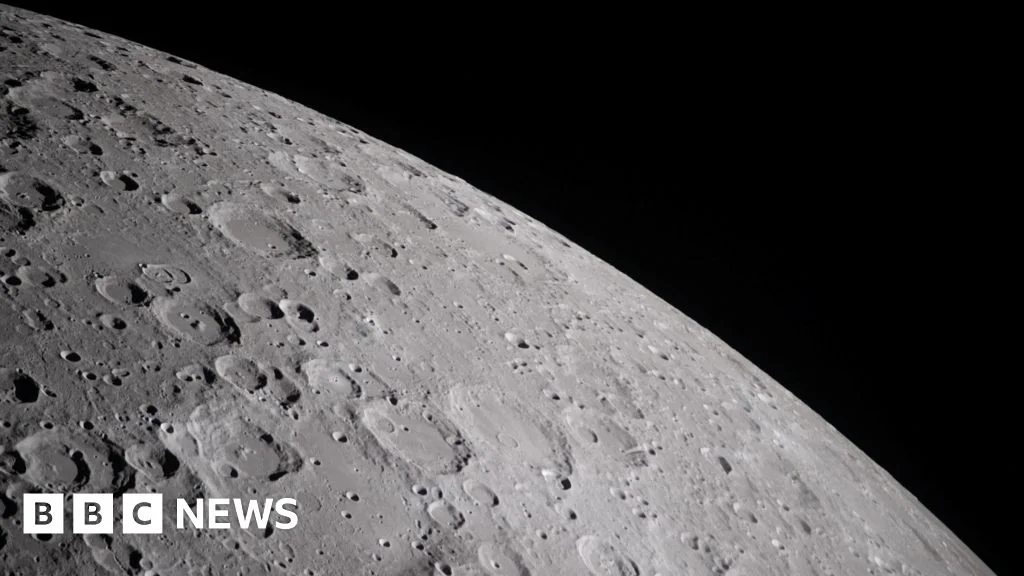
A spent Falcon 9 upper stage likely struck the Moon near Einstein crater, creating a brief flash and a dust plume that could be observed with large telescopes and upcoming images from NASA’s Lunar Reconnaissance Orbiter. Scientists expect to learn about crater formation, ejecta dispersal, and lunar interior shaking, turning this accidental impact into a valuable natural experiment that could inform safer landers and future Moon bases.
- SpaceX: What can scientists learn from a Falcon 9 rocket hitting the Moon? BBC
- SpaceX rocket expected to have crashed into Moon - live updates BBC
- Piece of SpaceX rocket believed to have crashed into the moon The Globe and Mail
- SpaceX rocket thought to have crashed into the moon in unintentional collision The Guardian
- NASA Will Attempt to Observe Rocket Part’s Lunar Impact NASA (.gov)
Reading Insights
Total Reads
0
Unique Readers
2
Time Saved
5 min
vs 6 min read
Condensed
93%
1,022 → 67 words
Want the full story? Read the original article
Read on BBC