
SpaceX Falcon 9 Upper Stage Strikes Moon, Creating New Crater
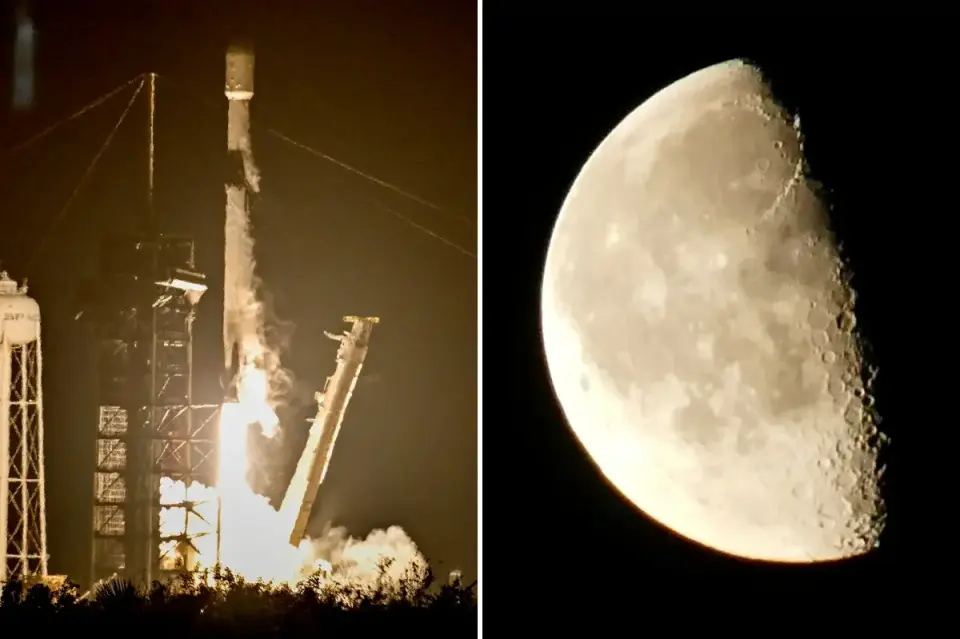
A discarded SpaceX Falcon 9 upper stage, drifting since a January 2025 lunar mission, impacted the Moon on August 5, 2026. The 4-tonne object struck near Einstein Crater at 5,400 mph, creating a crater estimated at 20-30 meters wide. While the impact was unintentional and posed no danger to Earth, it highlights growing concerns about space debris management as lunar exploration expands.
Key points
- The impacting object was the second stage of a Falcon 9 rocket that launched Firefly Aerospace’s Blue Ghost and Ispace’s Resilience landers in January 2025.
- The stage, weighing 4 metric tons, drifted through space for nearly two years before solar activity and gravity placed it on a collision course with the Moon.
- The impact occurred near Einstein Crater on the Moon’s western limb, creating a crater estimated between 20 and 30 meters in diameter.
- NASA and SpaceX confirmed the impact was unintentional but safe for Earth, with no risk to current or planned lunar infrastructure.
- The event underscores the need for better disposal strategies for space debris, as the Moon lacks an atmosphere to burn up incoming objects.
Background
This incident follows a trend of increasing space debris in lunar orbit. Previous artificial impacts include a Chinese rocket stage in 2022 and intentional NASA crashes in the 1970s. The Moon now hosts approximately 3,000 human-made objects. With NASA’s Artemis program planning a sustained human presence on the Moon later this decade, managing debris becomes critical to protect future missions and infrastructure.
How outlets are covering it
CNN and NASA emphasized the scientific value of observing the impact, noting it provides rare data on lunar surface interactions and ejecta behavior. The New York Post and The New York Times highlighted the unintentional nature of the crash and raised concerns about 'carelessness' in space debris disposal. All sources agreed the impact posed no danger to Earth but underscored the growing challenge of tracking and managing space junk in the Earth-Moon system.
Why it matters
As space exploration expands, the accumulation of debris in lunar orbit poses risks to future missions and infrastructure. This incident serves as a cautionary example of the need for improved disposal strategies and tracking systems to ensure safe and sustainable space operations.
What to watch
NASA and SpaceX are collaborating to develop better disposal methods for high-energy missions. Scientists will analyze imagery from the impact site to refine models of lunar surface interactions. The event may influence future regulations and practices for managing space debris in the Earth-Moon system.
- SpaceX rocket ‘slams into the moon’ after drifting through space since last year New York Post
- New crater likely to form after SpaceX rocket slams into the moon CNN
- Stray Piece of SpaceX Falcon 9 Rocket Slams Into the Moon Bloomberg.com
- NASA Will Attempt to Observe Rocket Part’s Lunar Impact NASA (.gov)
- A SpaceX Rocket Will Soon Crash Into the Moon The New York Times
Want the full story? Read the original reporting
Read on New York Post