
Austrian Gravel Workers Uncover 2,000-Year-Old Iron Hoard Linked to Danube Shipwreck
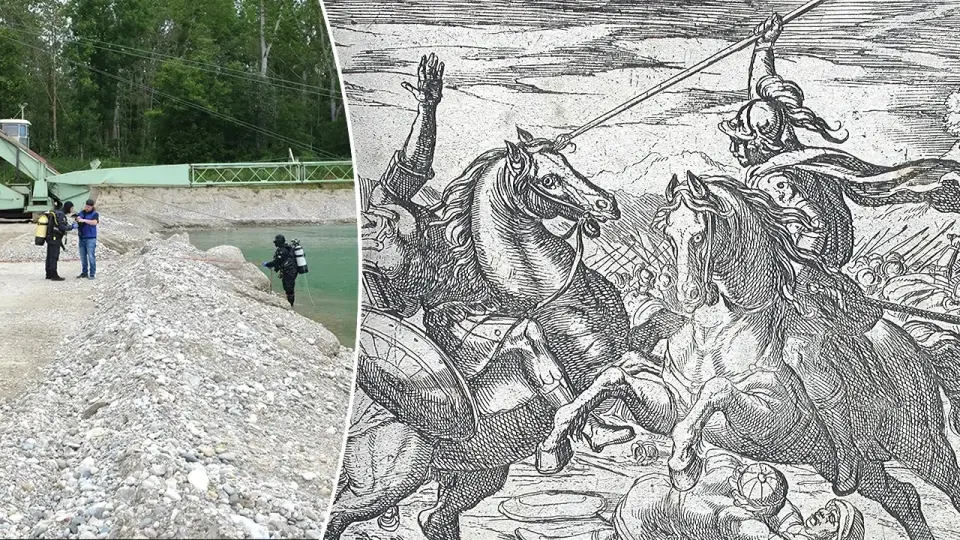
Gravel workers in Deinham, Austria, discovered over 500 Iron Age iron bars in an old Danube River channel, the largest such find in Europe. Dating to the 3rd or 2nd century BCE, the bars likely originated in Bavaria and were lost in a shipwreck. The discovery, reported to authorities rather than sold as scrap, highlights massive prehistoric iron trade networks.
Key points
- At least 500 iron bars, weighing over one metric ton, were recovered from a silt-filled Danube channel in Deinham, Austria, during gravel extraction in 2019.
- Radiocarbon dating places the artifacts in the 3rd or 2nd century BCE, making them Europe's largest known Iron Age iron collection.
- The metal could have been forged into approximately 500 swords, each weighing between 3.3 and 4.4 pounds, or other tools and jewelry.
- Researchers believe the cargo was transported from Bavaria, Germany, and lost due to a shipwreck, though no vessel remains were found.
- The find was reported to the Monuments Authority and donated to a state museum, preventing it from being sold as scrap metal.
- The discovery suggests iron production and trade capacities in the Danube region were significantly larger than previously estimated.
Background
This discovery follows other recent Iron Age finds in Europe, including a 2,000-year-old temple in Denmark and rare four-wheeled wagon remains in northern England. It also aligns with broader archaeological efforts to understand ancient trade routes, such as the dating of Bronze Age shipwrecks in Turkey, which have revised timelines for Mediterranean commerce.
Why it matters
The find provides concrete evidence of large-scale iron production and trade in the Late Iron Age, challenging previous assumptions about the volume of metal moved across Europe. It also underscores the importance of reporting archaeological discoveries to authorities rather than selling them as scrap, preserving critical historical data.
What to watch
Researchers will continue analyzing the iron bars to determine their exact origin and potential uses. Further investigation may reveal more about the trade networks and production capabilities of the Danube region during the 3rd and 2nd centuries BCE.
Want the full story? Read the original reporting
Read on Fox News