
German Industry Faces Structural Threat from Chinese Industrial Policy
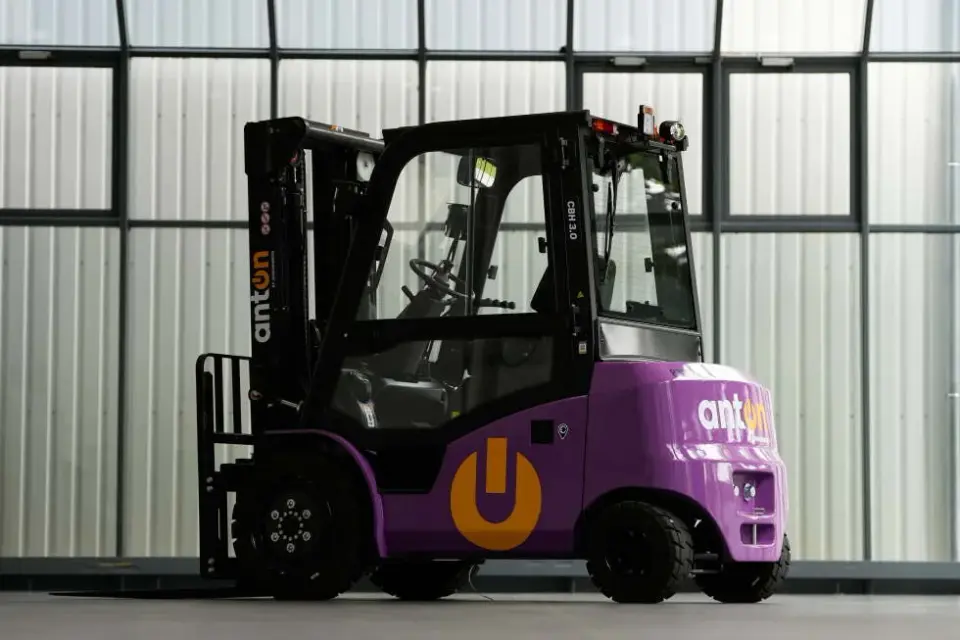
German policymakers and economists are increasingly concerned that Chinese industrial support is undermining domestic manufacturing competitiveness. While Germany has launched a 500 billion euro infrastructure fund and tax cuts to boost growth, experts argue that EU-level trade measures are necessary to counter Chinese subsidies and low-cost exports. The situation mirrors the collapse of the German solar industry, where Chinese imports drove local manufacturers into bankruptcy.
Key points
- German policymakers fear a repeat of the solar industry collapse, where Chinese imports bankrupted local manufacturers.
- China provides extensive support to key sectors, including easy credit, cheap raw materials, and land, alongside lower labor costs.
- German companies like Volkswagen are adopting an 'in China, for China' strategy to access new markets and efficient production sites.
- Economist Michael Setser argues that EU trade policy, not just German industry, must address the 'China shock' through tougher tariffs.
- China rejects claims of unfair practices, stating that its industrial development is not a threat to Western economies.
Background
This issue follows broader trends of industrial restructuring and global trade tensions. Previous coverage noted how AI infrastructure investment is shifting labor markets, while other reports highlighted the decline of traditional industries. The current focus on German manufacturing highlights the ongoing struggle of European economies to compete with subsidized Chinese exports in key sectors.
Why it matters
The competitiveness of German manufacturing is crucial for the broader European economy. If Chinese industrial policy continues to undercut German firms, it could lead to further job losses and economic stagnation. The debate over EU trade policy highlights the need for a coordinated response to protect European industries from unfair competition.
What to watch
The European Commission is expected to continue evaluating trade policies, potentially imposing more tariffs on Chinese goods. German companies may continue to adapt by focusing on local markets in China or seeking new partnerships. The outcome of these measures will determine the future of German manufacturing and its ability to compete globally.
Want the full story? Read the original reporting
Read on AP News