
Europe’s seas hit record highs as climate change drives massive marine heatwave expansion
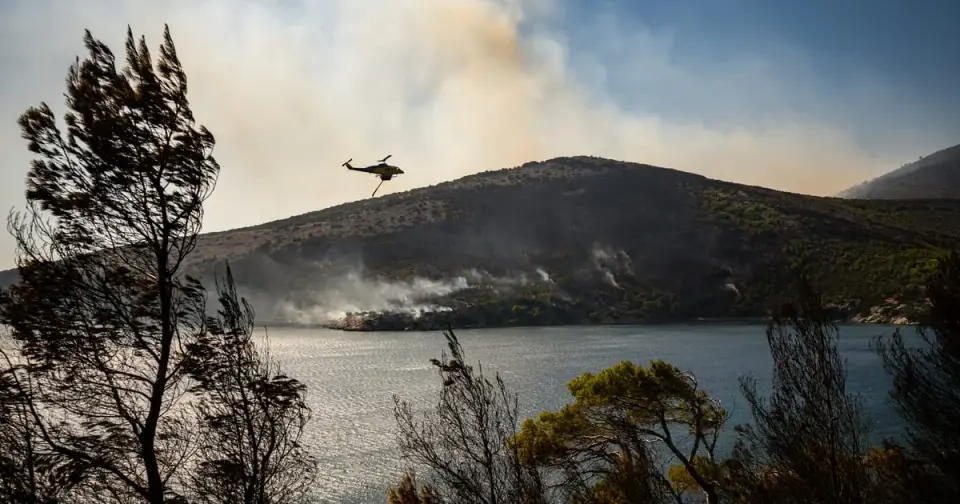
Scientists from the World Weather Attribution consortium confirmed that global warming is the primary driver behind record-breaking ocean temperatures in Europe this summer. The Mediterranean and Atlantic waters reached up to 6 degrees Celsius above normal, with the Mediterranean averaging over 27C in July. This extreme heat has expanded marine heatwaves to cover 90 percent of the Bay of Biscay and 80 percent of the Western Mediterranean, areas that would have been only half as affected without climate change. The warming is causing severe ecological shifts, including the northward migration of octopuses in the UK and increased jellyfish populations in France, while also intensifying coastal humidity and storm risks.
Key points
- The World Weather Attribution study identifies climate change as the main cause of this year’s extreme ocean temperatures in Europe.
- Marine heatwaves have expanded significantly, affecting 90 percent of the Bay of Biscay and 80 percent of the Western Mediterranean, compared to much lower percentages in a pre-industrial climate.
- The Mediterranean Sea reached its highest July average temperature on record, exceeding 27C, while some areas near Mallorca recorded open water temperatures above 33C.
- Ecological impacts include the northward spread of octopuses in UK waters, which are decimating shellfish populations, and increased jellyfish blooms clogging nuclear power stations in France.
- Warmer oceans are increasing coastal humidity and providing additional energy for storms, potentially exacerbating extreme weather events like the 2024 Valencia floods.
Background
This development follows a series of record-breaking ocean temperatures reported in July 2026, where global sea-surface temperatures hit 20.96C. Earlier concerns about the weakening of the Atlantic Meridional Overturning Circulation (AMOC) suggested potential shifts in European weather patterns, but the current marine heatwaves are directly attributed to fossil fuel emissions. The 2026 events represent a significant escalation from previous years, with scientists noting that the intensity and geographic spread of these heatwaves are unprecedented in the historical record.
How outlets are covering it
While all three sources agree on the severity of the warming, they emphasize different aspects. POLITICO highlights the direct link to fossil fuels and the immediate threat to coastal communities and ecosystems. The Guardian focuses on the 'massive expansion' of heatwaves, noting that the hottest periods would have been virtually impossible in a pre-industrial climate, and raises concerns about Europe’s continued expansion of fossil fuel infrastructure. World Weather Attribution provides the detailed technical analysis, noting that while the Celtic region shows a smaller temperature increase of 1.2C, the Mediterranean regions have warmed by over 2C, far exceeding global averages. The Guardian also cites separate research linking marine heatwaves to a 20-30 percent increase in extreme rainfall intensity, a detail not emphasized in the other reports.
Why it matters
The rapid warming of European seas is fundamentally altering marine ecosystems and threatening food security through the displacement of species and the decline of native fish stocks. The increased heat is also exacerbating extreme weather events on land, leading to higher humidity and more intense storms. As the study projects that these events will become 1.3 to 1.9 degrees Celsius hotter by the end of the century, the urgency for rapid fossil fuel reduction is critical to prevent irreversible ecological damage and protect coastal communities from escalating climate risks.
What to watch
Scientists warn that without rapid reductions in fossil fuel emissions, marine heatwaves will continue to intensify, potentially reaching temperatures that many current marine species cannot tolerate. Coastal communities may face increased risks from extreme weather and water-borne diseases, as noted by the European Centre for Disease Prevention and Control. Adaptation measures, such as improved monitoring and habitat protection, are being recommended, but experts stress that these cannot fully offset the impacts of continued warming. The focus will likely shift toward policy responses to curb emissions and manage the growing economic and ecological toll of these marine heatwaves.
- Climate change is cooking Europe’s oceans, scientists find politico.eu
- Carbon pollution has fuelled ‘massive expansion’ of marine heatwaves in Europe, study finds The Guardian
- Climate change is driving record heat in Europe's seas, scientists say Reuters
- Ocean Heat Waves Threaten to Supercharge Storm Season in Europe Bloomberg.com
- Climate change is driving unprecedented European ocean temperatures, with severe impacts for marine life World Weather Attribution
Want the full story? Read the original reporting
Read on politico.eu