
UN Report Confirms 1.5°C Overshoot, Outlines Fragile Path to Reversal
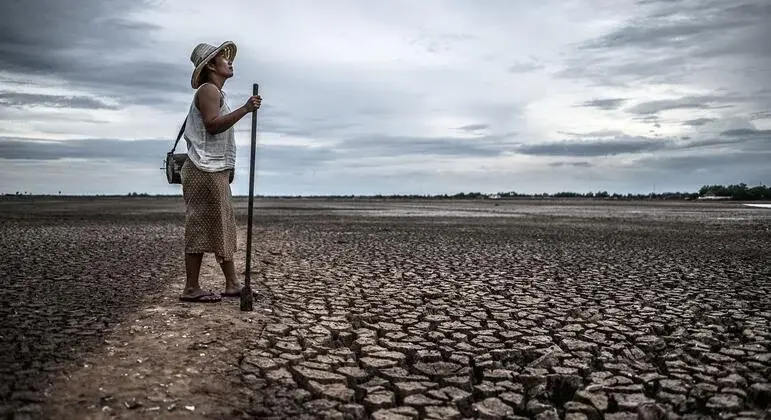
The UN Environment Programme (UNEP) confirms that global temperatures will inevitably exceed the 1.5°C Paris Agreement limit within the next few years. While the report acknowledges this overshoot is unavoidable, it argues that a return to 1.5°C by 2050 remains possible if governments aggressively cut emissions and deploy large-scale carbon removal technologies. The briefing highlights the urgent need to limit the peak temperature to 1.8°C to avoid irreversible tipping points, while noting significant skepticism from scientists regarding the feasibility of such rapid intervention.
Key points
- UNEP confirms the 1.5°C threshold will be breached in the coming years, marking a shift from prevention to managing an 'overshoot, peak, and decline' scenario.
- To reverse warming by 2100, global temperatures must peak at no higher than 1.8°C, requiring a halving of global emissions by 2035 and massive carbon dioxide removal (CDR) efforts.
- Current national climate pledges and policies are insufficient, with projected warming reaching 2.8°C by 2100 under existing measures, leaving a substantial emissions gap.
- The report emphasizes that CDR cannot substitute for immediate fossil fuel phaseouts, as scaling up carbon removal by a factor of 100,000 is currently politically and financially implausible.
- Impacts of overshooting 1.5°C include intensified extreme weather, ecosystem collapse, and potential submersion of small island states, with risks intensifying for every additional fraction of a degree.
Background
This development follows earlier warnings in 2026 regarding escalating climate impacts, such as record-breaking heatwaves in Europe and severe flooding in Asia, which underscore the immediate consequences of rising temperatures. The new UNEP report builds on previous UN concessions that the 1.5°C target is no longer achievable without an overshoot, shifting the global focus from strict adherence to the limit to minimizing the duration and magnitude of the exceedance.
How outlets are covering it
UN Secretary-General António Guterres and UNEP Executive Director Inger Andersen emphasize that while the 1.5°C limit will be breached, it remains the ultimate goal, urging 'overshoot of ambition' through rapid fossil fuel phaseouts and adaptation. In contrast, New Scientist and Climate Home News highlight the skepticism of scientists like Reto Knutti and James Dyke, who argue that the required scale of carbon removal is politically unfeasible and that societies should instead prepare for a warmer world. NDTV focuses on the concrete physical impacts, such as glacier loss and sea-level rise, while Climate Home News notes that current policies are far off the track needed to limit warming to 1.8°C. The divergence lies between the UN's call for aggressive mitigation and the scientific community's warning that the proposed solutions may be unrealistic.
Why it matters
The confirmation of a 1.5°C overshoot marks a critical turning point in climate policy, shifting the global strategy from prevention to damage control. This report provides a framework for governments to prioritize immediate emissions cuts and adaptation, but it also highlights the risks of complacency if ambitious targets are not met. The potential for irreversible tipping points, such as ice sheet collapse and Amazon degradation, underscores the urgency of action to protect global stability and human livelihoods.
What to watch
Governments are expected to revise their national climate plans to close the emissions gap and accelerate fossil fuel phaseouts. There will be increased pressure on developed nations to triple adaptation finance and support carbon removal technologies. However, the feasibility of these measures remains uncertain, with ongoing debates about the role of CDR and the need for more realistic adaptation strategies for a warmer world.
- ‘Fight for humanity’: Avoiding a climate catastrophe means acting now UN News
- Overshoot explained: 5 things to understand about a world beyond 1.5°C UNEP - UN Environment Programme
- Can we really reverse global warming after overshooting 1.5°C? New Scientist
- Earth Set To Overshoot Paris Agreement's 1.5 Degree Threshold Of Warming: UN NDTV
- UN sets out narrow path back to 1.5C warming after inevitable overshoot Climate Home News
Want the full story? Read the original reporting
Read on UN News