
Record Ocean Heat and European Droughts Signal Intensifying Climate Extremes
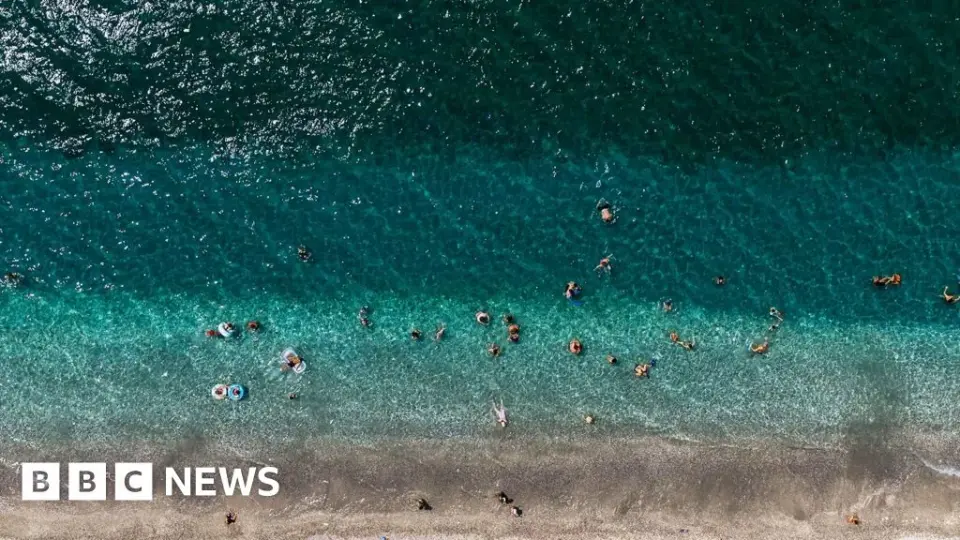
Global ocean temperatures reached a record high in July 2026, while Western Europe endured its hottest June and July on record. These extremes, driven by human-caused warming and developing El Niño conditions, have triggered severe droughts, massive wildfires, and critical water shortages across the continent.
Key points
- The average sea surface temperature outside polar regions reached 20.96C in July, surpassing the previous record of 20.89C set in 2023, according to the EU’s Copernicus Climate Change Service.
- Western Europe recorded an average temperature of 21.62C for June and July, which is 2.79C above the long-term average and the highest two-month total on record.
- Developing El Niño conditions in the Pacific are amplifying global warming, contributing to marine heatwaves along the Atlantic and western Mediterranean.
- Severe droughts have lowered river levels in the Rhine, Seine, and Danube to record lows, forcing temporary shutdowns of nuclear reactors in Hungary and Romania due to insufficient cooling water.
- Wildfires in Spain, France, and Italy have burned over 1.23 million acres, displacing hundreds of thousands of people and generating smoke that affects air quality across the continent.
Background
This follows a series of record-breaking heat events in 2026. In June, global ocean temperatures already hit new highs, signaling a potential shift in climate regimes. Earlier in the summer, Eastern Europe faced extreme heat, with Czechia and Slovakia recording temperatures above 41C. The current situation represents a continuation of these trends, with scientists noting that the climate of the 20th century is effectively gone.
How outlets are covering it
While all sources agree on the record-breaking nature of the heat, they emphasize different consequences. The BBC focuses on the broader implications for sea level rise and marine ecosystems, noting that thermal expansion accounts for a third of sea level rise. CNN highlights the human toll, citing over 25,000 heat-related deaths in Europe and the displacement of people by wildfires. AP News, though largely obscured by technical code in the provided text, aligns with the narrative of unprecedented heatwaves and droughts. The Copernicus Climate Change Service, cited by all, provides the definitive data on temperature anomalies, while the Met Office emphasizes the shift in UK climate norms, noting that the hottest day in southern England is now 4.5C warmer than in the 1961-1990 period.
Why it matters
These events illustrate the compounding effects of climate change, where heat and drought reinforce each other, leading to more intense wildfires and water crises. The record ocean temperatures threaten global sea levels and marine life, while the European droughts expose vulnerabilities in energy infrastructure and agriculture. As El Niño strengthens, these conditions may worsen, requiring urgent adaptation strategies and international cooperation to manage the escalating risks.
What to watch
El Niño is forecast to strengthen in the coming months, potentially pushing global temperatures even higher. In the UK, a fifth heatwave of the year is expected, with officials assessing water shortages and potential new drought declarations. Europe continues to brace for more extreme heat and wildfires, with authorities monitoring river levels and energy supply stability. Long-term, scientists warn that managing water resources will become progressively more challenging as these extreme conditions become the new normal.
- Ocean heat records broken as hottest July temperature recorded BBC
- UK and France prepare for another heat wave as western Europe sets new temperature record AP News
- How the hard reality of climate change hit Europe's economy this summer Reuters
- Western Europe breaks temperature record in summer plagued by heatwaves and wildfires CNN
- Western Europe sets new temperature record as heat waves pummel the region NBC News
Want the full story? Read the original reporting
Read on BBC