
WMO Reports Record 2025 Greenhouse Gas Levels Ahead of COP31
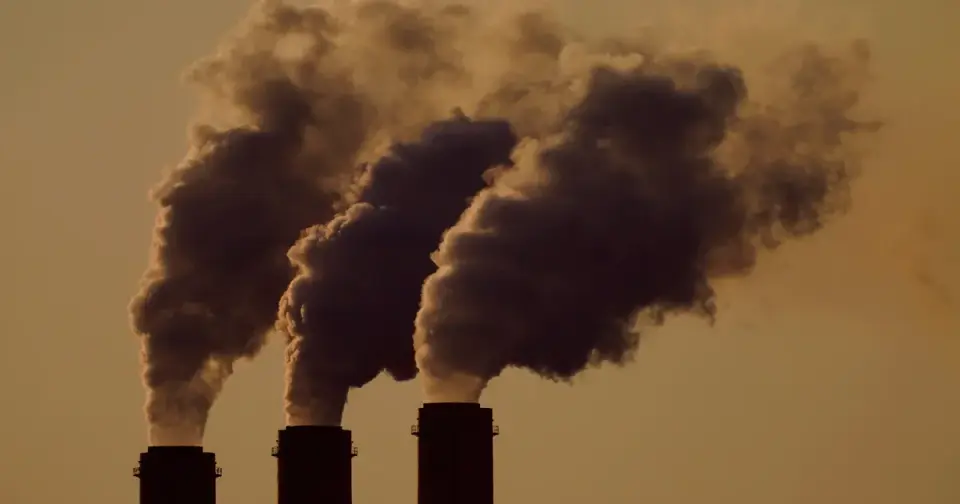
The World Meteorological Organization (WMO) confirmed that global concentrations of carbon dioxide, methane, and nitrous oxide reached record highs in 2025. These levels lock in long-term warming, with CO2 now at 153% of pre-industrial levels. The report warns that a new El Niño event in 2026 will likely further reduce land carbon sinks, accelerating concentration growth.
Key points
- CO2 reached 426.8 ppm in 2025, a 2.8 ppm increase from 2024, which is above the decade average but lower than the 2023-2024 surge.
- Methane and nitrous oxide also hit record levels, contributing to an unprecedented amount of heat trapped in the atmosphere.
- WMO warns that a powerful El Niño developing in 2026 will likely impact land carbon sinks, leading to further concentration increases.
- The report highlights rising levels of molecular hydrogen and sulfur hexafluoride as potential threats to the energy transition.
- The bulletin was released ahead of the COP31 climate summit in Antalya, Turkey, scheduled for November 9-20, 2026.
Background
This report follows a BioScience analysis in October 2026 that identified accelerating feedback loops and record-low glacier thickness. It also coincides with delays in stricter corporate emissions reporting rules by the Greenhouse Gas Protocol, highlighting ongoing challenges in aligning corporate accountability with atmospheric data.
How outlets are covering it
While all sources agree on the record-breaking nature of 2025 gas levels, they emphasize different implications. CBS News and the WMO focus on the long-term persistence of CO2 and the impact of El Niño on carbon sinks. New Scientist highlights the broader failure to rein in emissions and the indirect warming effects of hydrogen. UN News stresses the immediate intensification of extreme weather events, noting that radiative forcing has increased by 56% since 1990. The WMO report uniquely details the risks posed by sulfur hexafluoride and hydrogen leakage during the energy transition, warning that these could undermine decarbonization efforts.
Why it matters
These record levels confirm that current mitigation efforts are insufficient to prevent long-term climate impacts. The anticipated El Niño in 2026 threatens to further reduce the planet's ability to absorb carbon, potentially accelerating warming. This data provides critical scientific backing for negotiations at COP31, where delegates must translate commitments into concrete actions to address the rising threat of extreme weather and economic risks.
What to watch
The WMO expects CO2 concentrations to rise further in 2026 due to continued fossil fuel burning and the developing El Niño. Negotiations at COP31 in Antalya will focus on turning climate commitments into concrete actions, with particular attention to monitoring and regulating trace gases like hydrogen and sulfur hexafluoride to ensure the energy transition does not inadvertently worsen climate outcomes.
- Greenhouse gas levels set records in 2025, U.N. says, expressing alarm CBS News
- Major greenhouse gases rise again to record levels New Scientist
- UN body: Atmospheric CO2 reached record level in 2025 Yahoo
- Record carbon dioxide levels will impact us for centuries, says UN weather agency UN News
- Greenhouse gas levels once again reach record high World Meteorological Organization WMO
Want the full story? Read the original reporting
Read on CBS News