Tag

Wmo

All articles tagged with #wmo

El Niño Could Stretch to 2028 as Heat Records Persist, UN Warns
environment1 day ago

El Niño Could Stretch to 2028 as Heat Records Persist, UN Warns

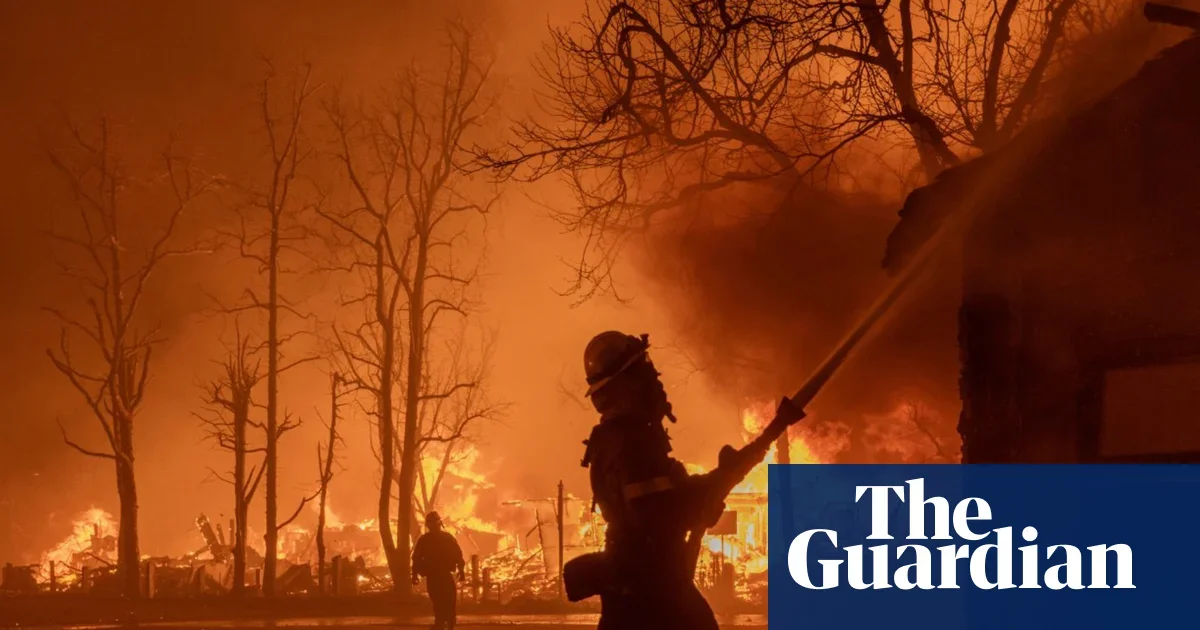
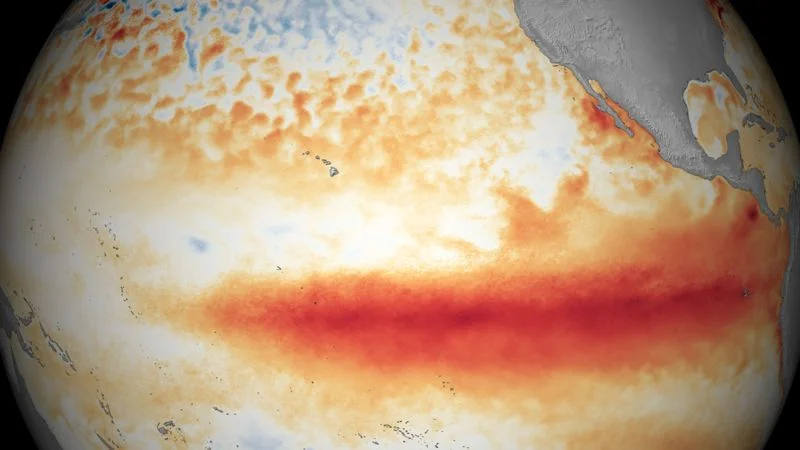
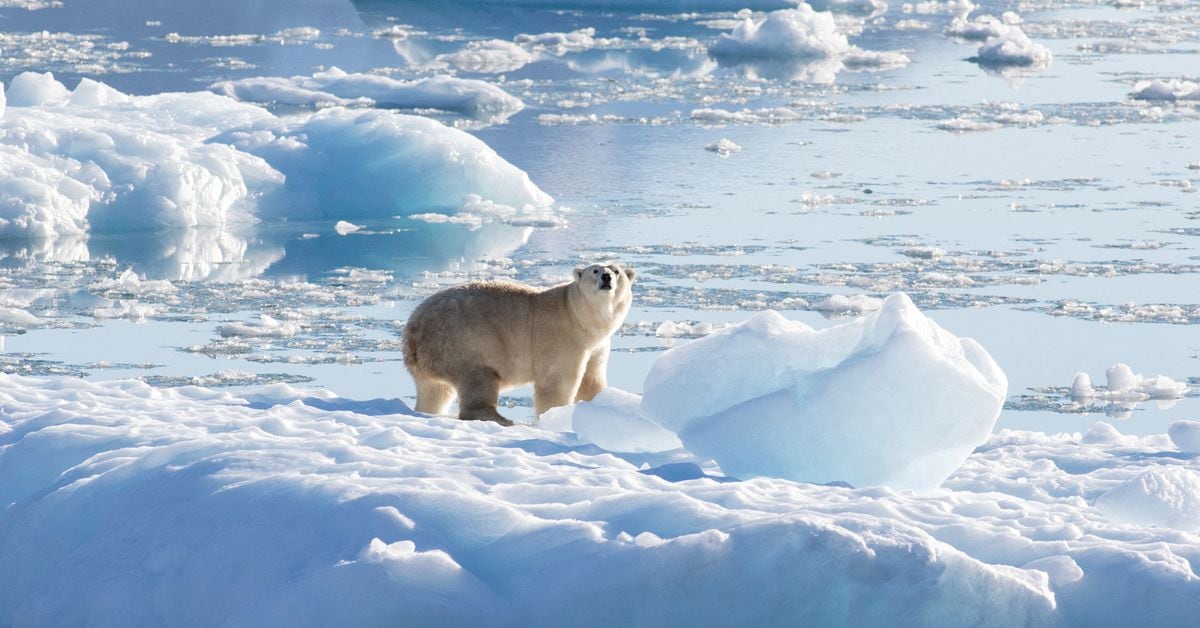
The UN climate projections from the WMO and UK Met Office warn that a strong El Niño could linger into 2027–2028, boosting global temperatures and making it likely that the 2026–2030 period will exceed the Paris 1.5°C threshold. There’s a 91% chance at least one year will surpass 1.5°C and an 86% chance a year will break the 2024 hottest-year record, with Arctic warming about 3.5 times faster than the global average. The report also foresees shrinking Arctic sea ice, hotter and drier Amazon conditions with higher wildfire risk, potential rainfall increases but flood risk in the Sahel, and record heat events in Europe, underscoring that every 0.1°C of warming raises impacts and the need to curb fossil fuels.

Heat at the brink: UN warns global food systems face widening crisis
world1 month ago

Heat at the brink: UN warns global food systems face widening crisis

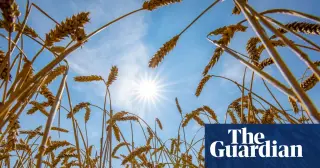
Extreme heat is increasingly pushing global food systems to the edge, according to a joint FAO–WMO report, with farmers in hot regions unable to work safely for up to about 250 days a year, livestock stressed, and yields of crops like maize and wheat falling as temperatures rise; ocean heatwaves are depleting oxygen and shrinking fish stocks, while forecasts and mobile alerts could help farmers prepare. The report warns that adaptation—ranging from worker protections and debt relief to more diverse, nature-friendly farming—must be scaled up now to prevent cascading price shocks and a deeper crisis, as temperatures above 30C begin to cut crop yields and heat stress starts around 25C for livestock.

Earth’s Energy Imbalance Reaches Record High as Climate Emergency Deepens
world2 months ago

Earth’s Energy Imbalance Reaches Record High as Climate Emergency Deepens

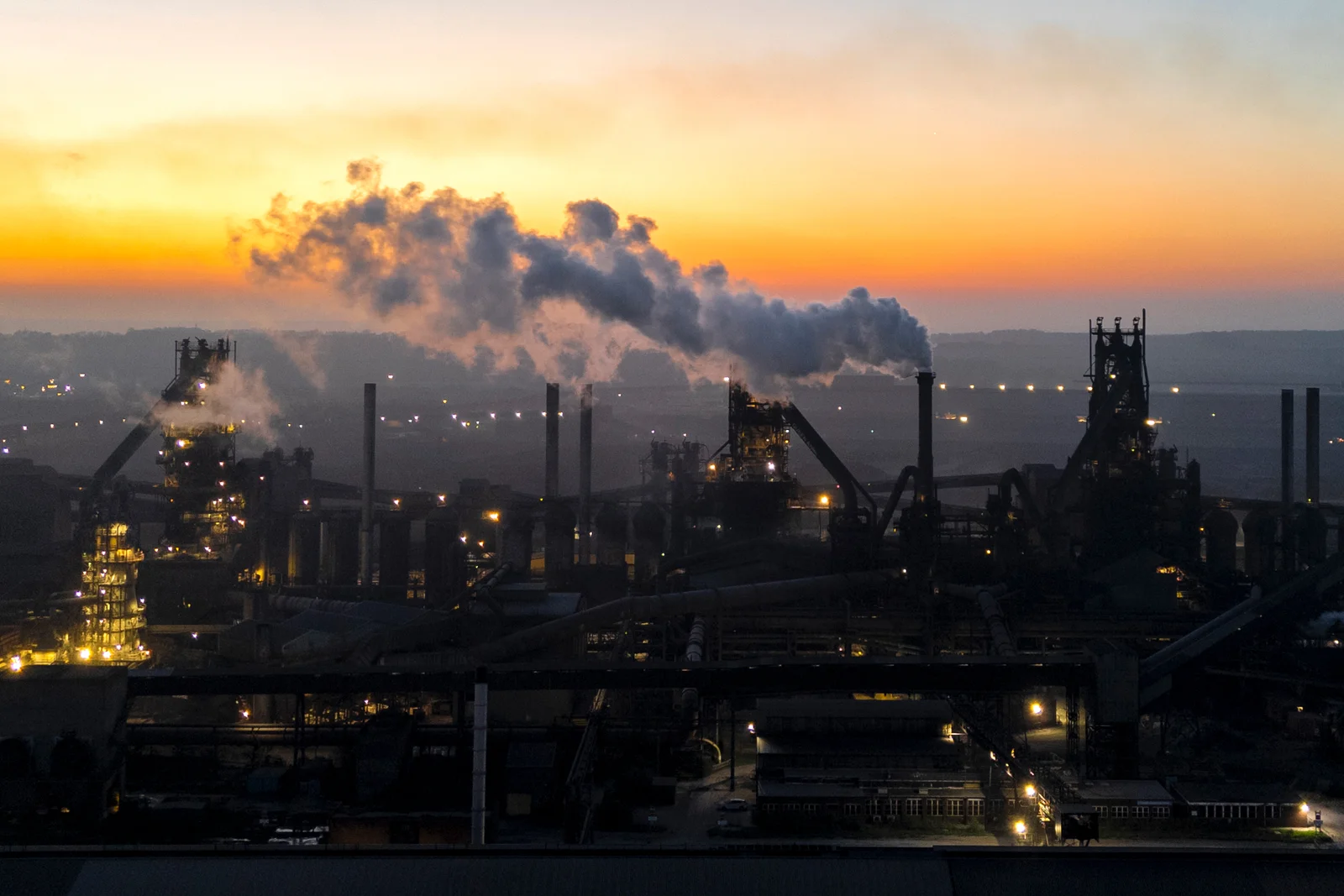
The World Meteorological Organization’s State of the Global Climate report warns Earth is in a climate emergency, with the planet’s energy imbalance at a record high as greenhouse gas concentrations trap more heat; heat is accumulating primarily in the oceans, driving record temperatures and increasing droughts, heatwaves, floods and other impacts, underscoring the need for a rapid shift to renewable energy to protect climate and security.

2023: Hottest Year on Record Triggers UN 'Red Alert' on Climate Crisis
environment2 years ago

2023: Hottest Year on Record Triggers UN 'Red Alert' on Climate Crisis

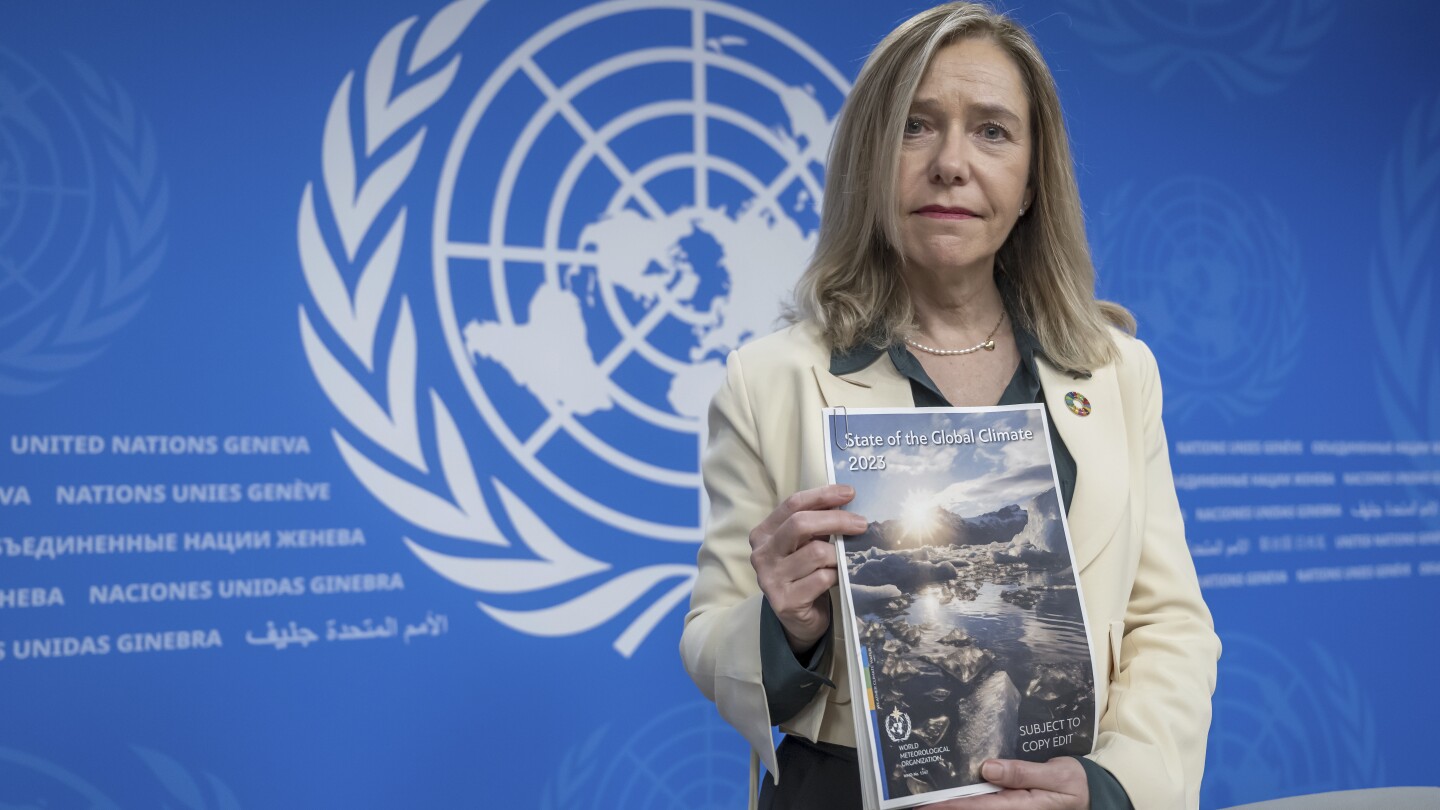
The World Meteorological Organization (WMO) has issued a "Red Alert" as it reports that 2023 broke every major global climate record, with average temperatures reaching the highest level in 174 years and ocean temperatures hitting the warmest in 65 years. The WMO expressed particular concern about ocean heat and shrinking sea ice, emphasizing the irreversible nature of ocean warming and its detrimental impact on marine ecosystems and food systems. The report also highlighted the high probability of 2024 setting new heat records, with a significant plunge in Antarctic sea ice and a doubling of the rate of sea-level rise over the past decade. WMO Secretary-General Celeste Saulo stressed the urgent need to scale up climate action to mitigate the increasingly frequent and extreme climate events.

"UN Issues 'Red Alert' as Earth Nears Key Warming Threshold Amid Record Heat and Ice-Melt"
environment2 years ago

"UN Issues 'Red Alert' as Earth Nears Key Warming Threshold Amid Record Heat and Ice-Melt"

The UN weather agency has issued a "red alert" on climate change, citing record increases in greenhouse gases, land and water temperatures, and ice melt, warning that efforts to reverse the trend have been inadequate. The agency's report indicates a high probability of 2024 being another record-hot year, with the 12-month period from March 2023 to February 2024 averaging 1.56°C higher than pre-industrial levels. UN Secretary-General Antonio Guterres described the planet as being on the brink, with fossil fuel pollution causing climate chaos. Despite the distressing findings, the report also notes a glimmer of hope in the rise of renewable energy generation capacity, but emphasizes the urgent need for greater climate action.

Accelerated Sea Level Rise Threatens Pacific Islands, Warns WMO
environment2 years ago

Accelerated Sea Level Rise Threatens Pacific Islands, Warns WMO

Sea levels in the South-West Pacific are rising faster than the global average, posing a threat to low-lying islands and their inhabitants. The World Meteorological Organization (WMO) reported that water levels are increasing at a rate of about 4 mm per year in some areas, slightly above the global mean rate. This could lead to the flooding and destruction of agricultural and habitable lands in countries like Tuvalu and the Solomon Islands. Additionally, the region has experienced marine heatwaves, damaging marine ecosystems and impacting local communities. The WMO warned that the return of El Niño this year would further exacerbate the situation, bringing higher temperatures, disruptive weather patterns, and more marine heatwaves.

Scientists Warn of Impending Global Temperature Breach in Next 5 Years.
climate-change3 years ago

Scientists Warn of Impending Global Temperature Breach in Next 5 Years.

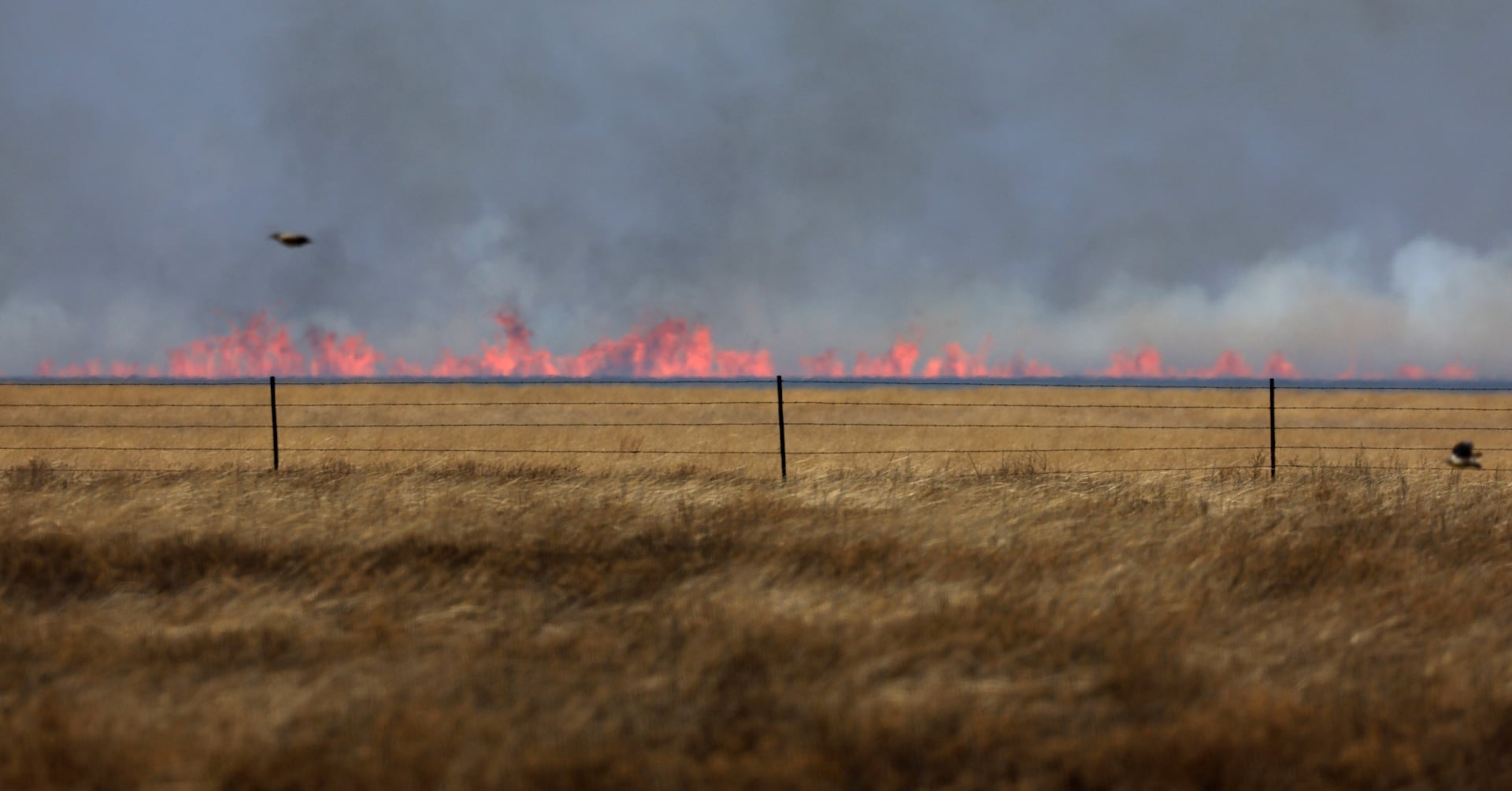
The World Meteorological Organization warns that global temperatures could temporarily breach the 1.5 degree Celsius benchmark outlined in the Paris Climate Accords in the next five years due to the overlap of El Niño and human-caused climate change. The WMO predicts a 66% chance of this happening and a 98% likelihood that at least one of the next five years will be the warmest on record. The warming climate has been linked to more extreme weather patterns, wildfires, and increased areal coverage of land burned.

World on track to surpass critical climate threshold within next decade.
climate-change3 years ago

World on track to surpass critical climate threshold within next decade.

The World Meteorological Organization warns that the world is on track to breach a key climate threshold for the first time within the next five years due to heat-trapping pollution and a looming El Niño. There is a 66% chance that the planet’s temperature will climb above 1.5 degrees Celsius of warming above pre-industrial levels for at least one year between 2023 and 2027. Breaching the 1.5-degree threshold may only be temporary, but it would be the clearest signal yet of how quickly climate change is accelerating. Countries pledged in the Paris Climate Agreement to limit global warming to well below 2 degrees, and preferably to 1.5 degrees, compared to pre-industrial temperatures.

1.5C Climate Threshold Imminent: WMO and UN Warn of Impending Global Warming Crisis
climate-change3 years ago

1.5C Climate Threshold Imminent: WMO and UN Warn of Impending Global Warming Crisis

The World Meteorological Organization (WMO) has warned that global temperatures are now more likely than not to breach 1.5 degrees Celsius of warming within the next five years, with a 66% chance of temporarily reaching 1.5C by 2027. This is the first time in history that it's more likely than not that we will exceed 1.5C. The El Niño weather pattern expected to develop in the coming months will combine with human-induced climate change to push global temperatures into uncharted territory. The WMO also found a 98% chance that one of the next five years will be the hottest on record, surpassing 2016 which saw global temperature impacted by about 1.3C of warming.

Global Climate Crisis: Worsening Human, Economic, and Environmental Toll.
climate-change3 years ago

Global Climate Crisis: Worsening Human, Economic, and Environmental Toll.

The World Meteorological Organization (WMO) has released its latest State of the Global Climate report, which shows that the last eight years were the warmest on record, and that sea level rise and ocean warming hit new highs. The report highlights the importance of investing in climate monitoring and early warning systems to help mitigate the humanitarian impacts of extreme weather. The WMO also stresses the need for deeper, faster emissions cuts and massively scaled-up investments in adaptation and resilience, particularly for the most vulnerable countries and communities.