
Moscow Region Faces Massive Drone Assault as Russia Shifts to Jet-Powered Attacks on Ukraine
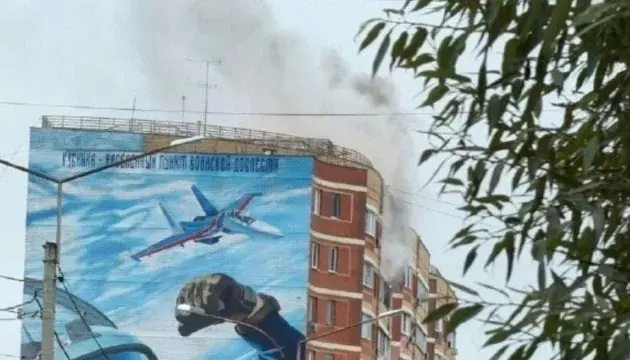
A massive overnight drone attack struck the Moscow region, with 116 drones shot down near the capital and 416 intercepted across Russia. Simultaneously, Russia is deploying faster jet-powered drones against Ukraine, overwhelming Kyiv's air defenses and marking a new phase in the conflict.
Key points
- Moscow Mayor Sergei Sobyanin reported 116 drones shot down approaching the capital since midnight on September 3.
- Russia's Defense Ministry stated air defenses intercepted 416 UAVs overnight across 14 regions, including Belgorod, Bryansk, and the Moscow region.
- Moscow Region Governor Andrei Vorobyov confirmed strikes on Kubinka and Pavlovsky Posad, with a factory fire reported in Bolshoye Bunkovo.
- An OSINT analysis by ASTRA placed a damaged building in Kubinka approximately 5 kilometers from the Kubinka airbase.
- Vnukovo and Sheremetyevo airports suspended operations for the second consecutive night following warnings from President Zelensky regarding airspace safety.
- Russia is increasingly using jet-powered drones against Ukraine, which fly nearly twice as fast as older propeller models and are harder to intercept.
Background
This escalation follows a series of large-scale drone exchanges in August 2026, where Ukraine launched hundreds of drones targeting Moscow region logistics hubs, including Wildberries warehouses, while Russia conducted multi-front strikes on Ukrainian industrial sites like the Kryvyi Rih steel plant. The current events represent a continuation of this high-intensity aerial warfare, with both sides expanding the geographic scope and technological sophistication of their attacks.
How outlets are covering it
Ukrinform and BBC Russian service focus on the scale of the defensive response in Russia, highlighting the 416 drones shot down and specific damage in the Moscow region. The New York Times and The Washington Post emphasize the offensive shift by Russia, detailing the introduction of jet-powered drones that are faster and harder to intercept than previous models. CNN highlights Ukraine's urgent need to develop new interceptors to counter this evolving threat. While Russian officials emphasize the success of their air defenses, Western outlets focus on the strategic implications of Russia's new weaponry and the strain it places on Ukrainian defenses.
Why it matters
The simultaneous escalation in both directions indicates a critical shift in the war's dynamics. The use of jet-powered drones by Russia threatens to overwhelm Ukrainian air defenses, potentially increasing casualties and infrastructure damage. Conversely, the massive drone attacks on Moscow demonstrate Ukraine's growing capability to strike deep into Russian territory, disrupting logistics and causing significant economic and social disruption. This arms race is defining the current phase of the conflict, with both sides adapting to new technologies and tactics.
What to watch
Ukraine is racing to develop new interceptors to counter Russia's jet-powered drones, while Russia continues to expand its use of these faster, harder-to-intercept weapons. The suspension of airport operations in Moscow suggests that the threat to civilian infrastructure and transportation remains high. Future developments will likely see continued escalation in both the frequency and technological sophistication of drone attacks, with both sides seeking to gain an advantage in this high-tech arms race.
- Moscow and region under drone attack since midnight Ukrinform
- The New Jet-Powered Drones That Are Breeding Anxiety in Ukraine The New York Times
- The Ukraine Drones That Are Carrying a Bigger Punch, Deeper Into Russia WSJ
- Ukraine racing to develop new interceptors as Russian drones and missiles ravage the country CNN
- Russia’s jet-powered drones are overwhelming Ukraine’s air defenses The Washington Post
Want the full story? Read the original reporting
Read on Ukrinform