
Russian strikes damage Kyiv infrastructure ahead of Abu Dhabi talks
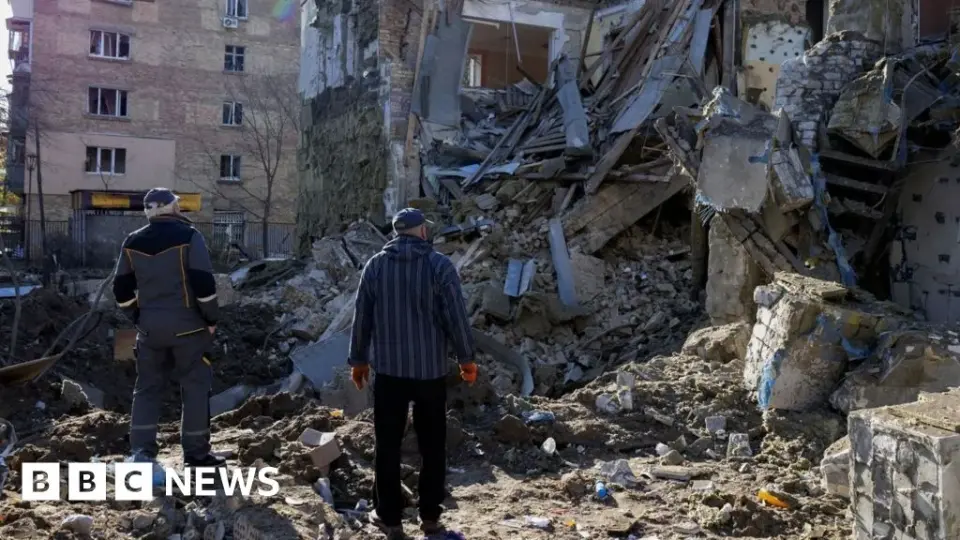
Russian forces launched a large-scale attack on Ukraine, damaging energy infrastructure and civilian buildings in Kyiv and other regions. President Volodymyr Zelensky reported that 12 regions were targeted, with over 170 drones and 30 ballistic missiles used. The strikes caused blackouts and water supply disruptions, injuring nine people. These attacks occurred three days before scheduled trilateral talks in Abu Dhabi, which Zelensky described as a Russian attempt to pressure Ukraine before negotiations.
Key points
- Zelensky stated that 12 Ukrainian regions were attacked, with Kyiv suffering the most damage, including to substations linking nuclear power plants to the capital.
- The attack involved more than 30 ballistic missiles and over 170 drones, resulting in nine reported injuries, including one child, across the country.
- Kyiv Mayor Vitali Klitschko reported that debris damaged a five-storey apartment building and a kindergarten, while water supplies were temporarily disrupted before returning to normal.
- Energy Minister Denys Shmyhal confirmed power cuts in five regions but did not specify the number of affected households.
- The strikes occurred ahead of trilateral talks in Abu Dhabi, which Zelensky said Moscow was preparing for by targeting critical infrastructure.
Background
This escalation follows a localized ceasefire in Oleshky in October, which allowed humanitarian aid but expired shortly before a deadly strike on an aid center in Zaporizhzhia. Previous months saw repeated Russian strikes on Kyiv’s infrastructure, including the South Bridge metro line and power plants, often coinciding with diplomatic efforts. The current attacks occur amid broader diplomatic activity, including US-led discussions in Brussels on post-war security guarantees and reconstruction funding.
How outlets are covering it
BBC emphasizes the scale of the attack, noting 12 regions were hit and highlighting Zelensky’s claim that Russia is targeting critical infrastructure to influence upcoming talks. Al Jazeera focuses on the immediate impact in Kyiv, detailing injuries and damage to residential buildings, while noting that the attacks occurred three days before US-led talks in Abu Dhabi. Both sources agree on the timing relative to diplomatic efforts but differ in emphasis: BBC highlights the national scope and energy grid damage, while Al Jazeera focuses on local civilian impact and the broader diplomatic context involving US and European allies.
Why it matters
The attacks demonstrate that military operations continue despite diplomatic efforts, potentially undermining the credibility of upcoming peace talks. Damage to energy infrastructure during early winter exacerbates civilian hardship and could influence public opinion and international support for Ukraine. The timing suggests a strategic attempt by Russia to leverage military pressure in negotiations, while Ukraine seeks to secure long-term security guarantees from Western allies.
What to watch
Trilateral talks between Ukraine, Russia, and the US are scheduled to begin in Abu Dhabi next week. Ukraine is seeking specific security guarantees and increased sanctions pressure on Russia, while the US and European allies are discussing post-war reconstruction and funding. The outcome of these talks will determine whether a broader ceasefire or peace agreement is possible, or if military operations will continue.
- Ukraine's power network suffers further damage after fresh Russian strikes BBC
- Blackouts and water shortages in Kyiv after Russia strikes Ukraine’s energy grid The Guardian
- Missile attacks wound 9 as Ukraine prepares for talks with Russia and the US AP News
- Russia says it hit targets in and around Kyiv in massive overnight strike Reuters
- Russia launches missile attack on Kyiv, injuring residents Al Jazeera
Want the full story? Read the original reporting
Read on BBC