
Ukraine strikes multiple Russian refineries, causing fires and casualties in Tatarstan
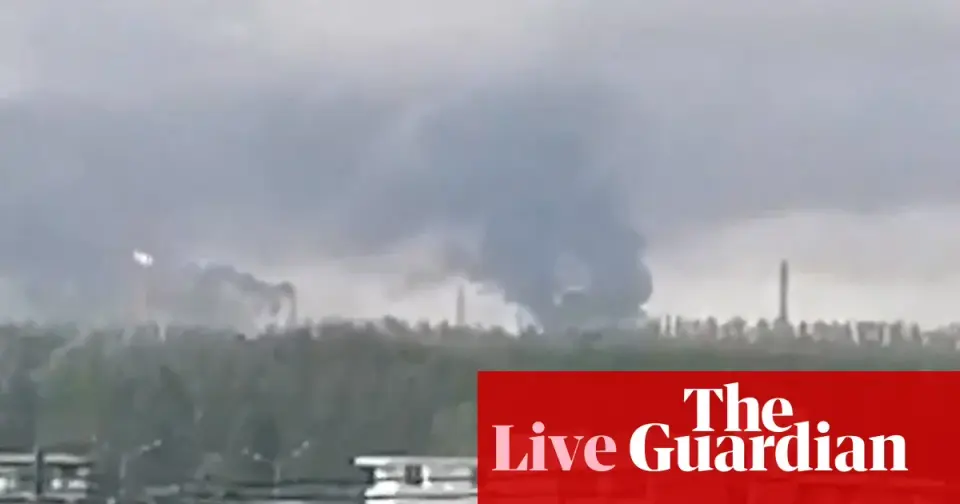
Ukraine’s military confirmed long-range drone strikes on the Taneko oil refinery in Nizhnekamsk, Tatarstan, causing a fire and significant casualties. Russian authorities reported 13 deaths and 75 injuries, including a child, while Kyiv framed the attack as a blow to Moscow’s war financing. Simultaneously, Ukrainian forces targeted refineries in Bashkortostan, Yaroslavl, Krasnodar, and Samara, alongside Black Sea vessels. These strikes follow a pattern of escalating attacks on Russian energy infrastructure, aiming to disrupt fuel supplies and economic revenue. In response, Russia opened a criminal investigation, labeling the Nizhnekamsk attack a 'terrorist' act, while Ukraine continued its campaign despite facing increased Russian missile barrages and depleted air defenses.
Key points
- Ukraine confirmed strikes on the Taneko refinery in Nizhnekamsk, Tatarstan, resulting in a fire and 13 confirmed deaths, including a child, with 75 injured.
- Russian authorities declared a day of mourning in Tatarstan and opened a criminal investigation, characterizing the attack as terrorism.
- Ukrainian forces also targeted refineries in Bashkortostan, Yaroslavl, Krasnodar, and Samara, as well as vessels in the Black Sea.
- The Yaroslavl refinery, one of Russia’s largest, suffered damage to storage tanks but reported no fatalities, only four injuries.
- Zelenskyy linked these strikes to pressuring Moscow’s oil revenues, while Ukraine faces a shortage of Patriot interceptor missiles due to global demand.
Background
This escalation follows a series of Ukrainian drone strikes on Russian energy infrastructure in June and July 2026, including targets in Saratov and Slavyansk-na-Kubani. These attacks are part of a broader strategy to degrade Russia’s economic potential and fuel supply chain. Previous strikes had already prompted Russian warnings of a 'difficult period' and retaliatory measures. The current wave of attacks coincides with increased Russian missile strikes on Ukrainian cities, highlighting a reciprocal escalation in the conflict.
How outlets are covering it
The Guardian and Reuters emphasized the human toll in Nizhnekamsk, noting 13 deaths and 75 injuries, with the Uzbek consulate confirming seven of the dead were Uzbek citizens. Russian officials, including Tatarstan’s head Rustam Minnikhanov, condemned the attack as terrorism and declared a day of mourning. In contrast, CNBC and NBC News focused on the strategic impact, highlighting strikes on major refineries in Yaroslavl and Bashkortostan, and the broader goal of limiting Russian oil revenues. Ukrinform provided specific details on the Ilsky and Syzran refineries, noting their capacities and roles in supplying the Russian military. While all sources agree on the occurrence of strikes, they differ in emphasis: Russian sources focus on civilian casualties and condemnation, while Ukrainian and Western sources highlight the strategic and economic implications for Russia’s war effort.
Why it matters
These strikes represent a significant escalation in the conflict, targeting critical energy infrastructure deep inside Russia. The casualties in Nizhnekamsk, including a child, have heightened international concern and prompted diplomatic responses, such as the UN Security Council meeting on Ukrainian prisoners of war. The attacks aim to disrupt Russia’s oil revenues, which finance the war, and may influence global energy markets. Additionally, the strikes highlight the ongoing struggle for air defense resources, as Ukraine faces a shortage of interceptor missiles, potentially affecting its ability to counter Russian missile barrages. The broader implications include potential retaliatory actions from Russia and increased pressure on Western allies to provide additional military support.
What to watch
Russia is expected to retaliate for the Nizhnekamsk attack, potentially through increased missile strikes on Ukrainian cities. Ukraine may continue targeting Russian energy infrastructure to pressure Moscow’s economy. The UN Security Council meeting on Ukrainian prisoners of war could lead to further diplomatic pressure on Russia. Additionally, Ukraine’s efforts to develop its own ballistic weaponry and secure more Patriot interceptor missiles will be crucial in the coming weeks. The situation may also influence global energy markets and international relations, particularly regarding Western support for Ukraine.
- Ukraine confirms strikes on oil refinery in Russia’s Tatarstan – Europe live The Guardian
- Ukraine’s military hits one of Russia’s biggest oil refineries in long-range drone attack CNBC
- Ukraine strikes more oil facilities deep inside Russia, Zelenskyy says nbcnews.com
- Ukraine Drone Strike Sparks Fire at Russia’s Ilsky Refinery Bloomberg.com
- General Staff: Defense Forces strike two Russian oil refineries and observation post on Sivash drilling rig in Ukrinform
Want the full story? Read the original reporting
Read on The Guardian