
U.S. Air Force seeks cheap gun systems to defend bases from drones
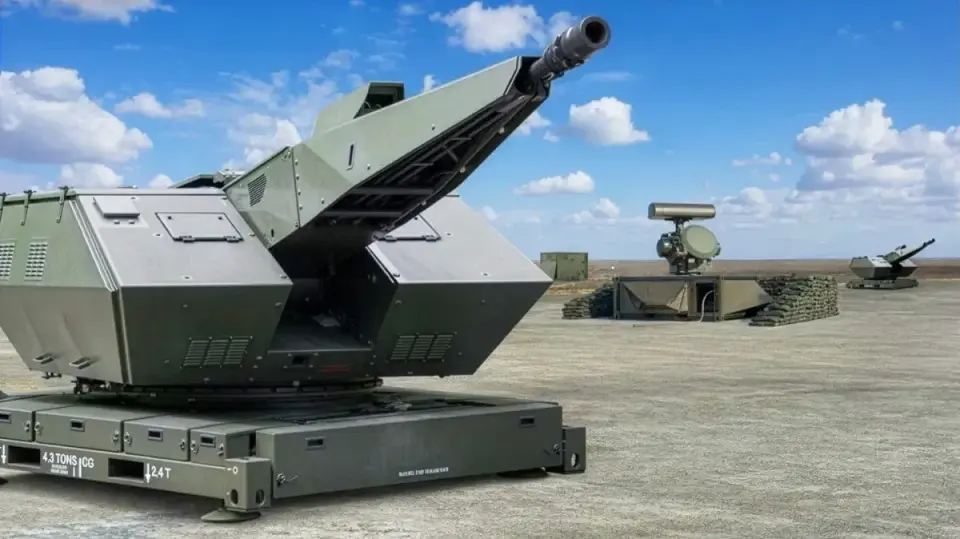
The U.S. Air Force is seeking affordable, mobile gun systems to defend overseas bases from drones and cruise missiles, a capability previously held by the Army. This move follows gaps exposed during the Iran conflict and aims to reduce reliance on expensive interceptors.
Key points
- The Air Force posted a Request for Information for medium-caliber gun systems to protect bases from subsonic cruise missiles and drones.
- The service lacks organic ground-based air defense, a role traditionally performed by the Army, and is now prioritizing this capability.
- The RFI emphasizes rapid deployability, modular design, and low cost-per-engagement to avoid depleting expensive interceptor stocks.
- The Air Force is also investing in missile defense variants and small unmanned air defense systems, with $1.4 billion requested for the latter in FY2027.
- The move is driven by lessons from the Iran conflict and the Ukraine war, where gun systems proved effective against mass drone attacks.
Background
The Air Force has been accelerating cheaper drone programs like the Massed Modular Aircraft to replace lost MQ-9 Reapers, reflecting a broader push for cost-effective defense. This new gun system request complements existing efforts to harden bases and improve organic air defense, moving beyond reliance on high-end interceptors like Patriot PAC-3.
How outlets are covering it
TWZ highlights the Air Force's shift to organic defense and the cost-efficiency of gun systems versus expensive interceptors, noting the Iran conflict exposed gaps. Defense Express emphasizes the proven effectiveness of gun systems in Ukraine and suggests Rheinmetall and Northrop Grumman as likely bidders, while noting the RFI's focus on cost and mobility. Both sources agree on the strategic need but differ in emphasis: TWZ focuses on the Air Force's new role, while Defense Express highlights international options and combat experience.
Why it matters
This move signals a shift in U.S. air base defense strategy, prioritizing cost-effective, mobile systems to counter mass drone and cruise missile threats. It reduces reliance on expensive interceptors and addresses gaps exposed in recent conflicts, potentially influencing future defense procurement and base hardening policies.
What to watch
The Air Force will review proposals submitted by October 9, 2026, and may issue a formal request for proposals. The outcome will determine which systems, if any, are fielded to protect overseas bases, potentially involving domestic or foreign manufacturers like Rheinmetall or Northrop Grumman.
- U.S. Air Force Seeks Anti-Aircraft Guns To Protect Its Overseas Bases TWZ
- USA Seeking New Ground-Based Air Defense Artillery System to Protect Air Bases Abroad Militarnyi
- Ukrainians Have Been Shooting Down UAVs, Missiles by Anti-aircraft Guns for Long Time, So U.S. Wants Arm Itself With Such Air Defense Systems Defense Express
Want the full story? Read the original reporting
Read on TWZ