
War, Weather, and Fertilizer Costs Set Stage for Global Food Price Surge
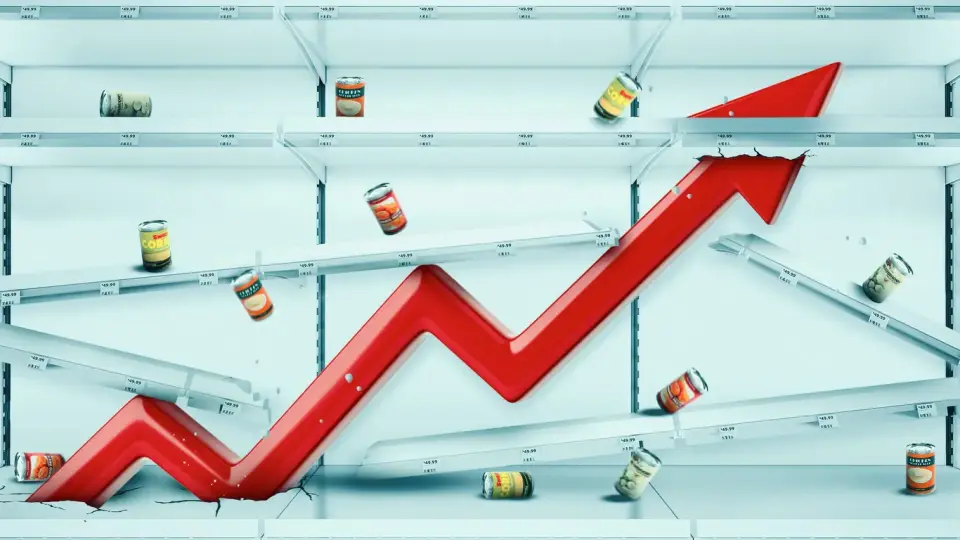
Global food prices are poised for a significant increase in 2027 due to compounding pressures from the Iran and Russia-Ukraine wars, extreme weather, and soaring fertilizer costs. While current grocery inflation is felt in specific items like beef and coffee, analysts warn that rising grain and input costs will soon broaden the impact. J.P. Morgan projects global food inflation could reach 5% by mid-2027, nearly double the current rate, as supply chain disruptions and climate shocks lag behind initial energy price spikes.
Key points
- J.P. Morgan analysts project global food inflation will hit 5% in the first half of 2027, nearly double the rate observed in the first half of 2026.
- Corn and wheat prices have reached their highest levels in three years, driven by bad weather in the U.S. and export disruptions from the Russia-Ukraine war.
- Middle East urea prices have doubled to approximately $800 per metric ton, up from less than $400 a year earlier, due to disruptions in the Strait of Hormuz.
- The Iran conflict has disrupted fertilizer supplies, as a significant portion of global nitrogen fertilizer passes through the Strait of Hormuz, while rising diesel costs increase the expense of farm equipment and transportation.
- U.S. farmers are facing a potential downturn, with the National Corn Growers Association president noting that profitability is difficult to achieve despite higher commodity prices, due to rising input costs.
- Climate-related shocks, including a strong El Niño pattern and wildfires in Europe, are expected to add 0.9 to 3.2 percentage points to global food inflation by 2035, according to European Central Bank economists.
Background
This development follows a period of rising food costs in 2026, where specific categories like beef and coffee saw significant price hikes. Earlier concerns about global supply chain disruptions and geopolitical tensions have now evolved into a broader structural shift in agricultural economics. The current situation builds on previous warnings about the impact of climate change and energy prices on food production, moving from isolated spikes to a sustained, compounding strain on the global food supply chain.
How outlets are covering it
Axios emphasizes the immediate compounding of multiple crises, including war, weather, and fuel costs, as the primary drivers for a broader grocery shock, noting that even farmers are struggling with profitability. The Financial Times frames the issue as a structural shift in global economics, arguing that the end of cheap food will have far-reaching consequences for investors and central banks, potentially influencing interest rates through wage pressures. Srpske Novine focuses on the specific impact of fertilizer prices on Serbia, highlighting that while direct shortages are not imminent, indirect costs through energy and global market movements are already affecting planting decisions. The Kingston Whig, while discussing similar themes, places greater emphasis on corporate 'greedflation' and the lack of competition in the Canadian grocery market, suggesting that some price increases may exceed actual inflation costs, a perspective not shared by the other sources which focus more on supply-side constraints.
Why it matters
The convergence of geopolitical conflict, climate change, and energy price volatility is creating a structural shift in global food economics. This is not just a temporary spike but a potential long-term increase in the cost of living, which could influence monetary policy, consumer behavior, and global trade dynamics. The lag in agricultural impacts means that the full effect of current disruptions may not be felt until 2027, making proactive planning for consumers, businesses, and governments essential.
What to watch
Monitor the impact of the El Niño weather pattern on agricultural yields in South America, Africa, and Asia. Watch for changes in fertilizer supply and pricing as the Strait of Hormuz situation evolves. Track U.S. and global planting decisions for 2026, particularly shifts in corn and soybean acreage, which will affect 2027 harvests. Observe how central banks respond to potential wage pressures driven by higher food costs, and assess the long-term investment implications for agricultural and retail sectors.
Want the full story? Read the original reporting
Read on Axios