
Global Trade Consensus Forms on Excess Capacity Despite US Tariff Friction
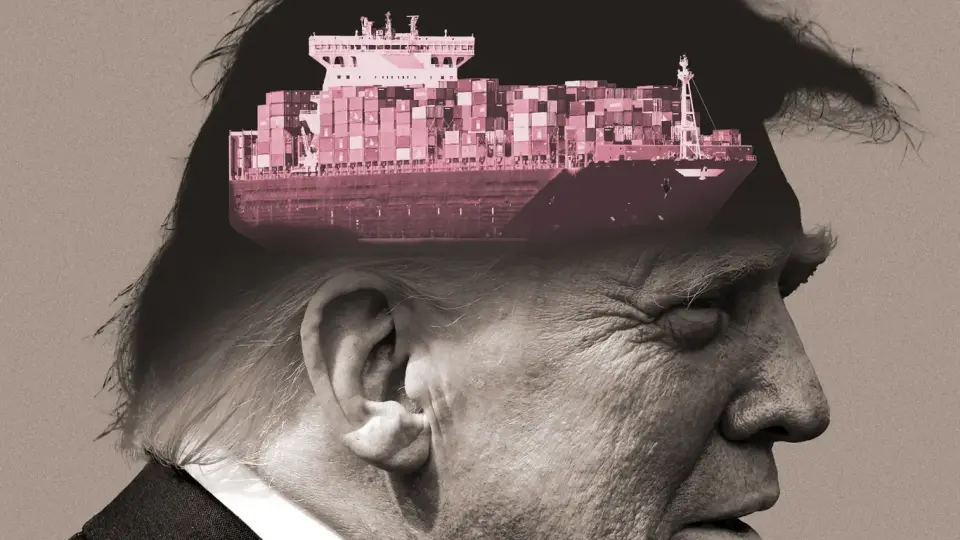
Global trade sentiment is shifting as G20 nations increasingly accept that large trade imbalances and excess production harm domestic industries, a view previously championed primarily by the US. This consensus emerged despite ongoing friction from US tariffs, with new agreements in Milwaukee and Asheville acknowledging the need for evidence-based actions against overcapacity.
Key points
- G20 trade officials in Milwaukee agreed to the 'Milwaukee Framework,' which calls for curbing market-distorting subsidies and monitoring steel imports to address global overcapacity.
- In September, G20 finance ministers in Asheville agreed that persistent trade imbalances can harm other countries, with China being the only member to object to the statement.
- US Trade Representative Jamieson Greer stated that other nations are adjusting to the new international system to maintain access to the US market, noting that such cooperation was unlikely a decade ago.
- EU trade chief Maroš Šefčovič welcomed the focus on excess capacity, as European industries face pressure from cheap imports, leading Europe to consider its own trade barriers.
- Despite the consensus on overcapacity, US trading partners face direct tariffs; for instance, most Canadian steel exports to the US face a 50% tariff, and an import ban on certain Canadian products took effect during the Milwaukee meetings.
Background
This development follows years of US advocacy for rethinking global trade structures. Previous coverage in our archive focused on unrelated topics such as the 9/11 anniversary and health impacts, indicating that this trade shift is a new focal point for 2026. The current consensus marks a departure from the 2015 era, where countries were loath to act on trade distortions despite acknowledging the issues.
How outlets are covering it
Axios emphasizes the diplomatic breakthrough, highlighting how US leverage has forced other nations to accept the diagnosis of trade imbalances and excess capacity, even as they face US tariffs. Techarenan News offers a contrasting view on the broader economic impact, noting that global goods trade grew by 4.5% in 2025 despite tariffs, suggesting that companies are adapting well. While Axios focuses on the political alignment on overcapacity, Techarenan highlights that US importers absorbed 90% of tariff costs, contradicting claims that foreign exporters bore the burden. Both sources agree that the US remains a critical market, but they differ on the immediate economic pain versus long-term structural adaptation.
Why it matters
The shift in global opinion on trade imbalances could lead to a more coordinated international response to overcapacity, potentially reducing reliance on unilateral tariffs. This consensus may stabilize trade relations by addressing root causes of distortions, though it also risks new disputes as countries implement their own protective measures. The ability of companies to adapt, as noted by Techarenan, suggests that the global economy may remain resilient despite these policy shifts.
What to watch
Watch for the implementation of the Milwaukee Framework and potential new tariffs from US probes into 16 economies for excess capacity. Monitor EU responses, as they may introduce harsher tariffs in response to global overcapacity. Additionally, track the impact of US mid-term elections and French elections in 2027 on trade policy stability, as these events could introduce further uncertainty into the global trade landscape.
Want the full story? Read the original reporting
Read on Axios