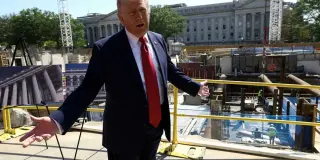
Iowa Steel Deal Faces Scrutiny Over Election Timing
President Trump announced a $15 billion steel plant in Iowa, but the deal faces criticism for its timing just before the midterm elections.

All articles tagged with #steel
President Trump announced a $15 billion steel plant in Iowa, but the deal faces criticism for its timing just before the midterm elections.
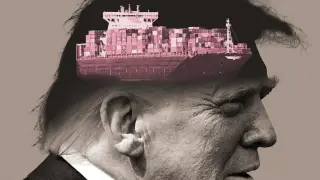
Global trade sentiment is shifting as G20 nations increasingly accept that large trade imbalances and excess production harm domestic industries, a view previously championed primarily by the US. This consensus emerged despite ongoing friction from US tariffs, with new agreements in Milwaukee and Asheville acknowledging the need for evidence-based actions against overcapacity.

President Trump announced a $15 billion steel mill in Iowa, promising 1,750 permanent jobs and 10 million tons of annual production by 2030. The facility, built by Mesabi Metallics, will use iron ore from a new Minnesota mine and is framed as a victory for domestic manufacturing and national security ahead of the 2026 midterms.
President Trump announced a 50% tariff on Canadian vehicles, steel, and parts effective January 1, 2027, following the collapse of trade negotiations. A 50% duty on $20 billion in goods took effect August 22, prompting Canada to vow dollar-for-dollar retaliation. While U.S. officials blame Ottawa for last-minute demands, Canadian leaders accuse Washington of breaking agreements, with both sides now facing rising costs and political friction.
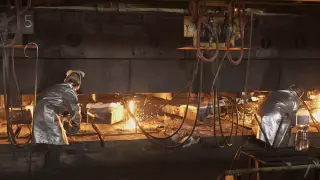
EU-wide quotas cap tariff-free Ukrainian steel at 18.3 million tonnes per year (a 47% cut). Ukraine’s allocated share is only 1.05 million tonnes annually, less than half of its 2024 EU trade, meaning above-quota shipments would face a 50% tariff and could jeopardize production, jobs, and Kyiv’s postwar recovery. Kyiv is pressing Brussels for relief with a September review, while the UK maintains a separate agreement path.
President Trump issues a new proclamation altering the Section 232 tariff regime for aluminum, steel, and copper imports, effective June 8, 2026. The changes expand derivative coverage (including agricultural equipment and certain residential HVAC components) and adjust tariffs: 25% on listed metal products, 10% on derivative articles that are entirely US-made in metal content, and a temporary 15% reduced rate for selected derivative products; aluminum lithographic plates and steel racks are now covered derivatives; the threshold for “made entirely from American” drops from 95% to 85%. For Canada and Mexico under USMCA, 25% applies only to non-U.S. content with a floor of 15%. Beginning 2028, rates will align with Proclamation 11021. The Secretary of Commerce and other agencies will monitor and adjust as needed to address national security concerns and ensure implementation across HTSUS changes.
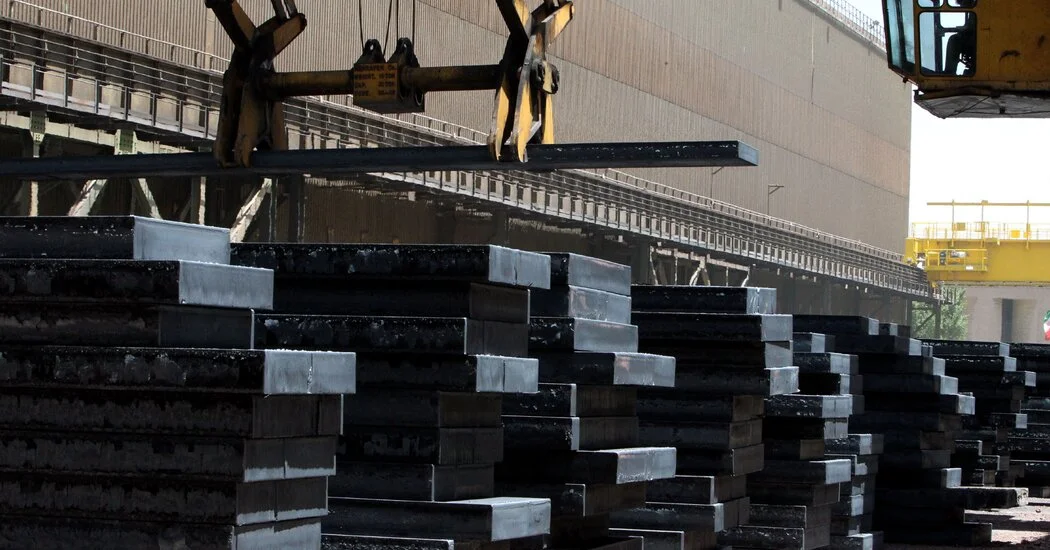
Amid an Israel-U.S. bombing campaign, Iran’s industrial base—most notably Mobarakeh and Khuzestan steel mills—was struck along with other facilities, killing one and injuring dozens; Tehran says the attacks threaten the civilian economy and vows retaliation, while officials note many targets are dual-use and report no radiation leaks at nuclear sites.

Two of Iran's largest steelmakers, Khouzestan Steel (KhSC) and Mobarakeh Steel (MSC), were hit by air strikes attributed to the U.S. and Israel, damaging storage silos and power infrastructure. Initial reports say blast furnaces 1 and 2 at KhSC were offline, while MSC suffered damage to a substation and power units. Production checks are ongoing with potential short-term outages, likely reducing Iran's billet and slab output and exports. The strikes follow a prior attack on Foolad Atieh, and Iran faces gas and power shortages, with officials signaling possible retaliatory actions against Gulf steel producers.
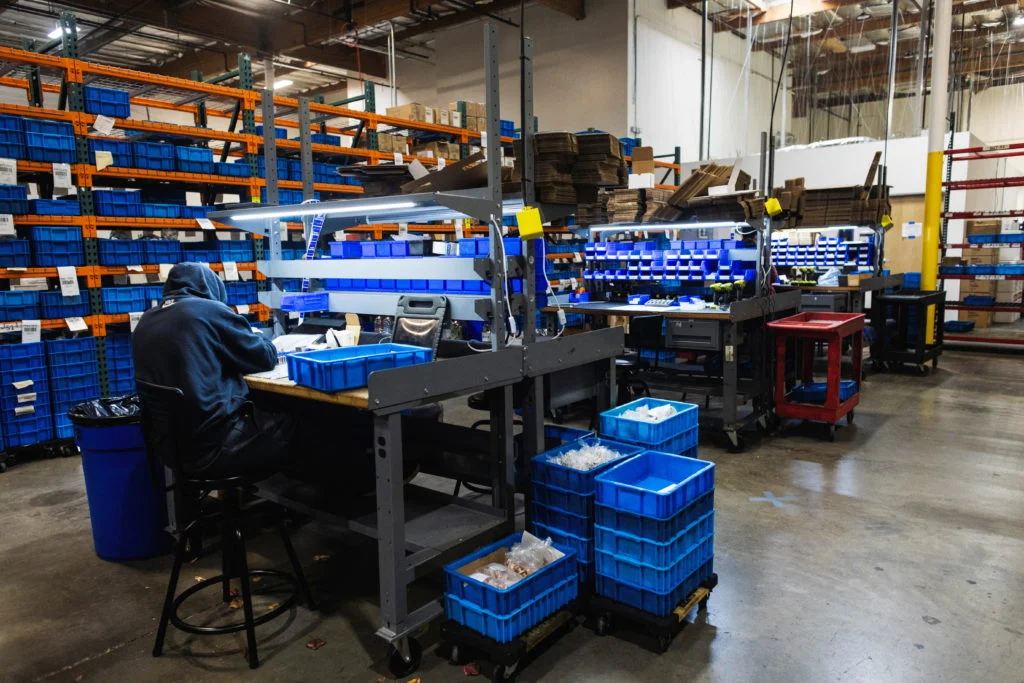
AP reports that tariffs under Trump have raised costs for U.S. manufacturers, causing higher prices, layoffs, and investment uncertainty, with examples like Allen Engineering showing losses; despite White House claims of progress, manufacturing has not rebounded broadly and some construction gains stem from Biden-era policies, while firms pursue tariff refunds and face ongoing policy uncertainty.
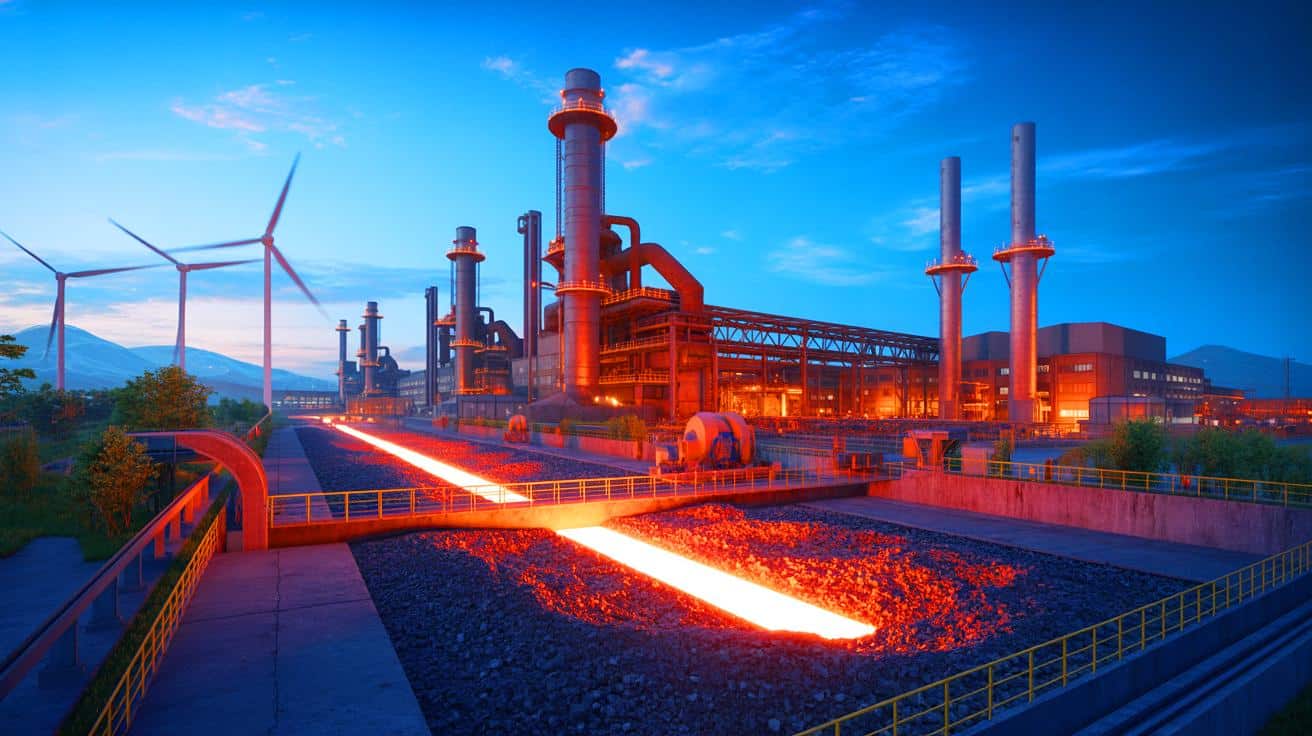
A Swedish company, SSAB, has developed a near-zero carbon steel called SSAB Zero using hydrogen-reduced iron and renewable energy, in collaboration with GE Vernova, marking a significant step towards decarbonizing the steel industry and supporting global sustainability goals.
The Trump Administration has expanded its 50% tariffs on imported steel and aluminum to include 407 categories of derivative products, notably affecting motorcycles and parts, which could lead to higher prices and increased complexity in trade and customs processes. The tariffs apply only to the steel and aluminum content in these products, but the implementation details are confusing and incomplete, impacting a wide range of goods and industries.

The US has implemented a 50% tariff on 407 categories of goods containing steel and aluminum, significantly increasing costs for importers and potentially impacting various industries like construction, automotive, and electronics, amid ongoing trade policy changes under President Trump.
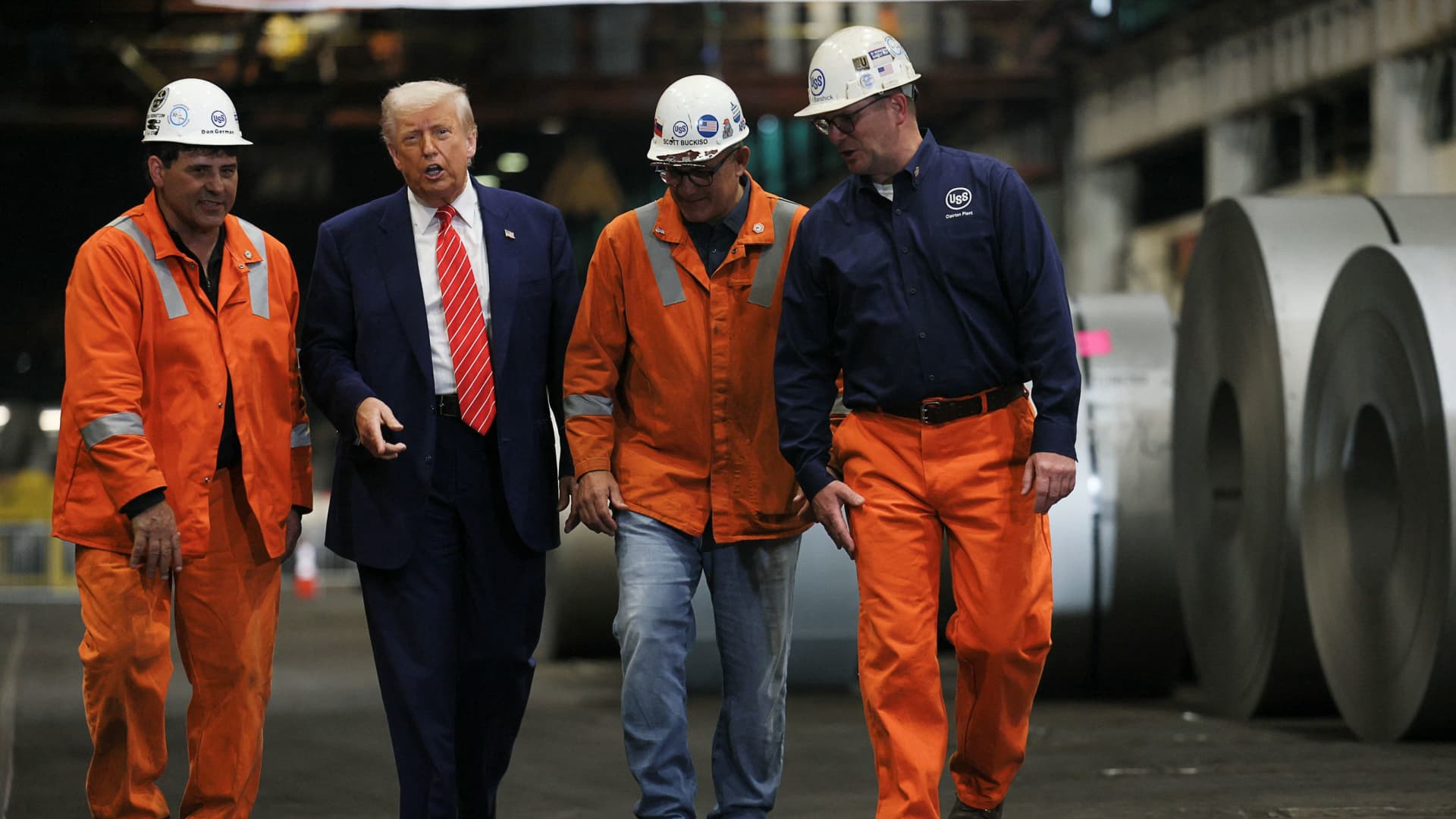
The Trump administration has expanded its 50% tariffs on steel and aluminum to include over 400 additional product categories, affecting products like fire extinguishers, machinery, and construction materials, which could significantly impact trade and increase costs for domestic industries.
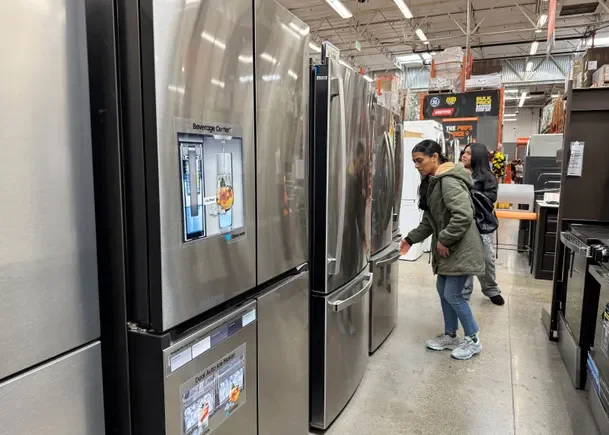
The US has expanded its Section 232 tariffs on steel and aluminum, now including hundreds of products such as household appliances, car parts, and trailers, with a 50% levy effective immediately, impacting imports worth over $320 billion and adding inflationary pressures.
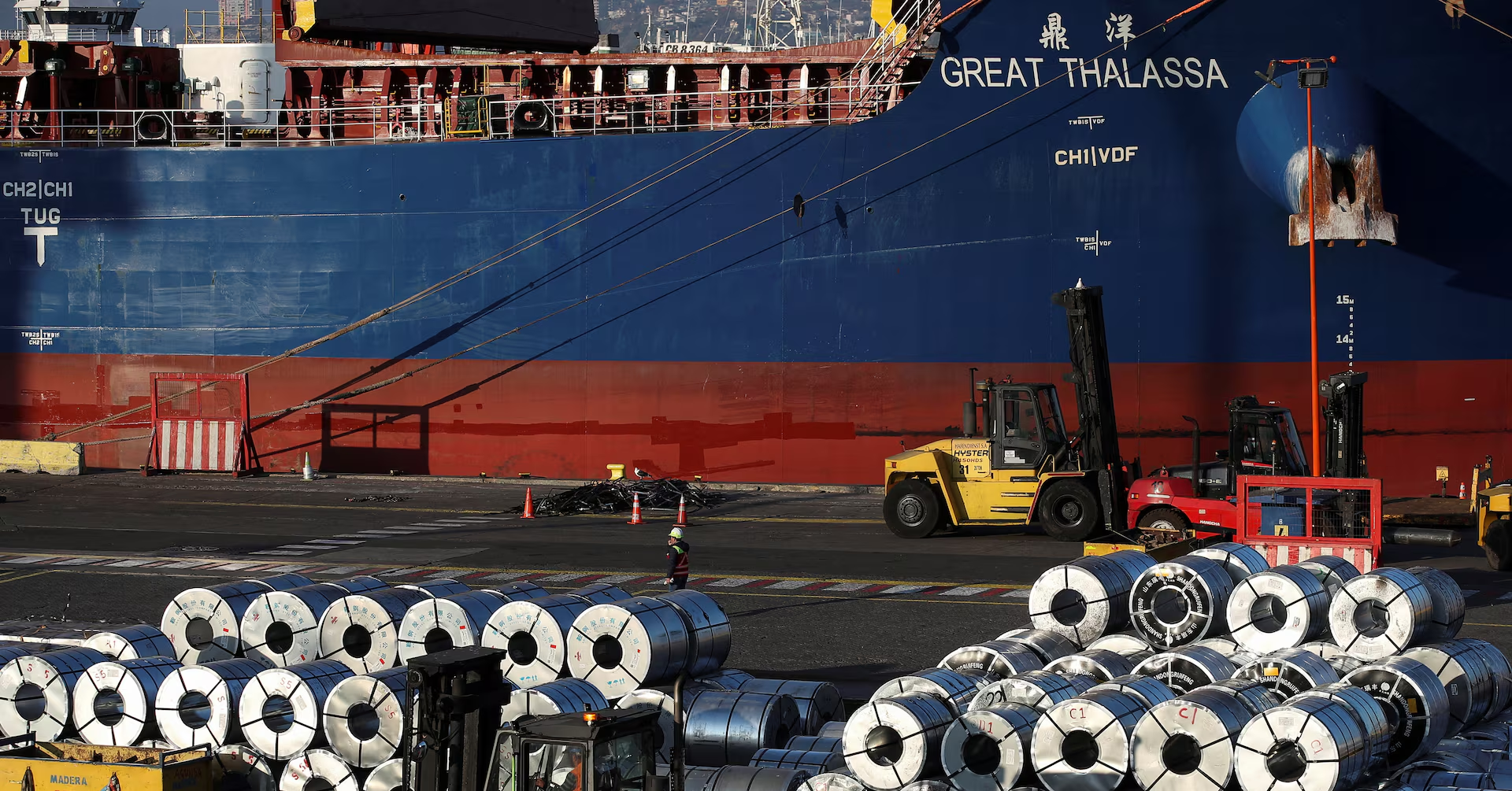
U.S. President Donald Trump announced plans to implement tariffs on steel and semiconductor imports in the coming weeks, with initially lower rates that would increase over time to encourage domestic manufacturing, amidst ongoing trade policy shifts.