
Iran’s Fuel Rationing Deepens as Price Hikes Spark Protests
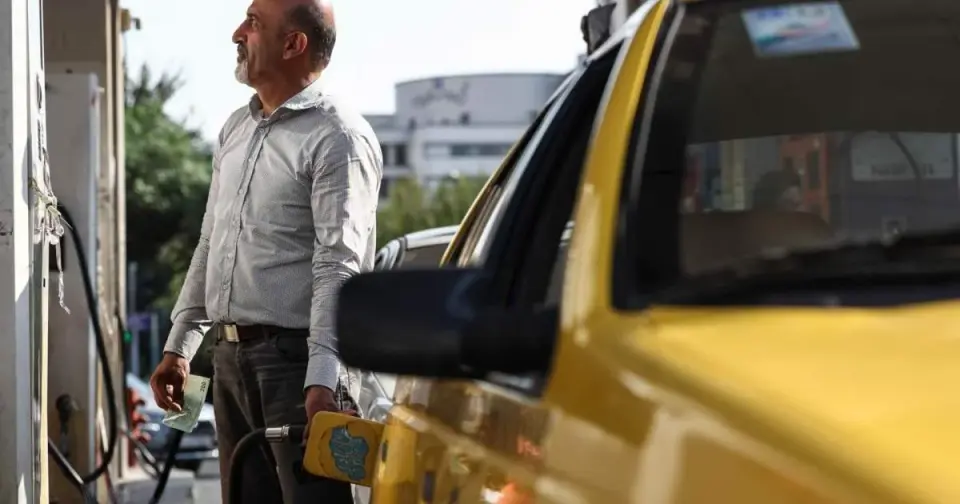
Iran is tightening gasoline rationing without raising subsidized prices, a strategy driven by the memory of the 2019 'Bloody November' crackdown. As supply gaps widen due to war damage and US blockades, the government is withdrawing emergency fuel cards in border provinces to curb smuggling. This has triggered long queues, driver strikes, and public unrest, while officials debate the political risks of any price increase.
Key points
- Vice President Esmail Sagheb Esfahani admitted a severe supply problem, noting that all available gasoline has been distributed with no reserves held back.
- The government is withdrawing station 'emergency' fuel cards in 11 to 12 provinces, primarily along borders with Pakistan, Afghanistan, and Iraq, to combat smuggling.
- Subsidized prices remain frozen at 15,000 and 30,000 rials per liter, worth roughly half a US cent, while a third tier was introduced at 100,000 rials.
- Protests erupted in Bandar Abbas and Kerman, with taxi and truck drivers striking over long queues and empty pumps.
- Iran imports approximately 7 million liters of gasoline daily, but a US naval blockade and war damage have made imports difficult and costly.
Background
This crisis marks the seventh anniversary of the 2019 'Bloody November' protests, which were triggered by a sudden fuel price hike and met with a deadly crackdown. That event has made the government hesitant to raise prices, leading to current rationing measures. The situation is exacerbated by a broader economic collapse, with inflation reaching 89% and the rial losing significant value, forcing households to rely on increasingly expensive premium fuel or endure shortages.
How outlets are covering it
Iran International and NCRI emphasize the political sensitivity of fuel pricing, linking current unrest to the 2019 crackdown and highlighting internal government disputes over communication. Seoul Economic Daily focuses on the immediate impact on drivers, noting strikes by Snapp ride-hailing workers and truckers who cannot afford the new costs. NCRI also points to broader social crises, including unpaid wages and bread shortages, as contributing to public frustration. While all sources agree on the severity of the shortage, they differ on the primary driver: some cite smuggling and border controls, while others emphasize the structural supply gap caused by war and sanctions.
Why it matters
The fuel crisis threatens to destabilize Iran’s economy and social fabric. With inflation soaring and basic necessities like bread becoming unaffordable, the government’s inability to balance supply and demand without raising prices risks triggering a new wave of protests. The reliance on rationing rather than price reform indicates a deepening structural failure, potentially leading to further unrest and economic isolation.
What to watch
The government plans to withdraw emergency fuel cards nationwide within weeks. Officials expect the third-tier price to rise gradually toward 500,000 to 700,000 rials per liter as the blockade persists. Public unrest may intensify if rationing continues without relief, potentially leading to broader strikes and protests across major cities.
- Seven years after ‘Bloody November,’ Iran rations gasoline it dares not reprice Iran International
- Iran’s Fuel Restrictions Raise Unrest Fears as Wage Arrears, Bread Shortages and Social Crises Deepen National Council of Resistance of Iran - NCRI
- Fuel Crisis Persists in Southeastern Iran With Long Queues in Chabahar Free Zone and Iranshahr IranWire
- Iran Doubles Gasoline Price, Sending Drivers Into the Streets Seoul Economic Daily
Want the full story? Read the original reporting
Read on Iran International