
Record droughts and heatwaves force Europe to rethink nuclear expansion plans
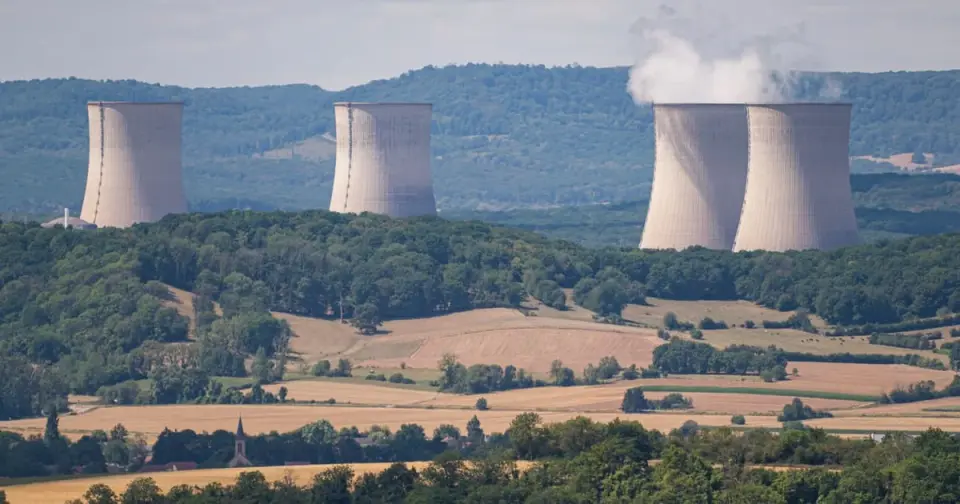
Europe’s push to expand nuclear power to meet net-zero goals is being undermined by climate change, which is causing record droughts and heatwaves that disrupt reactor cooling. In August 2026, extreme weather forced shutdowns or production cuts in France, Hungary, Romania, and Bulgaria. While some nations are adjusting plans or investing in resilience, others remain committed to expansion, highlighting a growing conflict between decarbonization ambitions and climate vulnerability.
Key points
- August 2026 saw record-low river levels and extreme heat across Europe, depriving nuclear plants of the water needed to cool reactors, leading to widespread shutdowns and production cuts.
- France, Hungary, Romania, and Bulgaria all experienced significant disruptions; Hungary slashed production by three-quarters, while Romania shut both reactors and Bulgaria throttled supply.
- Rising river temperatures also triggered shutdowns to protect wildlife, as seen in Switzerland in June, while jellyfish invasions clogged pumping systems at French plants like Gravelines.
- The International Atomic Energy Agency notes that 15% of global reactors depended on strained freshwater sources in 2022, a figure expected to rise to 25% within 20 years, with Europe facing the largest increases in consecutive dry days.
- France’s EDF plans to spend €4.3 billion by 2040 to adapt its plants, while Hungary’s Prime Minister is reconsidering expansion due to cooling system inadequacies, though Romania maintains its expansion plans with stricter climate assessments.
- The EU aims to boost nuclear generation by 50% by mid-century, and the UK plans to quadruple capacity, but experts warn that most new constructions are shifting to coastal sites to mitigate drought risks.
Background
This development follows a broader pattern of climate-related energy disruptions in 2026. Earlier in August, a historic drought across Western Europe drove soil moisture to levels far below 2022, shrinking rivers like the Danube near Budapest to about 30 cm and forcing reactors offline. Simultaneously, Lake Powell in the US West fell to a record low, threatening hydroelectric power and water supplies for millions. These events underscore a global trend where climate change is increasingly undermining traditional energy infrastructure, from hydropower in Nepal to nuclear power in Europe, as extreme weather events become more frequent and prolonged.
Why it matters
The collision between nuclear expansion and climate change threatens Europe’s energy security and decarbonization goals. As nuclear power is central to meeting net-zero targets and rising electricity demand, climate-induced disruptions could delay or complicate these efforts. Governments and companies must now invest in resilience and adapt planning, potentially shifting to less vulnerable sites, to ensure the reliability of nuclear power in a warming world.
What to watch
Expect continued adjustments in nuclear planning across Europe, with a focus on resilience and site selection. France’s €4.3 billion adaptation fund and Hungary’s reconsideration of expansion will likely set precedents for other nations. The shift toward coastal sites for new reactors may accelerate, while ongoing monitoring of climate impacts on power infrastructure will be critical for future energy policy.
Want the full story? Read the original reporting
Read on politico.eu