
Jellyfish swarm forces second consecutive shutdown at France's Gravelines nuclear plant
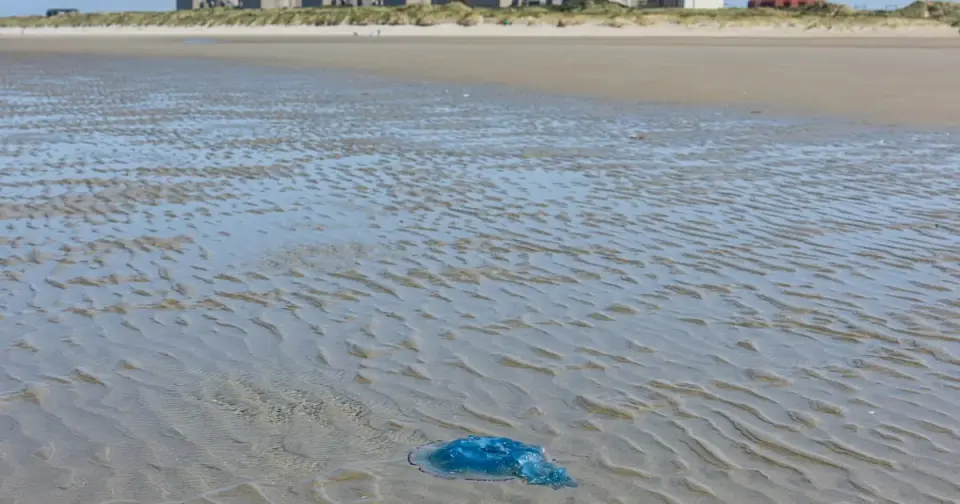
The Gravelines nuclear power plant in northern France was forced to shut down three reactors and halve the output of a fourth on August 11, 2026, due to a massive jellyfish swarm blocking cooling pumps. This incident marks the second consecutive year the plant has faced similar disruptions on the same date, highlighting vulnerabilities in France's nuclear infrastructure amidst rising sea temperatures and extreme heatwaves.
Key points
- EDF took three reactors offline and reduced output on a fourth at the Gravelines plant, leaving only one unit operating at full capacity.
- The shutdown was caused by 'several dozen tons' of jellyfish clogging seawater pumping systems, despite preventive measures including 24/7 fishing patrols.
- This is the second time in two years the plant has been shut down on August 11 due to jellyfish, following a similar incident in 2025.
- France's nuclear production faced a 15.6% shortfall on Sunday, August 10, due to heatwaves and droughts affecting water supplies for cooling.
- EDF stated the incident had no impact on safety, personnel, or the environment, but critics argue it exposes nuclear plants' inability to adapt to climate change.
Background
France has faced multiple nuclear disruptions this summer due to extreme heat and drought, with EDF shutting down reactors in June and July. The Gravelines plant, the largest in Western Europe with six 900-megawatt reactors, previously installed cameras and deployed fishing boats after a 2025 jellyfish incident. Rising sea temperatures, overfishing, and plastic pollution have created conditions for jellyfish to thrive, impacting cooling systems. In 2026, France also faced a near-shutdown at its Hungarian neighbor's plant due to Danube water levels, underscoring regional energy vulnerabilities.
How outlets are covering it
POLITICO emphasizes the recurring nature of the incident, noting it occurred on the same date two years in a row, and highlights EDF's investment in preventive measures that were ultimately overwhelmed. Le Monde focuses on the immediate operational impact, detailing the specific reactor shutdowns and the 15.6% national nuclear production shortfall. Both outlets acknowledge the role of climate change in exacerbating jellyfish swarms, but Greenpeace, cited by POLITICO, criticizes nuclear energy's vulnerability to climate impacts, while EDF maintains safety was not compromised.
Why it matters
The incident underscores the growing risks climate change poses to critical infrastructure, particularly nuclear energy, which relies on stable water supplies for cooling. As sea temperatures rise and jellyfish swarms become more frequent, utilities like EDF must invest in adaptive measures, such as preventive fishing and monitoring systems, to ensure grid stability. This event also highlights the broader challenges France faces in maintaining its nuclear energy output amidst extreme weather, potentially affecting energy prices and reliability across Europe.
What to watch
EDF is mobilizing teams to reconnect the reactors to the national grid and will continue 24/7 fishing patrols to prevent further jellyfish influx. France is expected to monitor nuclear production closely as heatwaves persist, with potential further shutdowns if water supplies remain constrained. Long-term, EDF plans to invest €9 billion over 15 years to adapt power plants to climate change, including measures to mitigate jellyfish and drought impacts.
- Swarming jellyfish overrun French nuclear plant on same date two years in a row politico.eu
- Jellyfish-hit French nuclear plant shuts down three reactors Reuters
- Jellyfish force shutdown of three reactors at French nuclear plant Le Monde.fr
- Jellyfish Swarms Knock Out 3.2 Gigawatts of French Nuclear Power Bloomberg.com
- Nuclear reactors shut down as swarm of jellyfish blocks filters The Times
Want the full story? Read the original reporting
Read on politico.eu