
Iran Faces Deep Economic Collapse as Oil Exports Halt and Internal Power Struggles Erupt
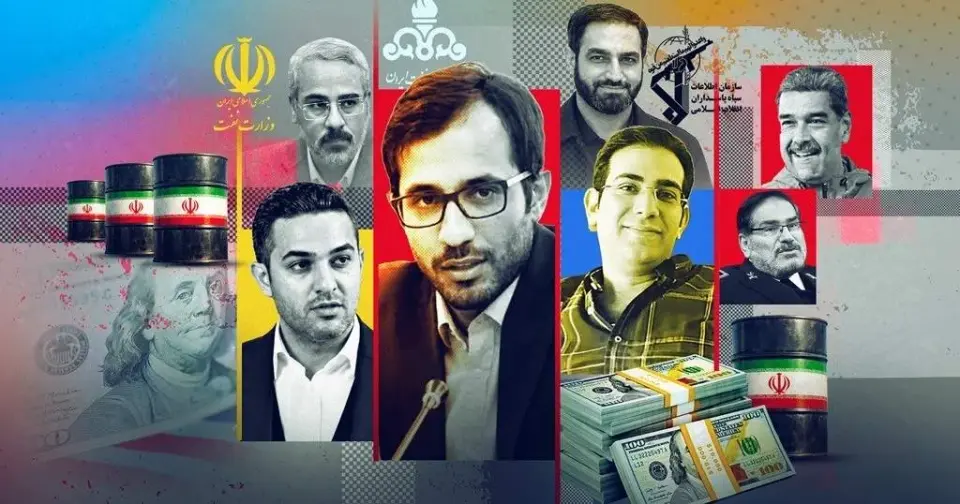
Iran’s economy is contracting sharply, with officials warning of up to 1.4 million job losses this year. The US naval blockade has halted oil exports, depleting offshore reserves and forcing China to seek alternative suppliers. Internally, a public debate has exposed deep divisions over missing oil revenues and the role of security entities in managing state assets.
Key points
- Iran’s Labor Ministry warns that a 7-8% economic contraction could eliminate 1.4 million jobs, adding to an existing 2.5 million unemployed.
- US Treasury Secretary Scott Bessent predicts a 25% economic contraction for the year ending March 2027, urging Iranians to stockpile fuel and boycott taxes.
- Iran’s offshore oil reserves have dropped to near zero, forcing Chinese refineries to switch to Iraqi and Qatari crude.
- A public debate between Hossein Ghorbanzadeh and Vahid Ashtari highlighted disputes over $4.7 billion in uncollected oil revenues and the influence of security bodies on petrochemical management.
Background
Recent months have seen a surge in maritime attacks in the Strait of Hormuz, with Iran claiming the strait is closed to unauthorized traffic while the US maintains it remains open. These disruptions have driven global energy prices higher and intensified the economic pressure on Tehran, which has faced two rounds of war with the US and Israel alongside expanding sanctions.
How outlets are covering it
While Iran International emphasizes the tangible economic fallout, including job losses and the collapse of oil export infrastructure, IranWire focuses on the internal political and financial corruption within the oil sector. Iran International cites official figures on unemployment and the depletion of offshore stocks, whereas IranWire highlights a debate between a former privatization head and a media activist, revealing conflicting narratives on whether oil management is controlled by security entities or plagued by ministerial incompetence. The former argues that $4.7 billion in revenues remain uncollected due to poor performance, while the latter claims security bodies have controlled oil since 2018. Both sources agree that the economic situation is dire, but they differ on the primary cause: external US pressure versus internal mismanagement and corruption.
Why it matters
The collapse of Iran’s oil export system and the resulting economic contraction threaten to destabilize the region, potentially leading to further social unrest and political fragmentation. The exposure of internal disputes over oil revenues and the role of security entities in economic management could weaken the government’s ability to respond to the crisis, while the shift in Chinese oil imports signals a broader reshuffling of global energy supply chains.
What to watch
The next eight weeks of the US 'Operation Economic Outcast' are expected to intensify, potentially leading to severe fuel shortages in Iran. Diplomatic efforts by Qatar, Saudi Arabia, Pakistan, and Turkey may attempt to de-escalate tensions, but Tehran has shown little sign of softening its demands. Internally, the debate over oil revenues and the role of security entities may lead to further political purges or reforms, depending on how the economic crisis unfolds.
Want the full story? Read the original reporting
Read on Iran International