
Saudi Arabia Resumes Red Sea Oil Exports via East-West Pipeline
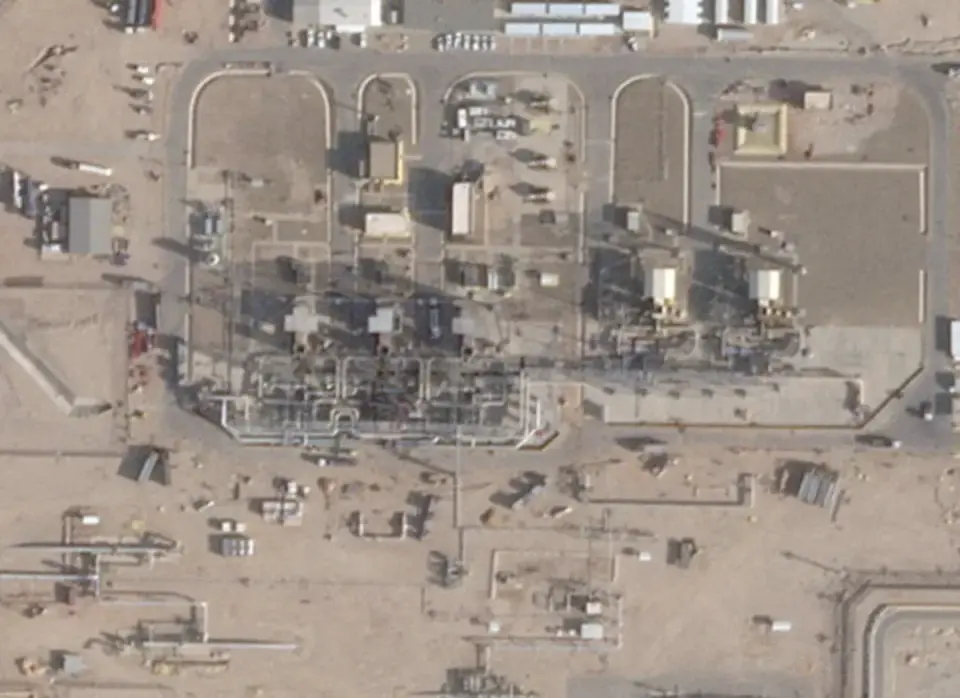
Saudi Arabia has restarted its critical East-West oil pipeline, restoring crude exports from the Red Sea coast after a two-week shutdown caused by drone strikes. This move aims to stabilize global oil supply and mitigate price volatility amid ongoing regional tensions.
Key points
- Saudi Arabia has restarted the East-West oil pipeline, which had been shut down for two weeks due to drone strikes.
- The pipeline, with a capacity of 7 million barrels per day, is crucial for exporting crude oil from the Red Sea coast.
- The restart aims to stabilize global oil supply and mitigate price volatility amid ongoing regional tensions.
- The pipeline's restart follows earlier signals from Saudi Aramco that repairs could take 3-5 weeks, with full capacity returning in about six weeks.
- The restart is expected to ease export pressure and potentially boost refinery runs and diesel margins in Asia.
Background
The East-West pipeline, a 1,200km line, had been shut down for two weeks due to drone strikes, causing a significant disruption in Saudi oil exports. Earlier reports indicated that repairs could take 3-5 weeks, with full capacity returning in about six weeks. The shutdown had shifted Saudi oil geography, with European loadings and rerouted shipments noted as the pipeline outage shifted Saudi oil geography. The restart is expected to ease export pressure and potentially boost refinery runs and diesel margins in Asia.
How outlets are covering it
Yahoo Finance reports that Saudi Arabia has restarted the East-West oil pipeline, while CNBC focuses on the broader context of Iran-U.S. tensions and their impact on oil prices. CNBC highlights that U.S. Treasury Secretary Scott Bessent announced that all Iranian airlines will be shut down from Wednesday, which could affect oil prices. In contrast, Yahoo Finance emphasizes the direct impact of the pipeline restart on Saudi oil exports and global supply. The two sources differ in their focus, with Yahoo Finance concentrating on the pipeline restart and its immediate effects, while CNBC highlights the broader geopolitical tensions and their potential impact on oil prices.
Why it matters
The restart of the East-West pipeline is significant because it restores a critical route for Saudi crude exports, helping to stabilize global oil supply and mitigate price volatility. This move is particularly important amid ongoing regional tensions, which have the potential to disrupt oil flows and drive up prices. The restart also eases export pressure and potentially boosts refinery runs and diesel margins in Asia, highlighting its broader economic implications.
What to watch
The next steps will likely involve monitoring the pipeline's performance and the impact on global oil prices. Additionally, the diplomatic developments between the U.S. and Iran, including the upcoming UN address by Iranian President Masoud Pezeshkian, will be closely watched for any potential impact on oil markets. The pipeline's restart is expected to ease export pressure and potentially boost refinery runs and diesel margins in Asia, but the broader geopolitical tensions remain a key factor in determining oil prices.
- Saudi Arabia restarts East-West oil pipeline, to resume exports from Yanbu, sources say Yahoo
- Oil Prices Fall for Fourth Day as Supply Concerns Ease WSJ
- Saudi Arabia's key oil pipeline is restarting after nearly two weeks of drone damage qz.com
- Oil little changed after Trump tells UN that Iran will make a deal after midterm elections CNBC
- Saudi Arabia ramps up Gulf oil exports after pipeline attack, data shows Reuters
Want the full story? Read the original reporting
Read on Yahoo