
Nepal Floods: Glacier Collapse Kills Over 1,100 as Climate Link Intensifies
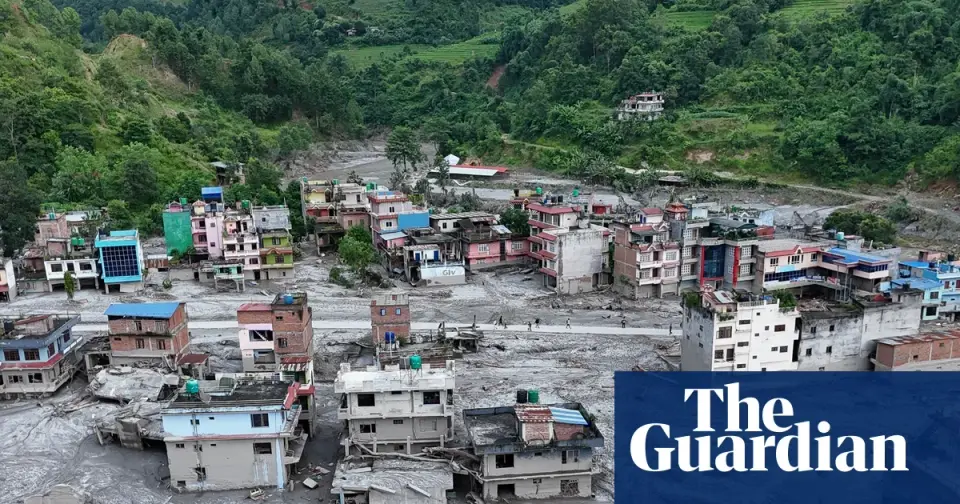
A massive rock and ice collapse in Nepal’s Langtang National Park triggered catastrophic flash floods, killing at least 1,114 people and leaving roughly 4,500 missing. The disaster, which swept through the Lhende Khola, Bhotekoshi, and Trishuli rivers, has prompted international appeals for climate accountability and urgent infrastructure rebuilding.
Key points
- The disaster began at 8:37 am local time on Wednesday when a 1,200-meter rock and ice mass sheared off a mountain, creating a debris flow moving at 150 km/h.
- Water levels along the Trishuli River rose by nine meters in 30 minutes, destroying homes, bridges, and power plants.
- The death toll has reached 1,114 in Nepal and 16 in China, with approximately 4,500 people still unaccounted for across the border.
- Nepal’s Prime Minister Balendra Shah stated that the event was not ordinary and linked the disaster to climate change, urging the international community to address Himalayan risks.
- The UN Development Programme estimates that 2.4 million tons of debris have been generated, while 84,270 people across 17 municipalities have been affected.
Background
This disaster follows a series of climate-related events in the region, including a deadly flash flood in Grand Canyon in early September 2026. Previous coverage highlighted how Western media often hesitates to directly link such events to climate crisis, despite expert warnings. The current event underscores the growing instability of Himalayan glaciers, which have lost one-third of their ice in the past 30 years due to global heating.
How outlets are covering it
The Guardian emphasizes the scientific consensus that while the specific landslide was not definitively caused by climate change, rising temperatures destabilize frozen slopes and increase the risk of glacial lake outburst floods. CNN focuses on the immediate humanitarian crisis, highlighting the lack of communication for missing foreigners, including 75 Americans and a high-profile CEO, and the logistical challenges of rescue operations. Both outlets agree on the scale of the disaster but differ in focus: The Guardian frames it as a climate warning, while CNN details the ongoing human toll and rescue efforts.
Why it matters
This event highlights the increasing vulnerability of the Himalayas to climate change, where warming is occurring twice as fast as the global average. It underscores the need for international cooperation in early warning systems and the urgent need for climate finance to support vulnerable nations in adapting to extreme weather events.
What to watch
Rescue operations are ongoing, with the Nepali Army having rescued nearly 12,000 people. The UN has launched a four-month Humanitarian Flash Appeal. Experts warn that the landscape remains unstable, with risks of further collapses from fractured bedrock and remaining glacier ice. Long-term efforts will focus on rebuilding infrastructure and providing mental health support to survivors.
- What we know about the link between Nepal’s flash floods and our climate crisis The Guardian
- Visual Analysis Points to Bedrock as Likely Cause for Nepal’s Flash Floods The New York Times
- Nepal’s Catastrophic Flood Heralds a New Age of Disasters Bloomberg.com
- Asia Bulletin newsletter: Lessons from the flash flood in Nepal The Economist
- September 1-2, 2026 ��� Warning signs were visible ahead of Nepal-China floods, report says CNN
Want the full story? Read the original reporting
Read on The Guardian