
UN Report Warns Climate-Driven Wildfires and Heatwaves Are Reversing Global Air Quality Gains
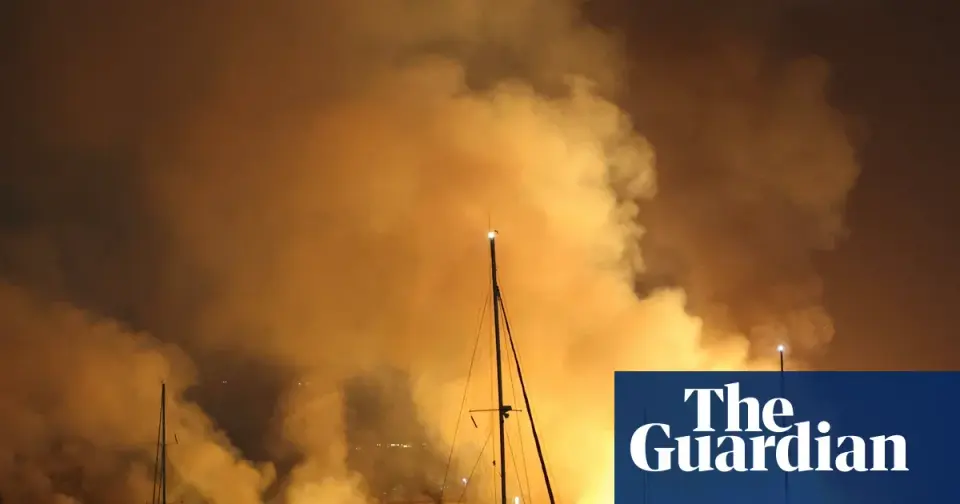
The World Meteorological Organization (WMO) reports that climate-driven wildfires and heatwaves are undoing decades of progress in reducing air pollution. While industrial and transport emissions have fallen in many regions, smoke from fires and heat-generated ozone are creating new health crises. The WMO emphasizes that air quality and climate change are inextricably linked, requiring coordinated policy responses to break the feedback loop between warming, fires, and pollution.
Key points
- The WMO’s sixth Air Quality and Climate Bulletin, released on September 7, 2026, highlights a dangerous feedback loop: climate change increases wildfires and heatwaves, which worsen air quality, which in turn accelerates climate breakdown.
- Wildfire smoke is a major public health threat, linked to nearly 100,000 excess deaths annually between 2010 and 2018, according to the WMO. Smoke exposure causes oxidative stress, asthma attacks, and chronic obstructive pulmonary disease (COPD).
- Ground-level ozone pollution is rising due to intense heatwaves, particularly in Europe. Ozone is a powerful oxidant that damages lung tissue and contributes to heart problems; in heavily polluted areas, one in five COPD deaths is now attributed to long-term ozone exposure.
- In 2025, PM2.5 levels were above average in northern Canada, parts of Russia, western-central Africa, and northwestern Spain due to increased fire activity. Conversely, PM2.5 levels remained below average in China due to reduced industrial emissions, and in the Amazon due to lower burning.
- The WMO stresses that air quality and climate change cannot be treated separately. Reducing greenhouse gas emissions simultaneously reduces air pollutants, making fossil fuel abatement the most effective solution for both issues.
Background
This report follows earlier concerns about indoor air pollution from scented cleaners and the limited impact of congestion pricing on air quality in New York City. It also aligns with growing evidence linking outdoor pollution and indoor smoke to rising lung cancer rates in non-smokers.
How outlets are covering it
The Guardian and the WMO emphasize the feedback loop between climate change and air quality, stressing the need for integrated policy. Health Policy Watch highlights the difficulty of meeting WHO clean air standards as fires increase, while 1News.az focuses on the mortality impact of wildfires, noting that standard risk models may underestimate deaths by up to 93% due to smoke toxicity. All sources agree on the urgency of addressing the link between climate and air quality, but differ in emphasis: the WMO and Guardian focus on systemic solutions, while 1News.az and Health Policy Watch highlight health consequences and monitoring gaps.
Why it matters
The report underscores that air quality improvements are being reversed by climate-driven events, posing a growing public health threat. It calls for coordinated policies to address both climate change and air pollution, as they are deeply intertwined. Failure to act could lead to worsening health outcomes and environmental degradation.
What to watch
The WMO calls for improved atmospheric observations of pollutants like PM2.5, ozone, black carbon, and microplastics. It also urges global abatement of greenhouse gas emissions and fossil fuel burning to break the feedback loop between climate change and air pollution.
- Heatwaves and wildfires are setting back air quality improvements, UN finds The Guardian
- WMO Air Quality and Climate Bulletin No. 6 - September 2026 World Meteorological Organization WMO
- Wildfires, heat waves threaten to undermine air quality, UN weather agency says reuters.com
- As Fires Increase, It Will Be Harder To Meet WHO Clean Air Standards Health Policy Watch
- Almost 100,000 deaths a year: the global health consequences of wildfires revealed 1News.az
Want the full story? Read the original reporting
Read on The Guardian