
Foraging Moves from Noma’s Origins to Luxury Hotel Menus
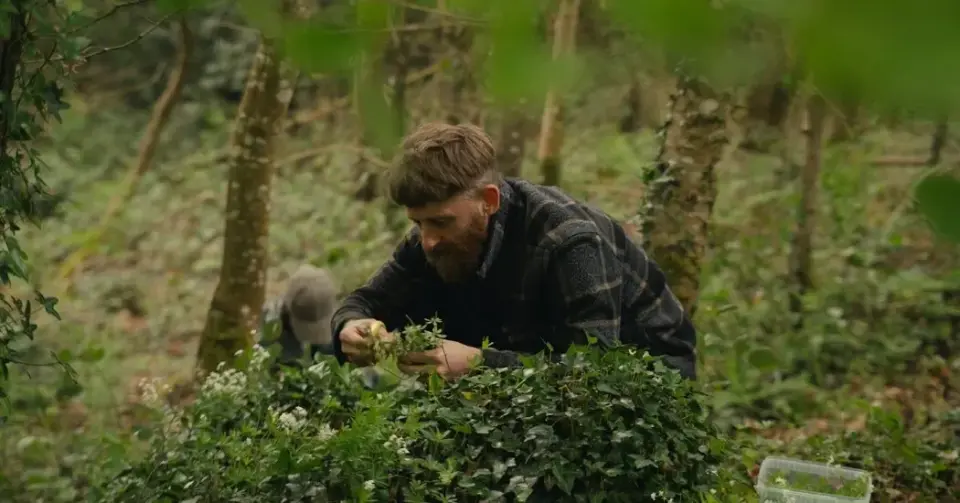
The practice of foraging for ingredients has evolved from a niche technique pioneered by Danish chefs into a mainstream feature of luxury hotels and high-end restaurants. While the trend gained momentum during the pandemic, it now reflects a broader shift in fine dining toward local, wild, and historically rooted food sources.
Key points
- The New York Times reports that foraging has become a significant trend in luxury hospitality and fine dining, moving beyond its origins in the New Nordic movement.
- The trend traces back to 2003 when chefs Claus Meyer, René Redzepi, and Mads Refslund explored natural habitats in the Faroe Islands and Iceland, leading to the opening of Noma in Copenhagen.
- Ingredients such as sea buckthorn berries, wild thyme, and seaweed, discovered during these expeditions, helped establish the chef-forager as a prominent figure in culinary culture.
- Pandemic-era interest in foraging surged, with traffic to the crowdsourced map Falling Fruit increasing by 40 percent between 2019 and 2020.
- Mushroom picking in U.S. state and national parks has become so popular that it is now banned in several locations due to concerns about environmental degradation from off-trail visitors.
- The article suggests that seeking less-accessible locales where living off the land remains part of daily life may be a more sustainable approach to foraging than crowded public parks.
Background
This development aligns with recent industry shifts highlighted in our archive, where chefs are increasingly prioritizing local ingredients and personal narratives over traditional exclusivity. Eater’s 2026 Best New Restaurants and Chefs of the Year lists emphasize regional confidence and cultural roots, while the 50 Best rankings face criticism for prioritizing visibility over merit, suggesting a broader industry move toward authenticity and local sourcing.
Why it matters
The integration of foraging into luxury dining signals a shift in how high-end restaurants define quality and sustainability. It moves beyond mere novelty to embrace a deeper connection with local ecosystems and historical food practices, potentially influencing how the hospitality industry sources ingredients and engages with environmental concerns.
What to watch
As foraging becomes more mainstream, expect increased scrutiny on sustainable practices and potential regulatory changes in protected areas. Luxury hotels and restaurants may continue to explore less-accessible locales to balance culinary innovation with environmental responsibility.
Want the full story? Read the original reporting
Read on The New York Times