
US Military Establishes Covert Oil Corridor in Strait of Hormuz
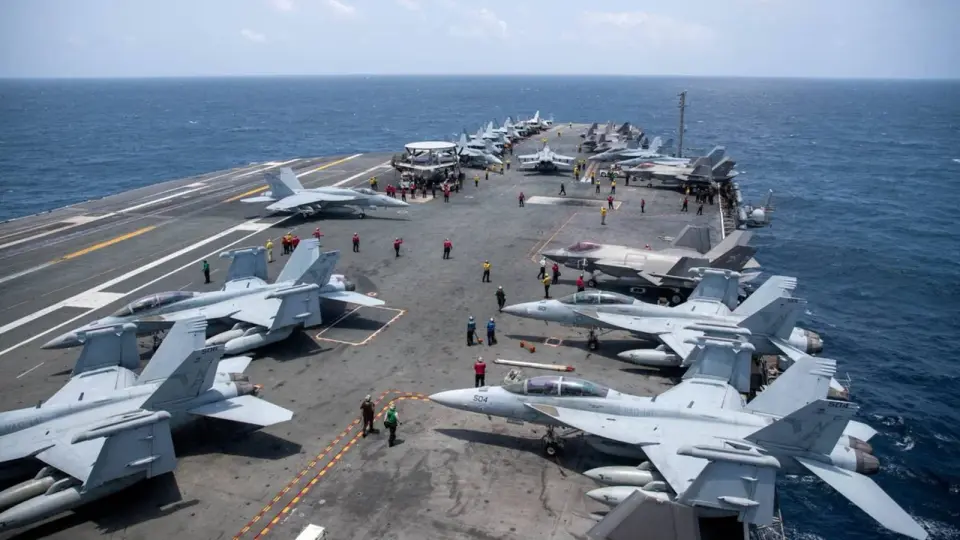
US Central Command has facilitated the transit of over 660 million barrels of crude oil through the Strait of Hormuz since May, assisting approximately 1,300 commercial vessels. While official figures suggest current flows have reached 10 million barrels per day, independent trackers report significantly lower volumes due to vessels disabling transponders. The US maintains a southern shipping lane under military protection, while Iran insists on a northern route, creating a contested security environment where both sides project power but neither holds absolute control.
Key points
- US Central Command reports aiding 660 million barrels of oil and 1,300 vessels through Hormuz since early May.
- Recent transit rates average 7 to 10 million barrels per day, far below the pre-war level of 20 million barrels per day.
- The US operates a protected southern lane along Oman’s coast, while Iran demands use of a northern route through its territorial waters.
- Independent maritime firms estimate lower volumes, with many ships using 'dark' transits or ship-to-ship transfers to avoid detection.
- At least 17 commercial ships were attacked in July and August, resulting in four deaths and numerous injuries.
Background
The conflict began in February 2026, leading to a sharp rise in oil prices and a drawdown of the US Strategic Petroleum Reserve to a four-decade low. Previous coverage noted that sailors initially rejected US safe-passage pledges, and the war shifted focus from regime change to securing oil flows. The interim peace deal signed in June 2026 remains a sticking point, with Iran claiming the strait is closed until US obligations are met.
How outlets are covering it
US officials, including Energy Secretary Chris Wright, assert that the military controls the southern lane and that flows are increasing, with some nights seeing 15 million barrels exit. They attribute lower independent estimates to vessels moving covertly. Conversely, maritime intelligence firms like Windward and Kpler report lower averages, noting that 80% of traffic uses unclassified or 'dark' routes. Al Jazeera data suggests vessels are more willing to defy US threats than Iranian ones, as a significant portion openly uses the Iranian route. CNN analysis argues that while the US is squeezing Iran’s economy, Tehran retains leverage through the threat of attacks, and the current stalemate may prolong the conflict into 2027.
Why it matters
The ability to move oil through Hormuz is critical for stabilizing global energy prices, which have fluctuated between $66 and $119 per barrel since the war began. The US strategy relies on economic pressure to force Iran to capitulate, but Iran’s resilience and continued attacks on shipping suggest a prolonged standoff. The contested control of the strait impacts global supply chains and could influence midterm elections in the US due to rising gasoline costs.
What to watch
The US is likely to continue its covert operation to maintain oil flows, while Iran may escalate attacks to assert control. Negotiations remain stalled, with Trump dismissing talks as a waste of time. The situation could lead to further military engagements or a shift in global energy markets as alternative logistics arrangements become more prevalent.
- U.S. military says it aided passage of 660 million barrels of oil through Strait of Hormuz since May CNBC
- U.S. military guides oil tankers through Strait of Hormuz qz.com
- Are ships passing Hormuz more willing to defy Iran or US? What data shows Al Jazeera
- Trump is squeezing Iran’s economy and oil sales. It may still have the upper hand in Hormuz CNN
- U.S. conducting stealth operation to transport oil through Hormuz Axios
Want the full story? Read the original reporting
Read on CNBC