
Israel’s 2026 Election Pits Netanyahu’s Endless War Doctrine Against Eisenkot’s Pragmatic Shift
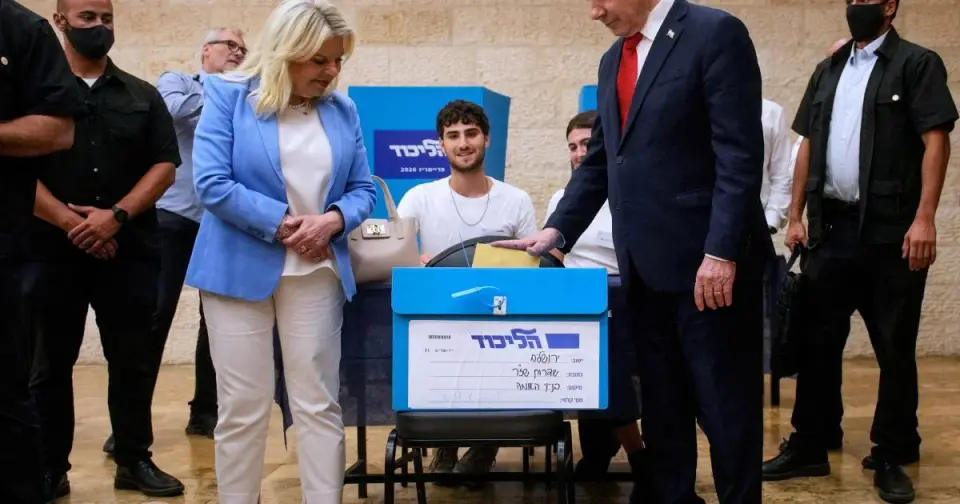
With Israeli elections scheduled for October 27, 2026, Prime Minister Benjamin Netanyahu faces a significant challenge from former IDF chief of staff Gadi Eisenkot. Netanyahu has adopted a strategy of continuous preemptive warfare, ignoring the $142 billion economic cost and international isolation. Eisenkot, leading a centrist coalition, promises to end the 'forever wars' in Gaza, Lebanon, and Syria, though he remains cautious on Palestinian statehood. The outcome hinges on whether a new government can restrain settler violence in the West Bank and navigate a shifting relationship with US President Donald Trump, who is increasingly frustrated with Netanyahu’s military failures.
Key points
- Netanyahu’s 'forever war' doctrine has cost Israel approximately $142 billion, equivalent to over half its annual budget, and has left the IDF untrained due to prolonged deployments.
- Gadi Eisenkot leads the polls with his centrist party, Yashar!, promising to end open-ended conflicts in Gaza, Lebanon, and Syria, though he opposes a Palestinian state.
- The West Bank has seen over 200 new settlements since 2023, with settler violence escalating into what analysts describe as localized ethnic cleansing, a crisis Eisenkot vows to address.
- US President Donald Trump, frustrated by the stalled Iran war, is seeking diplomatic wins in Gaza and Lebanon, creating potential leverage for a post-Netanyahu government.
- Eisenkot’s coalition, 'Anyone but Bibi,' includes center-left and right-wing parties, but faces the challenge of a rightward-shifted Israeli public opinion that fears Palestinian threats.
Background
This election follows three years of continuous conflict since the October 7, 2023, Hamas attack. Previous coverage noted US military focus in the Middle East and growing international backlash against Israeli policies, including cultural boycotts. The current situation reflects a deepening crisis in the West Bank, where settler violence has reached record levels, and a strained US-Israel relationship as Trump distances himself from Netanyahu’s military strategies.
How outlets are covering it
Foreign Affairs emphasizes the structural differences between Netanyahu’s ideological commitment to endless war and Eisenkot’s pragmatic desire to close fronts, highlighting the potential for diplomatic progress with the US. Novara Media focuses on the immediate humanitarian crisis, noting that 2026 has been the most violent year on record for Palestinians in the West Bank, with 76 killed by settlers or the IDF, framing the election as a choice between escalation and restraint. While Foreign Affairs views the West Bank crisis as a policy failure that a new government could mitigate, Novara Media presents it as an ongoing emergency requiring immediate intervention.
Why it matters
The outcome of the October 27 election will determine whether Israel continues its costly and isolating military strategy or attempts to de-escalate conflicts in Gaza, Lebanon, and Syria. A shift in leadership could alter the trajectory of US-Israel relations, potentially opening doors for diplomatic solutions in the region, while also addressing the internal crisis of settler violence in the West Bank that threatens Israel’s international standing and domestic stability.
What to watch
Watch for the October 27 election results and the formation of a new coalition. Monitor the response of the US administration to any changes in Israeli leadership, particularly regarding the Iran war and Gaza peace efforts. Observe whether a new government can implement measures to restrain settler violence in the West Bank and negotiate with Syrian President Ahmed al-Shara for a security arrangement.
- Can Israel End Its Forever Wars? Foreign Affairs
- Netanyahu’s Israel Is Looking for a Fight in Every Direction The New York Times
- The View From India newsletter: Israel’s strategic predicaments The Hindu
- Netanyahu’s endgame and the battle for the West Bank Arab News
- Netanyahu Wants Full-Scale War in the West Bank Novara Media
Want the full story? Read the original reporting
Read on Foreign Affairs