
Analysts Warn Beijing and Moscow May Exploit U.S. Military Strain Post-Midterms
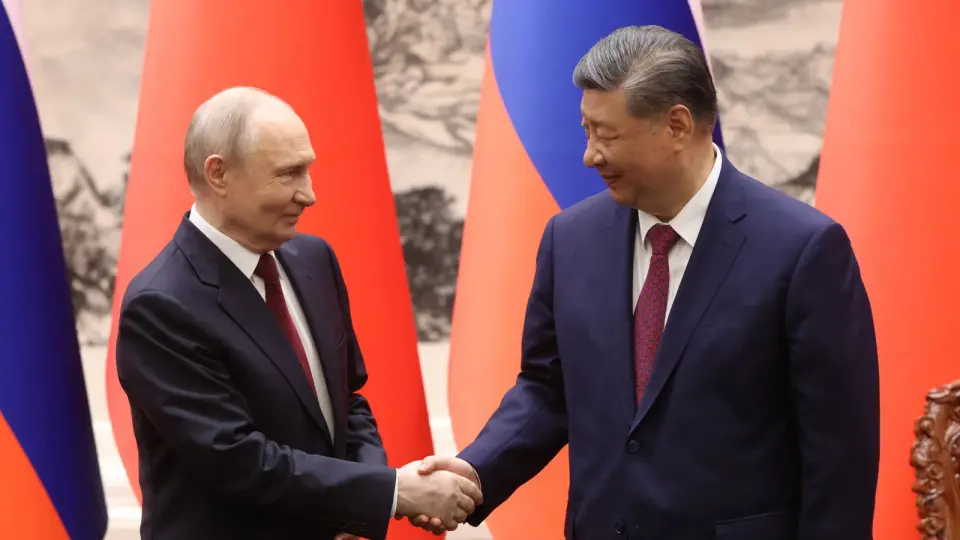
Brookings fellow Robert Kagan argues that Russia and China may view President Trump’s midterm defeat as a signal of U.S. weakness, potentially prompting more aggressive actions in Asia within two years. The Iran conflict has depleted U.S. missile stocks and diverted naval assets, reducing Washington’s capacity to deter Beijing. While Trump seeks economic deals with China, analysts warn this passivity may embolden Chinese assertiveness. A potential trilateral summit with Putin and Xi is under discussion, though no agenda is set.
Key points
- Robert Kagan states that Russia and China may interpret Trump’s political weakening as an opportunity to act aggressively over the next two years.
- The U.S. has depleted up to two-thirds of its missile-defense interceptors since June 2025 due to the Iran conflict, limiting its ability to project power in Asia.
- Three U.S. aircraft carriers are currently deployed in the Middle East, reducing naval presence in the Pacific and potentially encouraging Chinese assertiveness.
- Trump approved an $11 billion arms package for Taiwan but withheld a second $14 billion package, using it as a bargaining chip in trade talks with China.
- U.S., Chinese, and Russian officials are discussing a possible trilateral summit at the APEC meeting in Shenzhen later this month, though no agenda has been confirmed.
Background
This analysis follows the U.S. midterm elections, where Democrats gained control of both chambers of Congress, marking a significant shift in domestic political power. It also follows a series of diplomatic engagements, including a recent state visit by Chinese President Xi Jinping to Washington, which focused on trade truces and AI regulation but yielded limited breakthroughs. Additionally, the ongoing Iran conflict has strained U.S. military resources and complicated relations with allies like Israel, while North Korea’s recent public appearances of its leader have underscored regional instability.
How outlets are covering it
CNBC emphasizes the military and strategic implications of U.S. depletion, citing Kagan’s view that China may exploit reduced U.S. naval presence in Asia. CNN, however, focuses on the broader foreign policy fallout, highlighting how the midterm loss could lead to a more transactional U.S. approach with Iran and a potential erosion of support for Israel. While both sources agree that Trump’s weakened position may embolden adversaries, CNBC stresses the immediate military vulnerability in Asia, whereas CNN highlights the diplomatic and economic consequences for allies and adversaries alike. CNN also notes that Iran is not betting on a policy shift, while CNBC focuses on the long-term strategic calculations of Beijing and Moscow.
Why it matters
The depletion of U.S. military assets and the political weakening of the administration could create a window for China and Russia to pursue more aggressive postures in Asia and the Middle East. This may affect global security dynamics, trade relations, and the balance of power in key regions. Additionally, the potential trilateral summit could signal a shift in diplomatic engagement, though its outcomes remain uncertain. The situation also raises questions about the future of U.S. alliances and the reliability of American security commitments in the coming years.
What to watch
Watch for developments in the APEC summit in Shenzhen, where a trilateral meeting between Trump, Xi, and Putin may be discussed. Monitor U.S. military inventory reports and any shifts in naval deployments in the Pacific. Track diplomatic efforts between the U.S. and Iran, including potential deals on the Strait of Hormuz. Observe any changes in U.S. support for Israel and Ukraine, as well as any new executive orders or congressional actions that may affect foreign policy. Finally, assess whether China or Russia takes concrete steps to test U.S. resolve in the coming months.
- Russia, China may be more aggressive if they feel Trump is on 'his way out': Brookings CNBC
- What Trump’s midterms setback could mean for Iran, Israel and Ukraine CNN
- Europe can expect little from Trump's midterm defeat Le Monde.fr
- World leaders who sparred with Trump express relief mixed with caution at Republican election rout Yahoo
- What Trump’s Midterm Defeat Means for Iran and Oil Prices The New York Times
Want the full story? Read the original reporting
Read on CNBC