
Ukraine’s Drone Campaign Hits Multiple Russian Refineries, Killing Two in Krasnodar
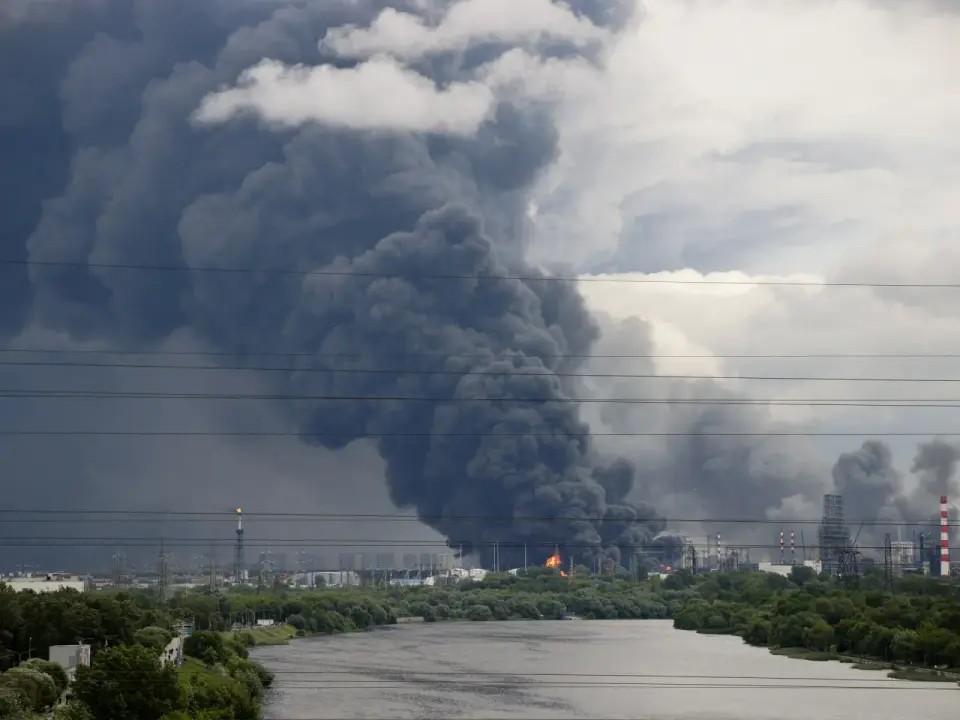
Ukrainian drone strikes on August 25, 2026, killed two people and injured others at the Afipsky oil refinery in Russia’s Krasnodar region, sparking a fire. Simultaneous attacks hit refineries in Rostov and Nizhny Novgorod oblasts, forcing temporary shutdowns. These strikes follow a broader Ukrainian campaign targeting Russian energy infrastructure to disrupt fuel supplies and revenue, occurring after a Kyiv meeting where allies pledged continued support and approved long-range missile production.
Key points
- Two people were killed and two injured by falling drone debris at the Afipsky refinery in Krasnodar, according to Governor Veniamin Kondratyev.
- The Novoshakhtinsky refinery in Rostov region suspended operations after sustaining damage, while the Kstovo refinery in Nizhny Novgorod Oblast caught fire, per regional officials and Ukrainian media.
- Ukraine’s General Staff confirmed strikes on the Afipsky facility and a gas plant in Astrakhan region, while Russia’s Defence Ministry claimed to have shot down 148 drones overnight.
- President Zelenskyy confirmed UK approval for producing SCALP missiles and stated France lifted licensing restrictions, following a meeting with 30 leaders of the Coalition of the Willing.
- Putin signed a decree allowing the state to take temporary control of critical infrastructure deemed inadequately protected from attacks.
Background
This escalation follows a series of Ukrainian strikes on Russian energy targets in July and August 2026, including hits on refineries in Samara and Krasnodar, and air bases in Saratov. These attacks have contributed to a fuel crisis in Russia, with Kyiv aiming to undermine Moscow’s war financing and logistics capabilities.
How outlets are covering it
Al Jazeera and The Moscow Times emphasize the immediate human toll and operational shutdowns in southern Russia, noting that the Afipsky and Novoshakhtinsky refineries have been targeted before. The Daily Beast frames the strikes as a strategic blow to Putin, highlighting the shift of the war’s focus to the Russian home front. Ukrainian Pravda adds detail on the Kstovo refinery, one of Russia’s largest, and notes simultaneous strikes on logistics centers. While Russian officials focus on air defense successes and port strikes, Ukrainian sources highlight the scale of infrastructure damage and new Western military support.
Why it matters
The sustained targeting of Russian oil refineries threatens to deepen fuel shortages and reduce state revenue, potentially affecting the war effort and domestic stability. The approval for long-range missile production signals a shift in Ukraine’s offensive capabilities, while Putin’s decree indicates a state-level response to infrastructure vulnerabilities.
What to watch
Analysts expect continued Ukrainian strikes on Russian energy and military infrastructure, potentially expanding to other regions. Russia may increase air defense deployments or retaliate against Ukrainian energy sites. The outcome of the new missile production agreements will determine the scale and reach of future Ukrainian attacks.
- Two killed, refinery on fire in Russia’s Krasnodar after drone attack Al Jazeera
- Ukraine's Double-Barreled Drone Strikes Snarl Russian Oil Flows Bloomberg.com
- Deadly Ukrainian Strikes in Southern Russia Force Oil Refinery to Shut Down The Moscow Times
- Putin Left Reeling as Russia Is Hit Where It Hurts The Daily Beast
- Drones attack oil refinery in Russia's Kstovo, sparking fire – photos, video Українська правда
Want the full story? Read the original reporting
Read on Al Jazeera