
Estonia to seal Russian border after thwarted arson at drone maker
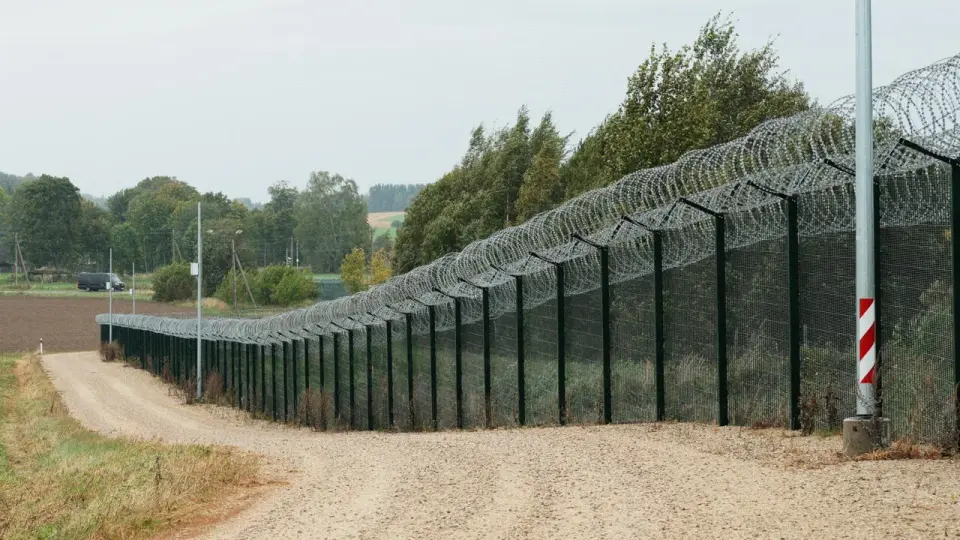
Estonia will close all road border crossings with Russia on December 1 following a thwarted arson attempt on drone manufacturer Threod Systems. Authorities accuse the Russian GRU of ordering the attack, which involved eight detained Latvian nationals. This is the second such incident on an Estonian defense firm this year, prompting Tallinn to describe Moscow’s actions as part of a broader hybrid war against Europe.
Key points
- Estonia will close all road border crossings with Russia starting December 1, 2026.
- An attempted arson attack on drone manufacturer Threod Systems in Viimsi was thwarted by security staff on November 14.
- Eight Latvian nationals were detained; five have been remanded in custody.
- Estonian authorities accuse the Russian GRU military intelligence of ordering the attack.
- This is the second sabotage attempt on an Estonian defense company this year, following an incident at Milrem in August.
Background
In August 2026, an arson attack occurred at defense contractor Milrem in Tallinn, which Estonian authorities attributed to Russian special services. Several Latvian citizens were arrested in connection with that case. European intelligence services have warned of growing Russian attempts to recruit EU residents for sabotage acts targeting defense companies, particularly those supplying Ukraine.
How outlets are covering it
Estonian officials, including Prime Minister Kristen Michal and Foreign Minister Margus Tsahkna, framed the border closure as a necessary response to Russian hybrid warfare and a deterrent against further sabotage. They emphasized that hostile actions must have consequences and linked the attacks to efforts to weaken support for Ukraine. Ukraine commended Estonia’s move, calling it an example of effective action against Russian hostility. Russia’s foreign ministry spokesperson Maria Zakharova dismissed the accusations as 'Russophobia' and 'aggressive and unrestrained,' while Moscow has consistently denied involvement in such incidents. CNN and The Guardian highlighted the broader pattern of Russian sabotage across Europe, including drone incidents in Poland and Lithuania, while ERR provided detailed operational insights into the GRU’s recruitment methods within the Schengen Area.
Why it matters
The closure of Estonia’s border with Russia marks a significant escalation in Baltic security posture and signals a shift from diplomatic condemnation to tangible measures against perceived Russian hybrid threats. It underscores the vulnerability of European defense industries to sabotage and may influence EU-wide responses to Russian intelligence operations. The move also tests the limits of Schengen cooperation, as the detained suspects are Latvian nationals, highlighting cross-border challenges in counterintelligence.
What to watch
Estonian citizens in Russia have two weeks to return home. The duration of the border closure remains unspecified. Further sanctions targeting Russian individuals and entities are expected at a foreign affairs ministers’ meeting in Brussels on Monday. Investigations into the roles of the detained suspects and potential links to other individuals will continue.
- Estonia to close Russian border crossings after 'sabotage' attempt at drone factory France 24
- Estonia to shut its border with Russia, blaming Moscow for foiled arson plot CNN
- Estonia to close all border crossings with Russia after attack on drone maker The Guardian
- Estonia to close Russian border crossings after attempted arson attack Reuters
- 8 detained after GRU-linked arson at Estonian drone company Threod Systems ERR
Want the full story? Read the original reporting
Read on France 24