
Estonia to seal Russian border in December after thwarted arson at drone maker
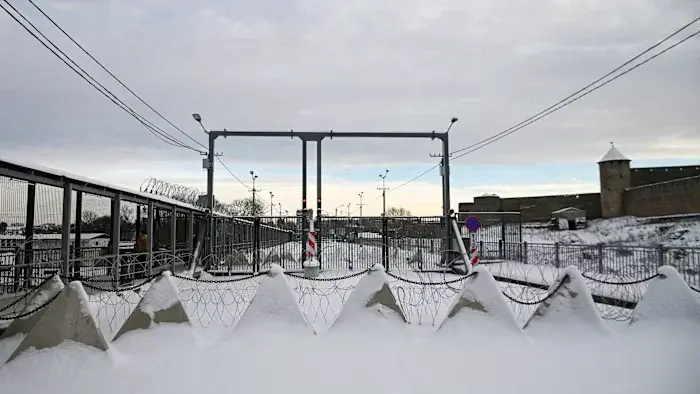
Estonia will close all border crossings with Russia on December 1 following a thwarted arson attempt on drone manufacturer Threod Systems. Authorities accuse Russia’s GRU military intelligence of commissioning the incident, which involved eight detained Latvian nationals. This is the second such attack on an Estonian defense firm this year, prompting Tallinn to describe Moscow’s actions as part of a broader hybrid war against Europe.
Key points
- Estonia will close all three border crossings with Russia (Narva, Koidula, and Luhamaa) starting December 1, with no specified reopening date.
- Eight Latvian nationals were detained after a failed explosion and arson attempt on Threod Systems, a drone manufacturer, on Saturday; five have been remanded in custody.
- Estonian security services attribute the attack to Russia’s GRU military intelligence, calling it the second sabotage attempt on a defense company this year after an incident at Milrem Robotics in August.
- Prime Minister Kristen Michal stated the closure aims to reduce risks and signal that attacks on defense capabilities are unacceptable, linking the actions to Russia’s efforts to weaken support for Ukraine.
- Russia’s foreign ministry dismissed the closure as 'aggressive Russophobia,' while Ukraine commended Estonia for taking concrete action against Russian hostility.
Background
This incident follows a pattern of alleged Russian hybrid attacks in Europe, including arson and sabotage targeting defense companies and infrastructure. In August, an arson attack on Milrem Robotics was attributed to Russia, leading to diplomatic protests. Earlier this year, incidents such as drone incursions into NATO airspace and railway disruptions in the Netherlands were also linked to Moscow, though the Kremlin denied involvement. Estonia has previously urged the EU to treat such acts as terrorism rather than mere hybrid warfare.
How outlets are covering it
The Financial Times emphasizes the diplomatic and security consequences, noting Foreign Minister Margus Tsahkna’s call for Europe to treat these incidents as terrorism. CNN highlights the broader context of Russian hybrid operations and the lack of immediate response from Moscow, while also noting Ukraine’s support for Estonia’s stance. The Guardian focuses on the operational details, such as the specific border crossings and the security measures that prevented the attack, framing it as part of a pattern of targeting defense firms with links to Ukraine. All sources agree on the core facts but differ in emphasis: the FT and Guardian stress the strategic implications for NATO and EU security, while CNN connects the event to a wider trend of Russian aggression in Europe.
Why it matters
The border closure marks a significant escalation in Estonia’s response to perceived Russian threats, potentially setting a precedent for other NATO members facing similar hybrid attacks. It underscores the growing tension between Russia and the Baltic states and highlights the vulnerability of defense industries to sabotage. The move may also influence EU policy on sanctions and security cooperation, as Tallinn seeks to pressure Moscow through diplomatic and economic means.
What to watch
Estonia expects further sanctions against Russian individuals and entities at a foreign ministers’ meeting in Brussels. The closure of border crossings may lead to logistical and economic disruptions, though no timeline for reopening has been provided. European intelligence services continue to monitor for potential escalations, including cyber attacks or further sabotage, as the risk of missteps in the hybrid conflict grows.
- Estonia to close border with Russia after second alleged sabotage attempt Financial Times
- Estonia to shut its border with Russia, blaming Moscow for foiled arson plot CNN
- Estonia to close all border crossings with Russia after attack on drone maker The Guardian
- Estonia to close Russian border crossings after attempted arson attack Reuters
- Estonia to close Russian border after suspected drone factory arson DW.com
Want the full story? Read the original reporting
Read on Financial Times