
EU Ministers in Ireland Face Pressure on Patriot Missiles and Frozen Assets
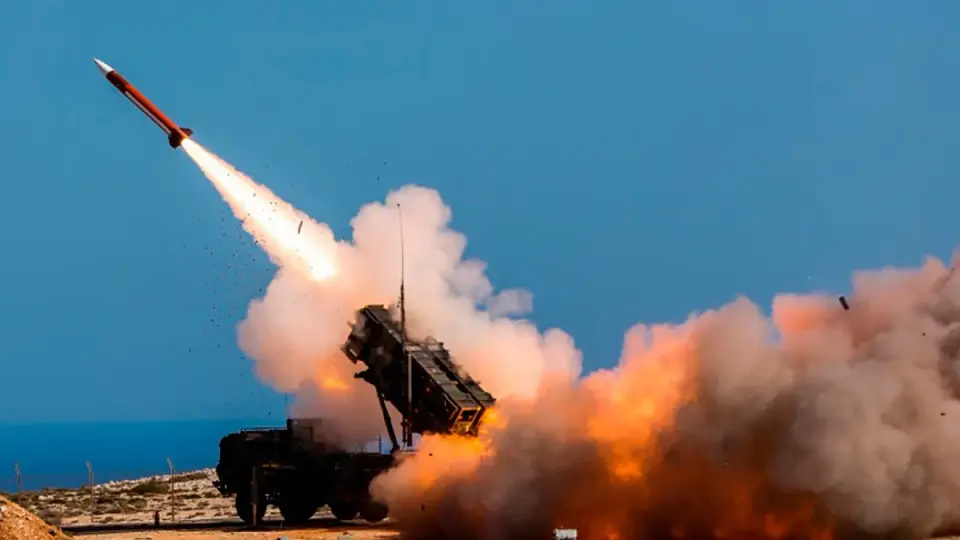
EU defense and foreign ministers met in Wicklow, Ireland, to address escalating security threats and Ukraine’s financial needs. Key issues include pressure on Greece and Spain to transfer Patriot interceptor missiles, debates over using frozen Russian assets for aid, and a new high-level defense group led by Kaja Kallas. Sweden called the current situation the most serious since WWII, while Berlin is expected to blame Russia for a drone incident at Leipzig airport.
Key points
- EU ministers discussed transferring Patriot interceptor missiles from Greece and Spain to Ukraine, with the European Commission pressuring nations holding significant stocks.
- Sweden’s foreign minister described the current security environment as the most serious since World War II, citing drone incidents in Germany.
- Berlin is expected to formally attribute a suspected drone attack on a Ukrainian cargo plane at Leipzig/Halle airport in August to Russia.
- Kaja Kallas announced a new high-level group of former political and military leaders to advise on European defense strategy amid shifting US support.
- Sweden, the Netherlands, Spain, and Poland urged the EU Commission to revisit using immobilized Russian state assets to fund Ukraine, despite previous Belgian objections.
Background
This meeting follows a summer of heightened security incidents across Europe and ongoing debates about Ukraine’s financial sustainability. Previous discussions highlighted the insufficiency of the agreed €90 billion EU loan to cover Kyiv’s needs as Russia intensifies its offensive. Additionally, former Ukrainian defense minister Mykhailo Fedorov has recently advocated for Western-backed war-tech funds to develop drone capabilities, potentially to trade for interceptor systems, reflecting broader concerns about technological warfare.
How outlets are covering it
Euronews highlights the diplomatic friction regarding Patriot missiles, noting that Greece and Spain are resisting transfers despite pressure from the European Commission and Zelenskyy. It also emphasizes the revival of the frozen assets debate, with Sweden leading efforts to overcome Belgian legal concerns. In contrast, Ukrainian Pravda focuses on Kallas’s direct appeal for interceptors nearing expiration, stressing that July and August were the deadliest months for Ukrainian civilians. Politico emphasizes the structural shift in European defense, highlighting Kallas’s new advisory group of former leaders to address the changing US presence, rather than focusing on immediate asset transfers. While Euronews notes skepticism about Russia escalating to a broader confrontation, other outlets frame the drone incidents as evidence of a more direct hybrid threat.
Why it matters
The outcome of these informal talks will determine the pace of military aid to Ukraine and the EU’s approach to financing the war through Russian assets. The establishment of a new defense advisory group signals a long-term shift toward European strategic autonomy, while the pressure on interceptor stocks highlights the immediate vulnerability of Ukrainian air defenses against Russian escalation.
What to watch
EU foreign ministers will hold informal 'Gymnich' discussions with Canadian, British, Norwegian, and Ukrainian counterparts. The European Commission is expected to present proposals for sharing risks associated with using frozen Russian assets. Additionally, the new high-level defense group is set to launch next week to provide strategic advice on European defense capabilities.
- Drones, Patriots and cash for Ukraine in the spotlight as EU ministers gather in Ireland Euronews.com
- EU to gather ‘brightest minds’ to boost defence as Russia threat grows Euronews.com
- Europe Presses Spain and Greece to Give Ukraine Air Defenses Bloomberg.com
- EU foreign policy chief urges countries to give Ukraine interceptor missiles nearing expiry Укра��нська правда
- EU chief diplomat taps ex-political, military leaders for defense group politico.eu
Want the full story? Read the original reporting
Read on Euronews.com