
EU Leaders Demand Strategic Arctic Role Amid Russian Threats
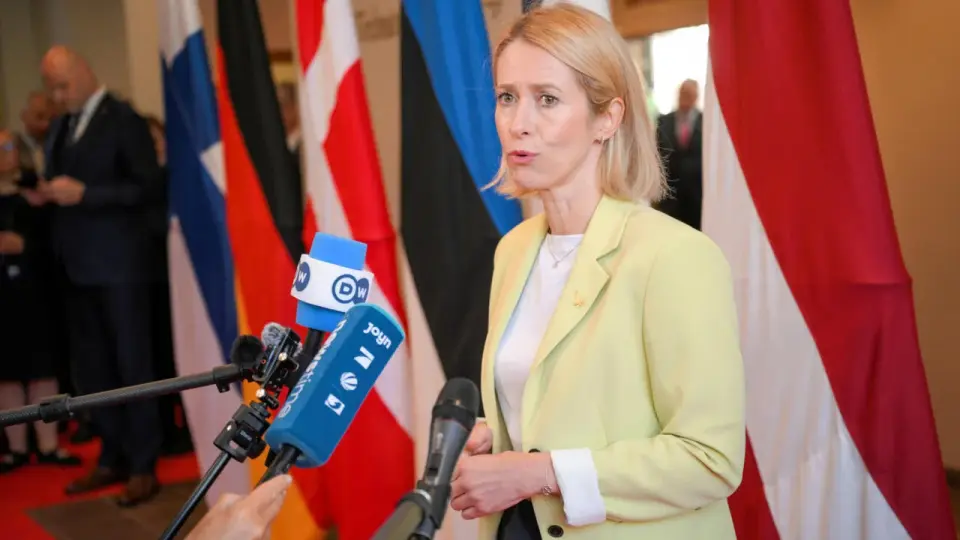
Twelve European nations met in Rovaniemi, Finland, to urge the EU to adopt a more proactive strategy in the Arctic. Leaders cited Russia’s growing military presence and hybrid activities as primary threats, while noting rising interest from the US and China. The summit emphasized the need for icebreakers and increased investment, particularly in Greenland, to counter geopolitical shifts driven by melting ice and new maritime routes.
Key points
- Twelve EU countries, including Germany, France, and Sweden, issued a joint statement calling for a stronger EU presence in the Arctic.
- Participants identified Russia as the most significant long-term threat, citing its expanded military infrastructure and hybrid activities.
- EU foreign policy chief Kaja Kallas highlighted the urgent need for icebreakers to navigate increasingly accessible Arctic waters.
- The European Commission is expected to present a new Arctic strategy within weeks, building on the 2021 policy framework.
- A 200-million-euro investment package for Greenland was announced to strengthen ties and counter US annexation claims.
Background
This summit follows a period of heightened tensions, including Russia’s warnings about NATO’s Arctic buildup and Germany’s expansion of intelligence powers to counter hybrid threats. The EU’s 2021 Arctic policy has gained renewed urgency due to climate change and shifting geopolitical dynamics.
How outlets are covering it
France 24 and Al Jazeera both emphasize the strategic importance of the Arctic, but Al Jazeera explicitly labels it a 'geopolitical hotspot' and highlights the involvement of non-Arctic EU members like Germany. France 24 focuses more on the immediate call for icebreakers and the EU’s defensive posture against Russia, while Al Jazeera notes the broader competition involving China and the US. Both sources agree on the threat posed by Russia but differ in emphasis: France 24 stresses the EU’s internal coordination, while Al Jazeera highlights the external pressures from multiple global powers.
Why it matters
The Arctic’s strategic value is increasing due to melting ice, which opens new shipping routes and access to resources. A stronger EU presence could shift the balance of power in the region, potentially reducing reliance on US security guarantees and countering Russian influence. The outcome of the upcoming EU Arctic strategy will determine how effectively the bloc can respond to these challenges.
What to watch
The European Commission is expected to release a new Arctic strategy in the coming weeks, which will guide the EU’s approach to the region. Member states will have the opportunity to influence the final document, and further investments in Greenland and Arctic infrastructure are likely to follow.
- Leaders urge EU to expand Arctic presence amid Russia 'threat' France 24
- European leaders meet as Arctic thaw opens shipping routes and Russian buildup stokes security fears AP News
- Remarks by President António Costa at the press conference following the European Arctic Summit consilium.europa.eu
- EU states to raise game as Arctic becomes strategic geopolitical frontier Al Jazeera
- EU seeks Arctic strategy amid growing power rivalry dw.com
Want the full story? Read the original reporting
Read on France 24