
Europe Rejects Russian Security Demands, Insists on Ceasefire Before Negotiations
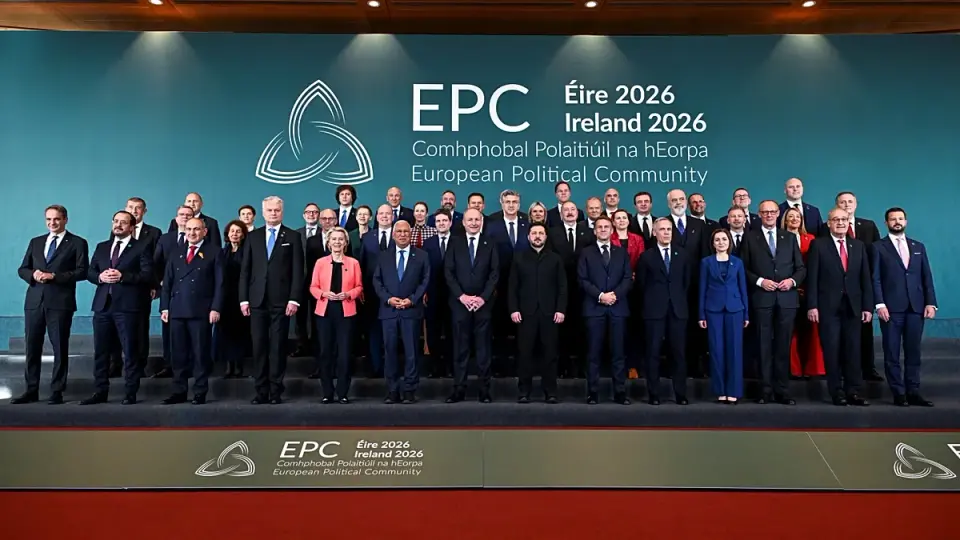
European leaders in Dublin rejected Russia’s push to renegotiate the continent’s security architecture, insisting that a ceasefire in Ukraine must precede any such discussions. While US envoys pressed Moscow to include Europeans in peace talks, Russian negotiators refused to engage with European delegations, citing their support for Ukraine. European officials warned that Moscow’s focus on security is a tactic to divert attention from the war and undermine existing treaties like the Helsinki Accords.
Key points
- Macron and Merz stated that Europe, not Russia, will define its future security architecture.
- Kaja Kallas emphasized a strict sequence: ceasefire first, then peace settlement, then security talks.
- Russian negotiator Vladimir Medinsky refused to interact with European delegates in Abu Dhabi.
- US envoys Kushner and Witkoff asked Russia to draft new security proposals with de-escalation steps.
- Estonian PM Kristen Michal called the security talks a 'trap' to roll back NATO.
Background
This dispute follows recent US-led shuttle diplomacy in Abu Dhabi, where Russia stalled on ceasefire terms by demanding a broader security deal. Earlier in November, Europe had already rejected US proposals for a security overhaul, insisting that existing treaties remain valid and that Russia is the sole violator of the current order. The current standoff highlights a transatlantic rift, as the US seeks a comprehensive deal while Europe prioritizes ending the war first.
How outlets are covering it
Euronews and The Guardian highlight the European consensus that security architecture is not negotiable until the war ends, with Kallas warning against falling into Russian 'traps.' Axios reports that the US is actively pushing for a simultaneous security deal, with Kushner and Witkoff asking Russia to propose 'symmetrical steps' for de-escalation. RTE.ie notes that while the US secured a preliminary agreement for European inclusion in talks, the Kremlin has not formally consented, with Medinsky claiming Europe offered no concrete peace proposals. The Guardian also captures the internal EU debate on representation, with Kallas asserting her mandate to lead negotiations, while others like Sweden’s Kristersson argue the focus should be on substance rather than personnel.
Why it matters
The outcome determines whether Europe can maintain its autonomous security stance or is forced into a US-brokered deal that may compromise its interests. If Russia succeeds in linking security architecture to peace talks, it could legitimize its demands to halt NATO expansion, potentially destabilizing the continent’s defense posture. Conversely, a European-led approach could preserve the integrity of existing treaties and ensure Ukraine’s security is prioritized over geopolitical concessions.
What to watch
US envoys Kushner and Witkoff are expected to meet Putin in Moscow to reiterate the request for a new security proposal and European inclusion in talks. European leaders will continue deliberating in Dublin to finalize a unified position and potentially appoint a lead negotiator. The next round of peace talks will test whether Russia accepts a multilateral format or continues to exclude European representatives.
- Europe tells Russia: Our security architecture is for us to decide Euronews.com
- Scoop: U.S. asks Russia to propose new security agreement with Europe Axios
- Leaders meet in Dublin amid search for lead EU negotiator for peace talks with Russia - Europe live The Guardian
- EU's Kallas: Russia 'pretending' to negotiate on Ukraine while 'bombing civilians' Reuters
- Live: Europe must not fall into Russian 'traps' - Kallas RTE.ie
Want the full story? Read the original reporting
Read on Euronews.com