
Europe scrambles to pick a face for Putin as US mediation falters
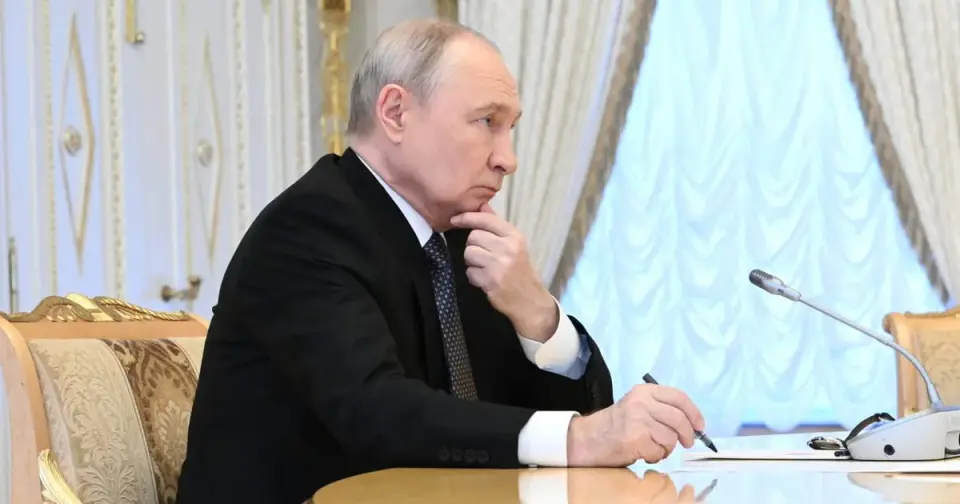
European leaders are urgently debating who should represent the bloc in direct talks with Vladimir Putin, as U.S. mediation appears to favor Moscow. While figures like Finnish President Alexander Stubb and European Council President António Costa are being considered, internal divisions persist over whether to prioritize institutional representation or pragmatic access to the Kremlin.
Key points
- U.S. envoy Steve Witkoff is in Russia to propose a three-way summit with Trump and Zelenskyy, but Europe fears being sidelined.
- Czech President Petr Pavel argues Putin ignores EU institutions, necessitating a specific individual or small group to negotiate on Europe's behalf.
- Finnish President Alexander Stubb is a leading candidate due to his relationship with Trump and Finland’s historical experience with Russia.
- European Council President António Costa declined to speak with Putin at a recent summit, citing a need for a broader mandate first.
- The EU insists it is already involved via senior aides, but critics argue this lacks the political weight needed for a major deal.
Background
This debate emerges as the war enters its fifth year and U.S. support appears to wane. Recent tensions include Trump’s diesel deal with Russia, which Zelenskyy criticized, and a broader European push to fund Ukraine through a €90bn loan and 21 rounds of sanctions. Europe has spent €236bn supporting Ukraine since 2022, compared to €115bn from the U.S., but fears remain that domestic political shifts, particularly in France, could fragment this support.
How outlets are covering it
POLITICO highlights the internal EU struggle to choose a negotiator, noting that while von der Leyen and Kallas are prominent, some diplomats view them as too aligned with Ukraine’s position to be neutral brokers. The Guardian emphasizes the financial and political fragility of European support, warning that far-right gains in upcoming elections could undermine aid. Meduza, citing the Financial Times, suggests Europe might offer a trade-off: ceding the Donbas to Russia in exchange for NATO membership for Ukraine. While POLITICO focuses on the 'who' of the negotiation, The Guardian focuses on the 'how much' Europe can sustain, and Meduza focuses on the potential 'what' of the deal.
Why it matters
If Europe fails to establish a direct, credible channel with Moscow, it risks being excluded from peace terms that could compromise its security. A fragmented European response could allow Russia to gain diplomatic advantages it has not achieved on the battlefield, potentially leading to a lopsided settlement that leaves Ukraine vulnerable and Europe exposed.
What to watch
Witkoff is expected to debrief European and Ukrainian leaders after his meeting with Putin. EU leaders will likely revisit the envoy question at a December summit, where they must also address a €70bn funding gap for Ukraine in 2027. The outcome of upcoming elections in France, Spain, and Italy will determine whether Europe can maintain a unified stance or faces internal fragmentation.
- Talking to Putin: Europe seeks a negotiator-in-chief for Ukraine POLITICO.eu
- EU discusses envoy for possible talks with Putin, Finnish president among candidates, Politico says Yahoo
- Europe stands by Ukraine – but how long can that last? The Guardian
- Mezhuyev: Europe May Make Concessions Over Ukraine Военное дело
- Europe is preparing for direct talks with Putin, FT reports. One possible proposal: Russia gets Donbas, Ukraine gets NATO membership. Meduza
Want the full story? Read the original reporting
Read on POLITICO.eu