
Finland rejects Russian demand to exit NATO as peace talks expand to European security
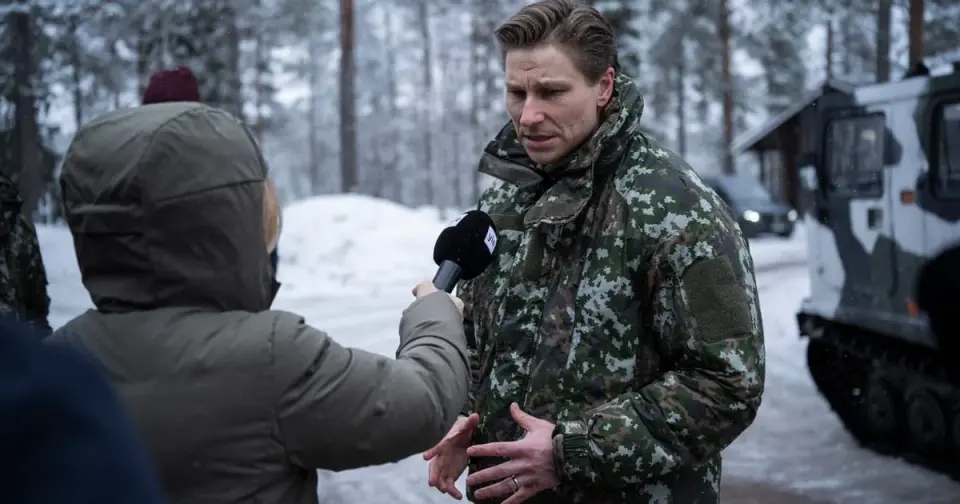
Finland has firmly rejected reported Russian demands to leave NATO as part of ongoing peace negotiations for the Ukraine war. Defense Minister Antti Häkkänen stated that alliance membership is not subject to negotiation, calling the proposal 'outrageous.' These demands, reported by German media, emerged during talks in Abu Dhabi and include broader restrictions on NATO bases in the Baltics and Ukraine’s permanent non-alignment. While Moscow offered to withdraw nuclear weapons from Belarus, European leaders and Ukraine view the moves as an attempt to reshape European security architecture rather than end the conflict.
Key points
- Finland’s Defense Minister Antti Häkkänen declared that NATO membership is not negotiable, responding to reports that Russia demanded Finland leave the alliance.
- German newspaper Bild reported that Russian negotiators in Abu Dhabi proposed that Moscow retain occupied Ukrainian territories and gain control of the Donbas region.
- The reported Russian plan includes demilitarizing Ukrainian ports, removing NATO bases from the Baltic states, and requiring Ukraine to remain permanently outside military alliances.
- In exchange for these security concessions, Russia reportedly proposed withdrawing nuclear weapons from Belarus and refraining from stationing intermediate-range missiles there.
- Ukrainian President Volodymyr Zelenskyy warned that a new European security framework proposed by the US could be dangerous, stating that Russia cannot make decisions for NATO member societies.
Background
Finland joined NATO in 2023, abandoning decades of military nonalignment following Russia’s full-scale invasion of Ukraine. Recent weeks have seen European leaders join US-brokered peace talks in Abu Dhabi to ensure their security interests are represented, despite Russian objections. Previous coverage noted that European officials view Moscow’s focus on broader security architecture as a tactic to divert attention from the war and undermine existing treaties, insisting that a ceasefire must precede any such discussions.
How outlets are covering it
While Politico and Yle highlight Finland’s direct rejection of the NATO exit demand, The New York Times frames the situation as a revival of Russia’s 2022 demands, noting that Moscow has sought to pull NATO troops back to 1997 positions. Bloomberg emphasizes that these demands test the negotiating resolve of the US and Europe. Yle notes that Finnish Foreign Minister Elina Valtonen expressed little optimism about the talks, suggesting Russia is not negotiating in good faith but seeking to broaden its demands to include changes to European security arrangements. Zelenskyy’s comments, reported by Politico, add a layer of concern regarding US-proposed security frameworks, warning that such moves could lead to escalations.
Why it matters
The reported Russian demands signal an attempt to expand the scope of peace talks beyond the Ukraine conflict to reshape the broader European security order. This challenges the sovereignty of NATO members like Finland and the Baltic states, potentially destabilizing the post-Cold War security architecture. If successful, such demands could weaken NATO’s collective defense posture and embolden further Russian aggression, making the resolution of the Ukraine war contingent on significant concessions from European allies.
What to watch
US envoys Steve Witkoff and Jared Kushner are expected to continue mediating between Russia, Ukraine, and European partners. The next round of negotiations will likely focus on whether European security arrangements can be discussed alongside territorial disputes, with European leaders insisting on a ceasefire before broader talks. Finland and other NATO members will likely maintain their stance that alliance membership is non-negotiable, while Russia may continue to press for concessions in exchange for withdrawing nuclear weapons from Belarus.
- Finland rejects reported Russian demand to leave NATO as part of peace talks POLITICO.eu
- Russia Revives Demand That NATO Retrench to Secure Ukraine Deal The New York Times
- Russian Demands of NATO Pullback Are Non-Starter, Finland Says Bloomberg
- Russian diplomat says Moscow could conclude non-aggression pacts with NATO member states Reuters
- Russia demands Finland leave Nato in Ukraine peace talks, Bild reports Yle
Want the full story? Read the original reporting
Read on POLITICO.eu