
Gulf States Question U.S. Security Guarantees as Trump's Iran Diplomacy Stalls
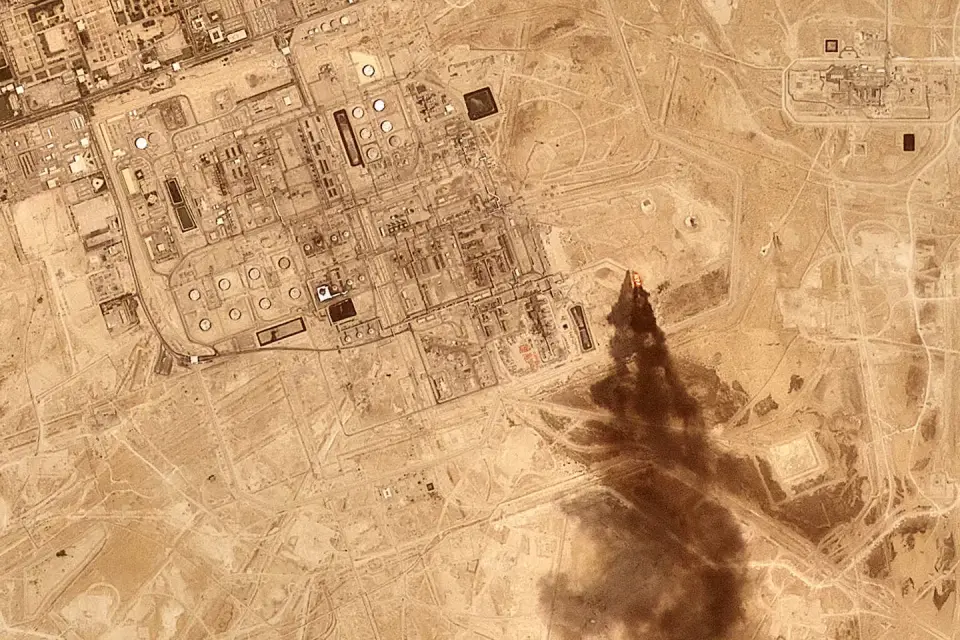
U.S. allies in the Persian Gulf are growing increasingly frustrated with President Donald Trump's handling of the conflict with Iran. Officials from Saudi Arabia, the UAE, Qatar, Kuwait, and Bahrain describe Washington's approach as erratic and ineffective, leading some to question the utility of hosting large U.S. military bases. While the Gulf states remain dependent on U.S. arms and intelligence, they are actively diversifying security partnerships, including a recent mutual defense pact with Turkey and Pakistan, to mitigate risks associated with the ongoing war and the closure of the Strait of Hormuz.
Key points
- Gulf leaders express peak anger at the U.S. for initiating the conflict with Iran and failing to secure a lasting peace, with some questioning the value of hosting U.S. military installations.
- The U.S. administration maintains that it has strong relationships with Gulf partners and that Iran is more isolated than ever, but critics argue Trump's policy is unpredictable and leaves allies exposed to retaliation.
- Saudi Arabia, Turkey, and Pakistan signed a mutual defense agreement in August 2026, which analysts view as a signal to Washington that the Gulf is diversifying its security options beyond the U.S.
- The conflict has disrupted regional economic activity, including the postponement or rescheduling of major events like the Future Investment Initiative in Saudi Arabia, while Iran continues to target infrastructure in Kuwait and the UAE.
- The U.S. has struggled to reopen the Strait of Hormuz, which Iran closed in early 2026, forcing Gulf states to rely on Red Sea ports for oil exports and increasing pressure on Washington to resolve the blockade.
Background
The U.S. and Israel launched a military campaign against Iran in February 2026, known as Operation Epic Fury. Prior to the conflict, the U.S. had signed a Memorandum of Understanding with Iran in June 2025, which Gulf states criticized for failing to address ballistic missile arsenals and proxy support. In August 2026, Trump halted a planned strike on Iran after Gulf allies, including Qatar and Saudi Arabia, urged restraint and cited progress in negotiations to reopen the Strait of Hormuz. The current frustration stems from the prolonged nature of the conflict and the perceived lack of a clear strategy from Washington.
How outlets are covering it
The Washington Post and UA.NEWS report that Gulf governments are united in their aggravation with the Trump administration, citing inconsistent threats and withdrawals as evidence of erratic diplomacy. A senior European official described the Saudi-Turkey-Pakistan defense pact as a signal that the U.S. is 'not enough' for regional security. Conversely, a White House official insisted that Trump has 'extraordinary relationships' with Gulf partners and that Iran is more isolated due to its actions. Morocco World News provides a historical perspective, arguing that the U.S. security guarantee has always been conditional on oil interests rather than protection of the Gulf states themselves, noting that the 2026 conflict exposed the limits of this 'umbrella.' Crypto Briefing highlights market skepticism, noting that the probability of the U.S. ending the Iranian blockade by August 31, 2026, dropped to 18.5%, reflecting doubts about diplomatic progress.
Why it matters
The erosion of trust between the U.S. and its Gulf allies could reshape the security architecture of the Middle East. If the U.S. is perceived as unable to guarantee regional stability, Gulf states may accelerate the diversification of their defense partnerships, potentially reducing U.S. influence in the region. The ongoing conflict and the closure of the Strait of Hormuz have significant economic implications, affecting global oil supplies and regional trade. The failure to resolve the conflict quickly may lead to further instability, with Iran continuing to target infrastructure in Kuwait, the UAE, and Saudi Arabia, while the U.S. struggles to maintain its role as the primary security guarantor for the region.
What to watch
The U.S. is expected to continue diplomatic efforts to reopen the Strait of Hormuz and end the conflict with Iran, though market participants remain skeptical of a quick resolution. Gulf states may further explore alternative security arrangements, potentially involving Egypt or other regional powers, to reduce their dependence on the U.S. The economic impact of the conflict will likely persist, with major events and business activities in the region remaining in limbo until a stable peace is achieved. The White House will likely continue to emphasize its strong relationships with Gulf partners while pressing for a diplomatic solution to the Iran crisis.
- Frustration with Trump grows among U.S.’s Persian Gulf allies, officials say The Washington Post
- War in the Gulf has weakened two of America’s Arab allies The Economist
- Naked Under the American Umbrella Morocco World News
- U.S. Allies Are Dissatisfied with Trump's Policy Toward Iran — The Washington Post UA.NEWS
- Gulf allies frustrated with Trump’s Iran diplomacy amid ongoing tensions Crypto Briefing
Want the full story? Read the original reporting
Read on The Washington Post