
Hegseth’s Cebu Visit Tests US-Asia Ties Amid South China Sea Tensions
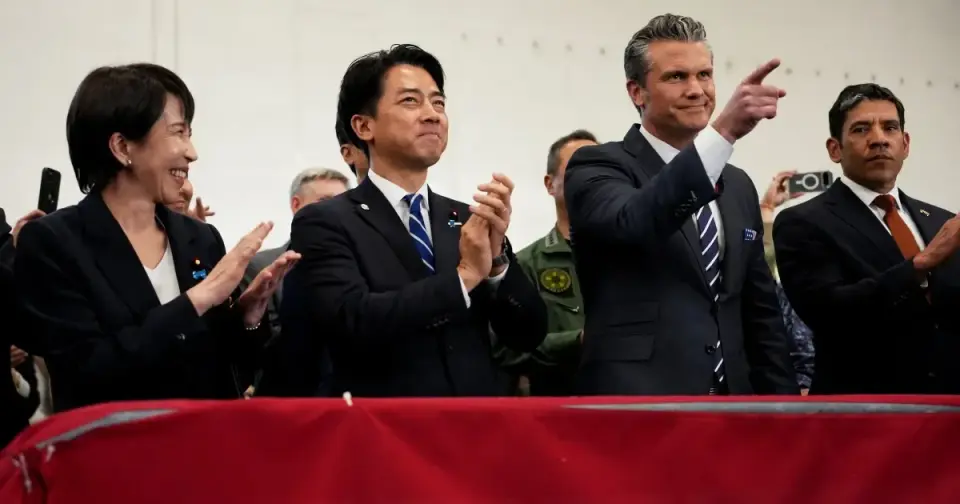
US Secretary of Defense Pete Hegseth is attending the ASEAN Defense Ministers’ Meeting-Plus in Cebu, Philippines, to reassure regional partners of Washington’s commitment following the US-Israel war on Iran. The summit, chaired by the Philippines, will address the South China Sea dispute, maritime security, and defense modernization, while China’s participation remains unconfirmed.
Key points
- Hegseth will hold bilateral and multilateral meetings with ASEAN members and dialogue partners, including India, Japan, and South Korea, to strengthen deterrence and burden-sharing.
- The Philippines, as the 2026 ASEAN chair, is prioritizing the South China Sea dispute and hopes to finalize a code of conduct with China to manage maritime conflicts.
- China’s Defense Minister Dong Jun has not confirmed attendance, though analysts suggest a potential meeting with Hegseth could lay groundwork for upcoming Trump-Xi talks.
- The US has faced scrutiny in Asia for shifting military assets to the Middle East and delaying arms sales to Taiwan, prompting concerns about Washington’s regional focus.
- The meetings coincide with the 50th anniversary of the Treaty of Amity and Cooperation in Southeast Asia, emphasizing dialogue and non-interference.
Background
The US-Israel war on Iran has strained US-Asia relations, with Washington reallocating military assets from South Korea and Japan to the Middle East. Trump’s mixed signals on Taiwan and delayed arms sales have raised concerns about US commitment to the region. The Philippines’ 2026 ASEAN chairship aims to balance regional security with diplomatic engagement, particularly with China.
How outlets are covering it
Al Jazeera and the US Department of War emphasize Hegseth’s role in reassuring ASEAN of US commitment and strengthening alliances. China Daily criticizes the meeting as a potential bloc-building exercise, arguing that Japan and the Philippines are hijacking ASEAN’s centrality to pursue exclusionary security agendas. SunStar Publishing highlights the Philippines’ focus on practical defense cooperation and dialogue, noting that China’s unconfirmed attendance and the handover of chairship to Singapore are key developments. Analysts like William Yang and Bonnie Glaser stress the South China Sea as a central issue, while Ja Ian Chong notes the challenge of balancing US strategic interests with regional stability.
Why it matters
The summit tests the resilience of US-Asia ties amid geopolitical shifts, with the South China Sea dispute and China’s potential participation shaping regional security dynamics. Hegseth’s actions will signal whether the US remains committed to the Indo-Pacific or is prioritizing other conflicts, influencing future alliances and crisis management in the region.
What to watch
Hegseth’s statements and meetings will set the tone for US-Asia relations, while China’s decision to attend or not could impact US-China military communications. The Philippines will hand over the ASEAN chairship to Singapore on October 29, and the outcome documents from the summit may shape future defense cooperation and maritime dispute resolution.
- Hegseth heads to Manila to shore up US ties with Asia-Pacific partners Al Jazeera
- Secretary of War Pete Hegseth to Visit the Philippines and Participate in the ASEAN Defens U.S. Department of War (.gov)
- ASEAN's security not an alliance road show: China Daily editorial China Daily
- Defense modernization, regional security take center stage in Cebu talks SunStar Publishing Inc.
- Hegseth Likely to Face Questions on US Role in Indo-Pacific at ASEAN Summit U.S. News & World Report
Want the full story? Read the original reporting
Read on Al Jazeera