
Interlinked Ukraine and Iran Conflicts Signal Emergence of a New Global War
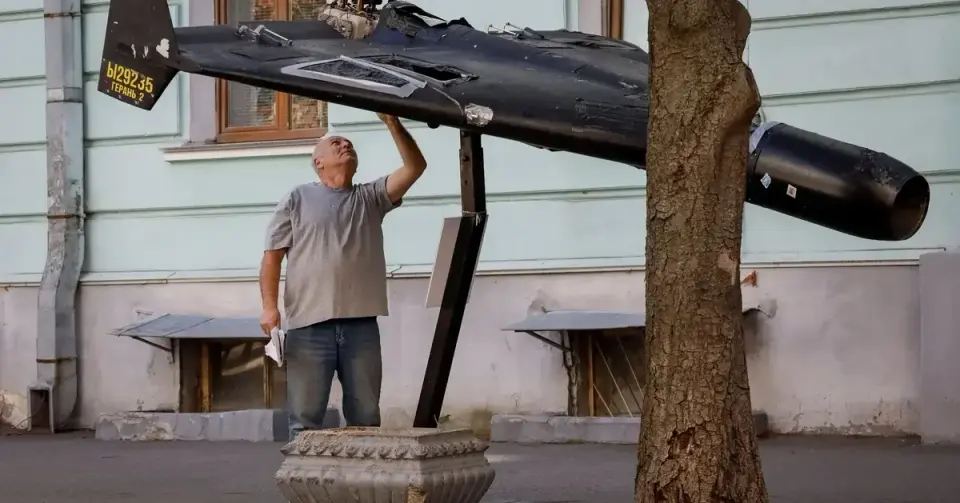
Analysts argue that the ongoing wars in Ukraine and Iran have evolved into a single, interconnected global conflict. While the battles differ operationally, they share a political logic of 'managed instability' where ceasefires fail to resolve core issues. Russia and Iran now exchange military technology and intelligence, while Western nations face strained defense stocks and economic pressures. Experts warn this convergence could reshape the global order, potentially leading to a broader world war that lacks a traditional declaration but operates through continuous, multi-front coercion.
Key points
- The conflicts in Ukraine and Iran are no longer isolated; they interact materially through shared belligerents and resource competition.
- Both wars exhibit 'managed instability,' where fighting continues despite partial agreements, as key actors find ongoing conflict more advantageous than settlement.
- Russia is providing Iran with targeting support and technology, while Iran supplies Russia with drones and equipment for the Ukrainian front.
- Western defense capabilities are being stretched thin, with shared missile interceptor stocks and depleted ammunition reserves affecting both theaters.
- Economic factors, including high government debt and supply chain disruptions, may limit the West's ability to sustain prolonged multi-front engagements.
Background
This development follows months of escalating tensions in the Middle East and Eastern Europe. Previous coverage noted that the Iran conflict was already driving inflation and energy price spikes, with oil futures rising near $89 a barrel due to Strait of Hormuz disruptions. The current analysis builds on these economic strains, suggesting that the military entanglement between the two wars is now exacerbating broader financial and industrial vulnerabilities in Western democracies.
How outlets are covering it
Semafor and World Politics Review emphasize the structural convergence of the two wars, arguing that they now constitute a 'new world war' due to shared belligerents and interconnected escalation dynamics. War on the Rocks focuses on the concept of 'managed instability,' highlighting how both conflicts have shifted from seeking decisive victory to leveraging prolonged coercion. ProtoThema adds a historical dimension, comparing the current situation to the pre-1939 period, where peripheral conflicts gradually merged into a global war. It also stresses the West's internal divisions and industrial shortcomings, which may hinder a unified response. All sources agree that the traditional model of isolated regional conflicts is no longer applicable, but they differ in emphasis: some focus on the military-technical links, while others highlight the economic and political incentives that sustain the status quo.
Why it matters
The convergence of these conflicts threatens to destabilize the global order by creating a persistent state of war that is difficult to resolve through traditional diplomacy. It strains Western military and economic resources, potentially leading to higher inflation and reduced capacity for other global challenges. Furthermore, the operational cooperation between non-Western powers like Russia, Iran, North Korea, and China could shift the balance of power, making future conflicts more complex and dangerous.
What to watch
Analysts suggest that breaking the cycle of 'managed instability' requires external powers to tie their support to reciprocal de-escalation steps. However, without a clear strategic advantage for any side, incentives for settlement remain low. The situation may continue to evolve through intermittent strikes and ceasefires, with the potential for further escalation if key actors decide that the costs of settlement outweigh the benefits of continued conflict.
- Experts warn of worldwide war amid increasingly intertwined conflicts Semafor
- Managed Instability: Why the Wars Against Iran and Ukraine Can Go On and On and On… War on the Rocks
- Open fronts from Ukraine to the Middle East: How close are we to a Third World War? ProtoThema English
- It’s Time to Talk About a New World War worldpoliticsreview.com
- Global Tensions Surge: Is World War III Already Underway? Mwakilishi.com
Want the full story? Read the original reporting
Read on Semafor