
Iran and US narrow Hormuz timeline to 48 hours amid military brinkmanship
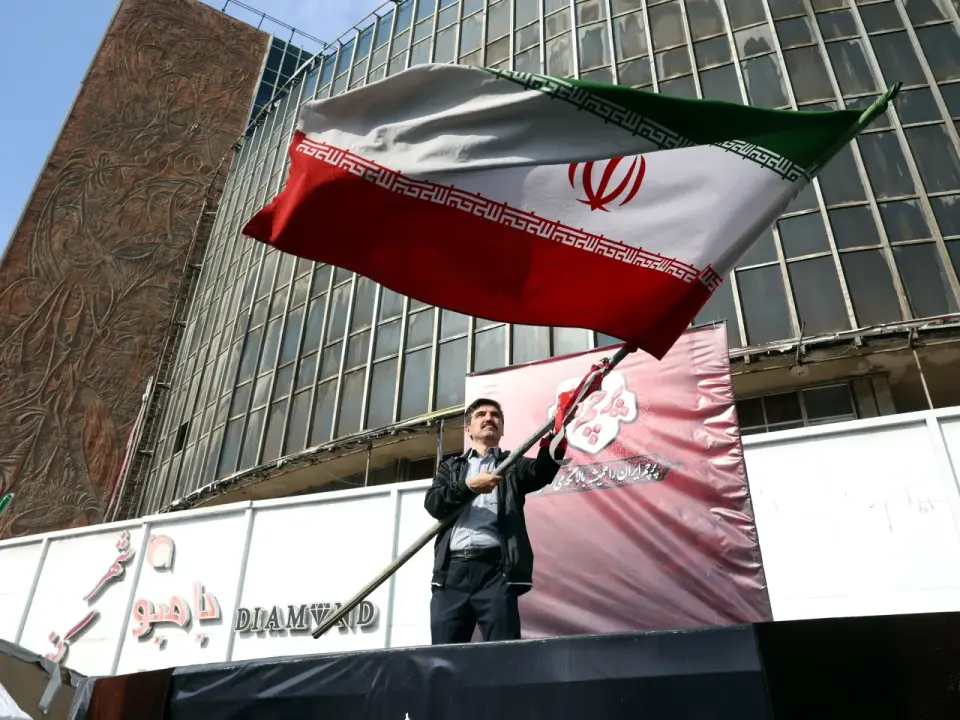
Qatari-mediated talks between Iran and the United States have shortened the proposed timeline for reopening the Strait of Hormuz from seven days to 48 hours, contingent on Washington meeting specific demands. While US President Donald Trump described the negotiations as 'fine' but criticized Iranian reliability, Tehran has simultaneously signaled maximum military readiness. Iranian leaders have ordered commanders to prepare for immediate, unrestricted retaliation against US and Israeli assets, including civilian infrastructure and seabed cables, should conflict resume. The diplomatic opening is being tested by ongoing US naval blockades and economic pressure, which have crippled Iran’s oil exports and driven inflation near 90 percent. Analysts note that while sequencing has improved, fundamental disagreements over nuclear concessions and sanctions relief remain unresolved, leaving the situation volatile ahead of the US midterm elections.
Key points
- Iran has reduced its proposed timeline for reopening the Strait of Hormuz from seven days to two days, requiring US actions on the first day and shipping resumption on the second.
- US President Donald Trump stated that talks are progressing but called Iranian authorities 'not reliable,' while renewing threats to strike nuclear facilities like Pickaxe Mountain.
- Iranian Supreme Leader Mojtaba Khamenei ordered military commanders to prepare for immediate, unrestricted responses to any attack, targeting both tangible and intangible US and Israeli assets.
- The US naval blockade has halted oil exports since August 25, contributing to 90 percent inflation in Iran, while Tehran demands sanctions relief, asset unfreezing, and recognition of an Iran-Oman shipping arrangement.
- Iranian officials have identified 14 critical electricity sectors for defensive protection, anticipating potential US strikes on the power grid, while maintaining diplomatic channels through Qatar and other regional mediators.
Background
This development follows months of conflict between the US, Israel, and Iran, which began with joint strikes on February 28. Previous diplomatic efforts, including a June memorandum of understanding, failed to prevent escalation. The current talks occur amid a broader regional security crisis, including Houthi attacks on shipping and a US naval blockade involving 17 warships. Earlier in October, Iran’s president dismissed previous talks as 'meaningless' due to sanctions, but recent Qatari mediation has introduced a new sequencing framework. The US has also intensified 'Operation Economic Outcast,' targeting overland trade and aviation, while Iran has appointed a sanctioned missile expert as defense minister to bolster its military posture.
How outlets are covering it
Al Jazeera emphasizes the dual nature of the current situation, highlighting both the diplomatic opening via shortened Hormuz timelines and the simultaneous hardening of military postures. It notes that Iran is seeking to make any future attack too costly for Washington to consider. Investing.com focuses on the economic and market implications, detailing the specific 48-hour sequencing proposal and the impact on oil prices, while noting that no direct US-Iran talks are planned, only consultations with mediators. Le Monde highlights the internal Iranian preparations for war, citing President Masoud Pezeshkian’s orders to executive agencies to maintain readiness and reduce costs, and notes consultations with Saudi Arabia, Pakistan, and Turkey under the Mecca Defense Pact. While all sources agree on the diplomatic engagement, Al Jazeera and Le Monde stress the military readiness and threat of escalation, whereas Investing.com frames the issue primarily through the lens of energy security and market volatility.
Why it matters
The resolution of the Strait of Hormuz blockade is critical for global energy supplies, with Brent oil prices rising above $113 per barrel. A failure to reach a deal could trigger a new wave of military conflict, potentially targeting civilian infrastructure and regional seabed cables. The outcome will also influence the US midterm elections, as Trump has suggested potential strikes could occur after November 3. For Iran, the economic pressure from the blockade and sanctions is severe, with inflation nearing 90 percent, making any diplomatic breakthrough essential for economic stability. The situation also tests the effectiveness of regional mediation efforts by Qatar, Pakistan, and other Gulf states in preventing a wider regional war.
What to watch
The next 48 hours are critical to test the new sequencing proposal. Iran expects the US to lift the naval blockade and issue sanctions waivers on the first day, with shipping resuming on the second. If these conditions are not met, Iranian officials have indicated that negotiations will not advance, and the letter from Vice President JD Vance may go unanswered. Military commanders have been ordered to deploy missiles and drones from underground storage sites, signaling immediate readiness for conflict. The US has not yet decided on fresh strikes, but Trump has hinted at potential actions after the midterm elections. The coming days will determine whether the diplomatic opening can translate into a lasting ceasefire or if the situation will escalate into renewed hostilities.
- Iran and US explore diplomacy amid rising threats of war Al Jazeera
- Iran war live: US response awaited on new proposal to reopen Hormuz: Tehran Al Jazeera
- Iran’s top diplomat hopes US shows ‘rationality,’ and other Mideast news The Hill
- Iran offers 48-hour Hormuz reopening plan as Trump signals progress in talks Investing.com
- Iran braces for possible new conflict with US and Israel despite diplomatic talks Le Monde.fr
Want the full story? Read the original reporting
Read on Al Jazeera