
Iran Directs Houthi Advance on Red Sea Ports as Saudi Pipeline Suffers Attacks
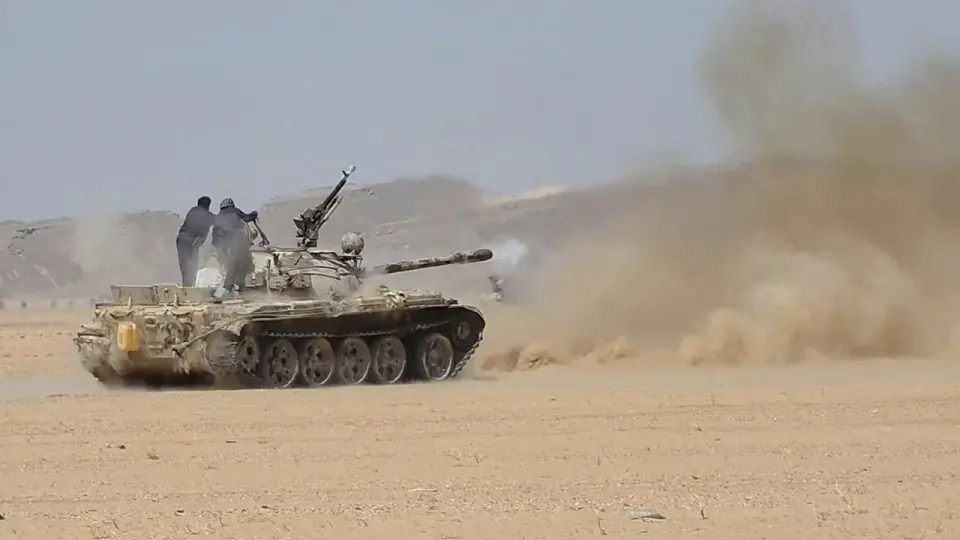
Iranian military officials are actively directing Houthi forces to capture key Red Sea ports and attack Saudi infrastructure, according to multiple sources. This escalation has led to the seizure of the port of Mokha and threats to the Bab el-Mandeb Strait. Simultaneously, Saudi Arabia’s critical East-West Pipeline was shut down after sustaining multiple attacks, causing injuries and smoke visible in satellite imagery. The U.S. has responded by redirecting 99 commercial vessels to enforce a blockade on Iran, while Saudi Crown Prince Mohammed bin Salman has urged President Trump to take direct military action against the Houthis. The conflict has displaced 46,000 people in Yemen in just one week and pushed Saudi crude oil supplies to a 30-year low.
Key points
- Iranian IRGC officers are reportedly on the ground in Yemen, guiding Houthi advances to close the Bab el-Mandeb Strait and attack Saudi targets.
- Saudi Arabia’s East-West Pipeline was shut down as a precaution after multiple attacks, with satellite imagery confirming smoke rising from the facility near Medina.
- The U.S. State Department announced rewards of up to $10 million for information on senior al-Qaeda leaders believed to be using Iran as a safe haven.
- CENTCOM reported redirecting 99 commercial vessels to enforce the U.S. blockade against Iran, citing the USS Boxer Amphibious Ready Group.
- Saudi Arabia’s crude oil supply dropped to 6 million barrels per day in August, the lowest level in over 30 years, according to the International Energy Agency.
- At least 46,000 people have been displaced in Yemen in one week due to the Houthi offensive, with the UN warning of a 'more dangerous phase' in the conflict.
Background
This escalation follows months of rising tensions in the Red Sea corridor. In August 2026, Saudi Arabia was weighing a ground offensive to retake the Red Sea coast from the Houthis, who had launched attacks on ships and Saudi targets. Previous incidents included strikes on the Mocha port and an Aramco refinery, as well as missile and drone attacks on military sites in Hadramout and Marib. These events threatened the 2022 truce and prompted Saudi Arabia to forge a Red Sea shipping alliance and expand security ties with Pakistan and Turkiye.
Why it matters
The direct involvement of Iranian military officers in the Yemeni conflict signals a significant escalation in the regional war, potentially drawing Saudi Arabia into a broader ground conflict. The disruption of the East-West Pipeline and the blockade of Iranian oil exports are driving global oil prices to three-month highs, threatening energy security worldwide. The humanitarian crisis in Yemen, with tens of thousands displaced, highlights the severe human cost of the conflict. Furthermore, the U.S. rewards for al-Qaeda leaders and the military blockade indicate a sustained strategy to pressure Iran financially and militarily, with potential long-term implications for global trade routes and Middle Eastern stability.
What to watch
The BRICS summit in New Delhi, featuring leaders from Iran, Russia, and China, will likely address the escalating tensions and maritime security concerns. The U.S. blockade and military operations in the region are expected to continue, with CENTCOM monitoring compliance. Saudi Arabia may proceed with military action against the Houthis if diplomatic efforts fail, while the humanitarian situation in Yemen will require urgent international attention and access for aid workers. Oil markets will remain volatile as traders assess the risk of further disruptions to global energy supplies.
Want the full story? Read the original reporting
Read on Fox News